Selected Work
A selection of work organized by photographic format, each with its own distinct visual character—from the detail and depth of larger formats to the immediacy and texture of smaller ones. The final two selections move beyond format, bringing together more creative and abstract work.
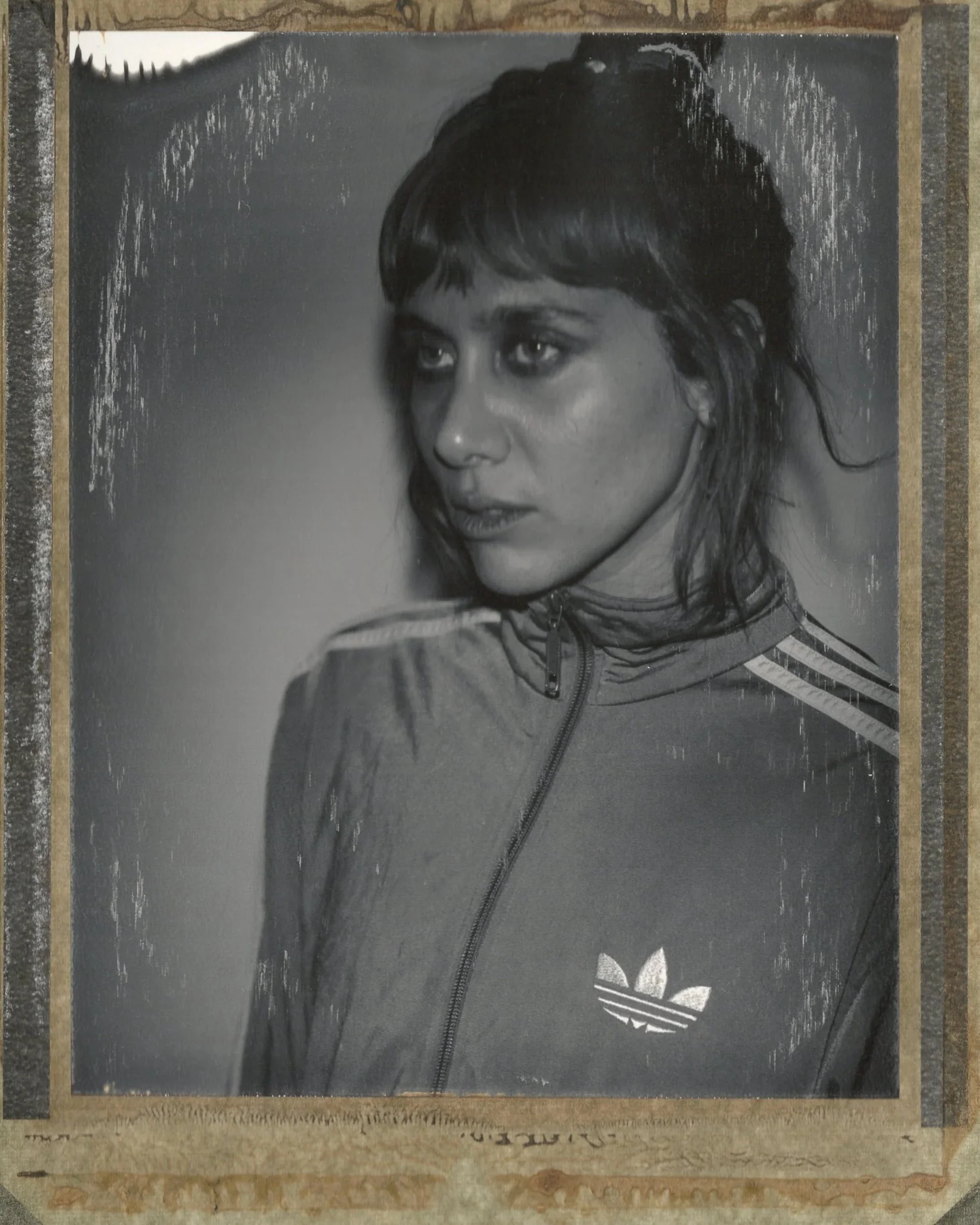
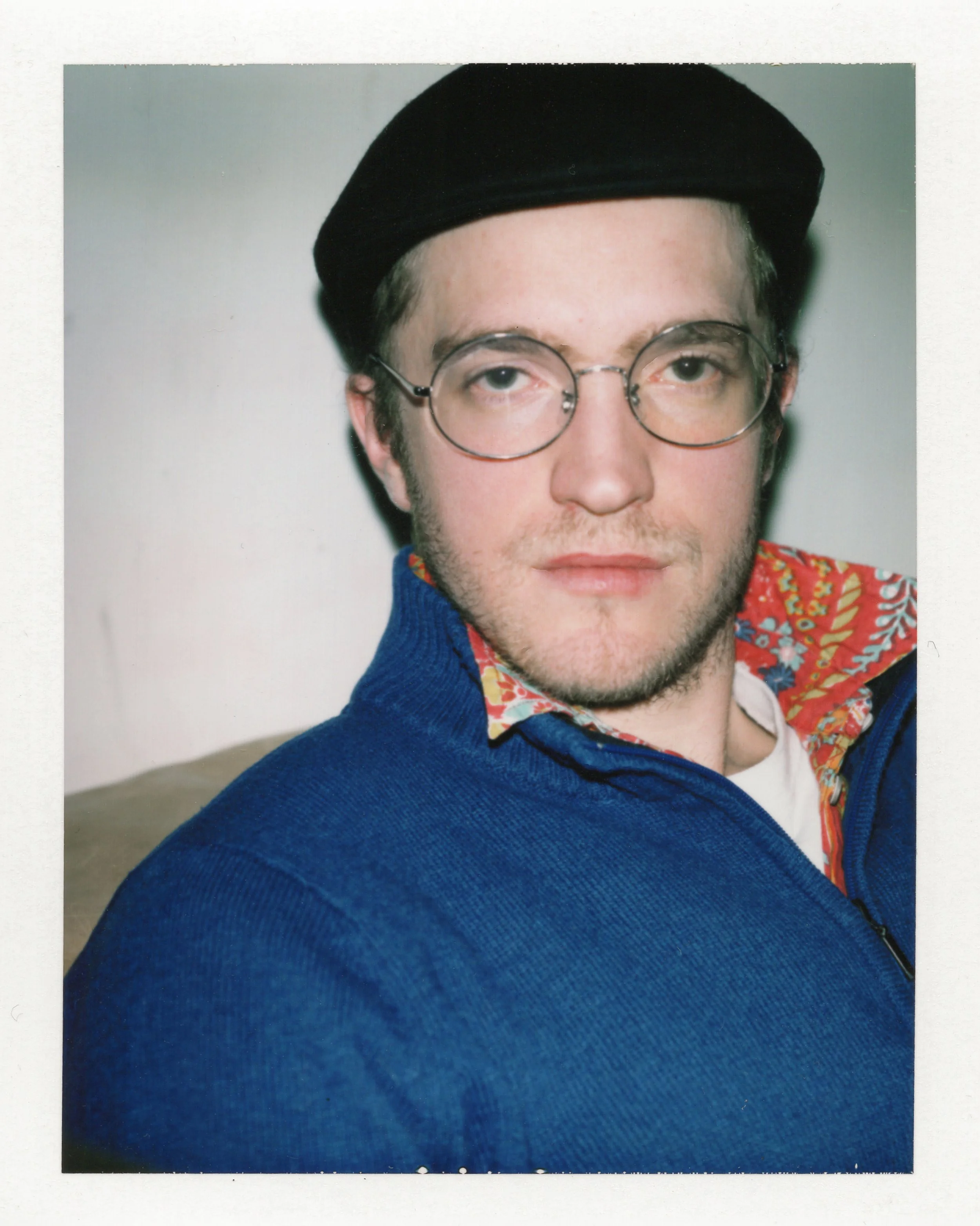
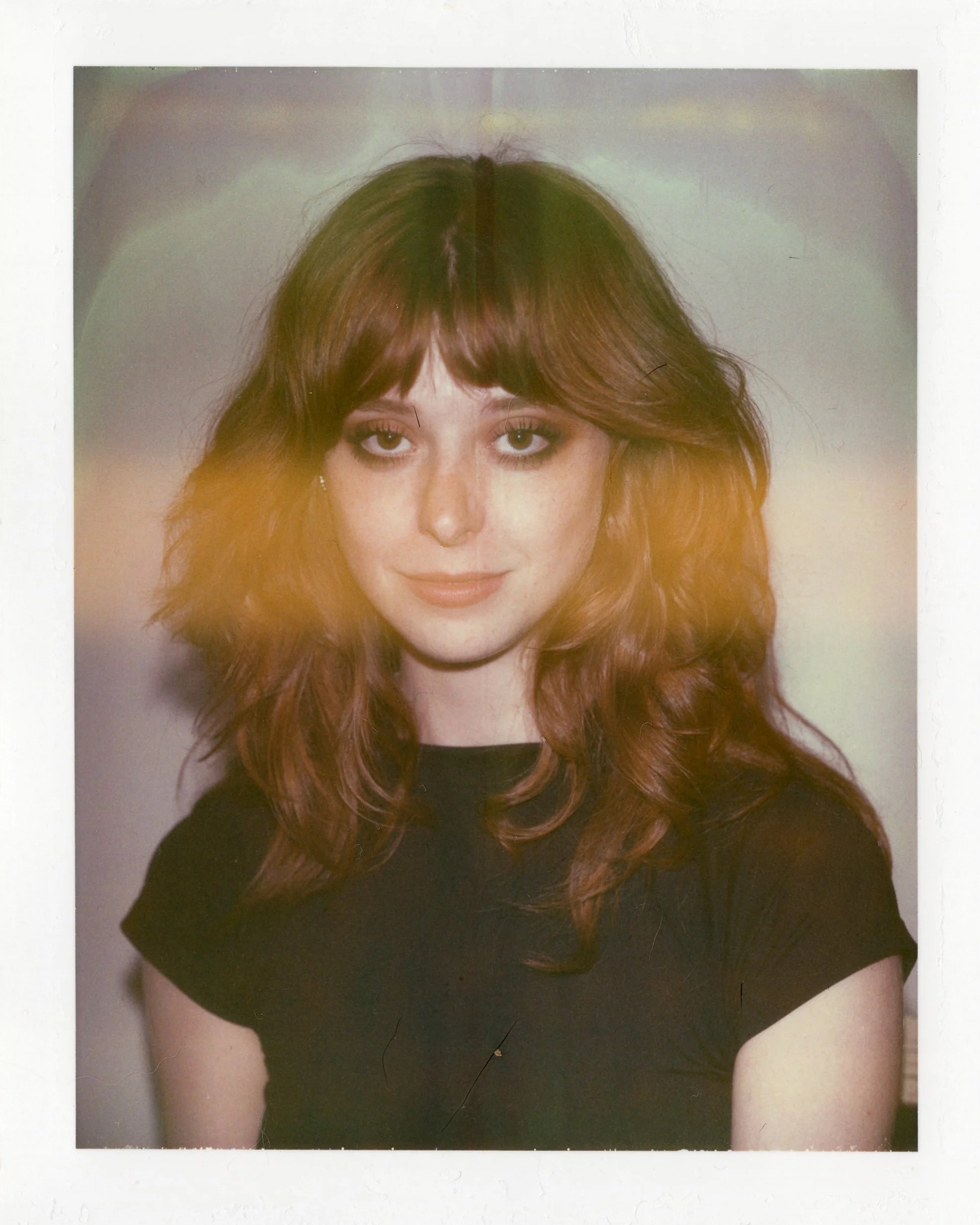
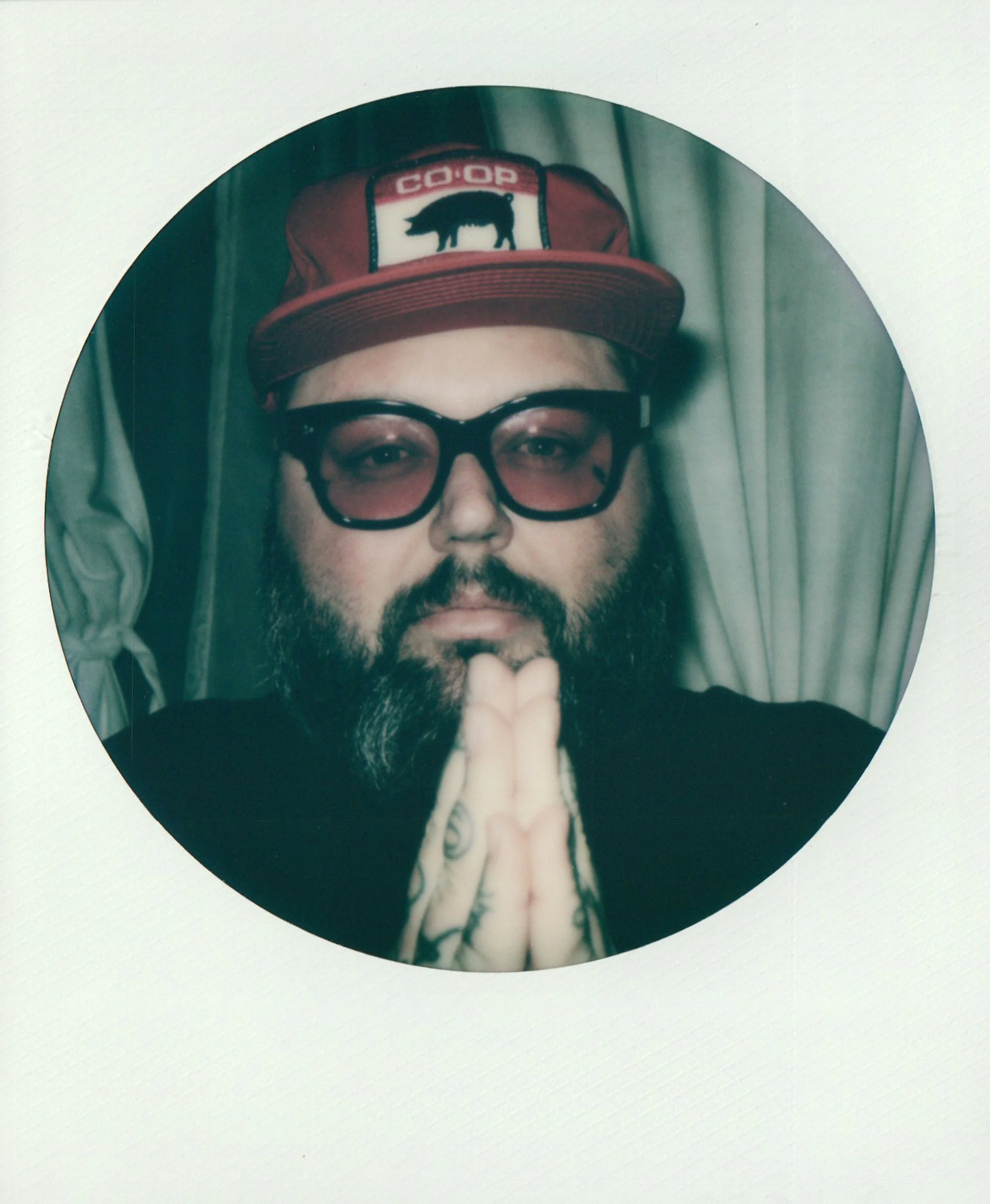
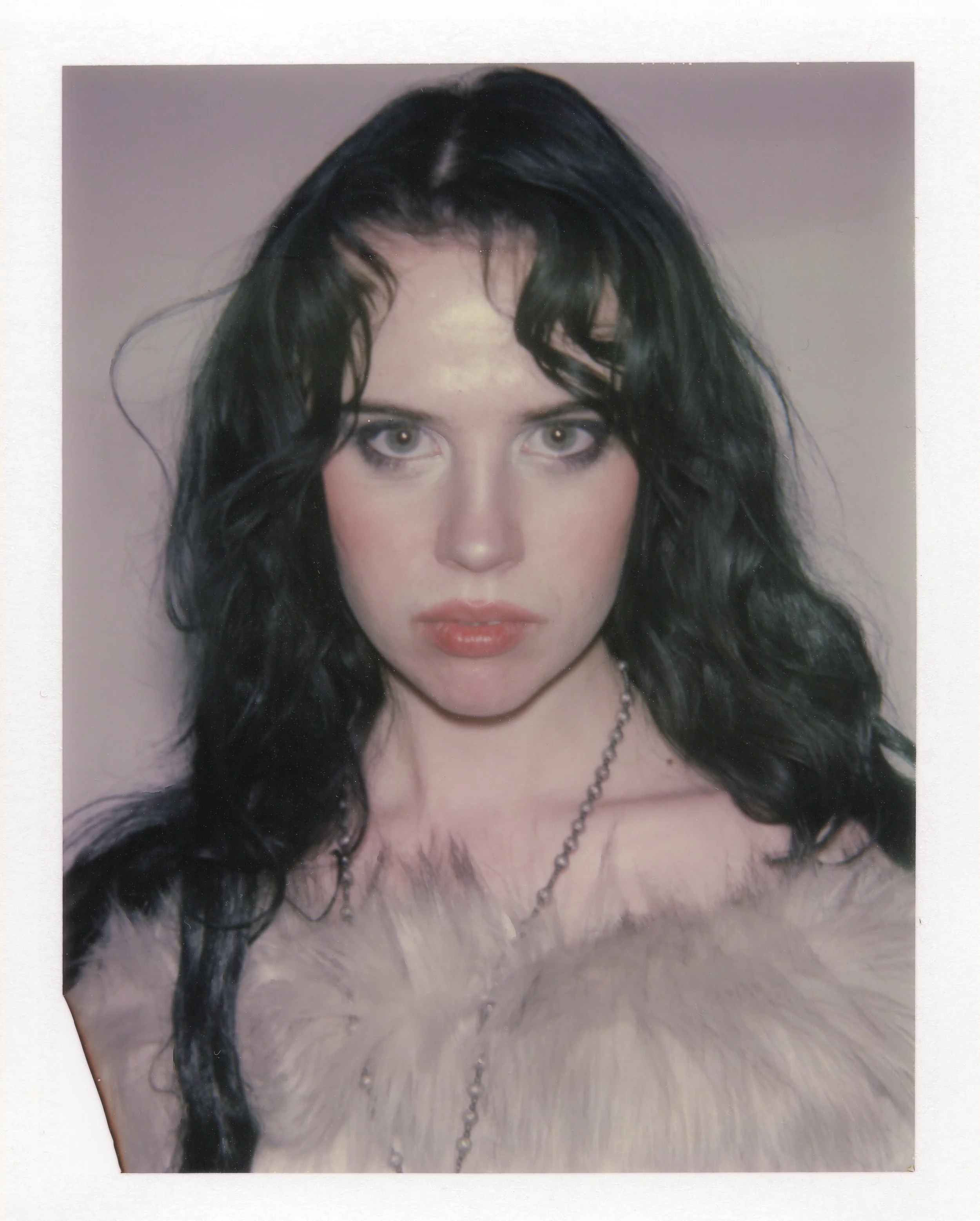
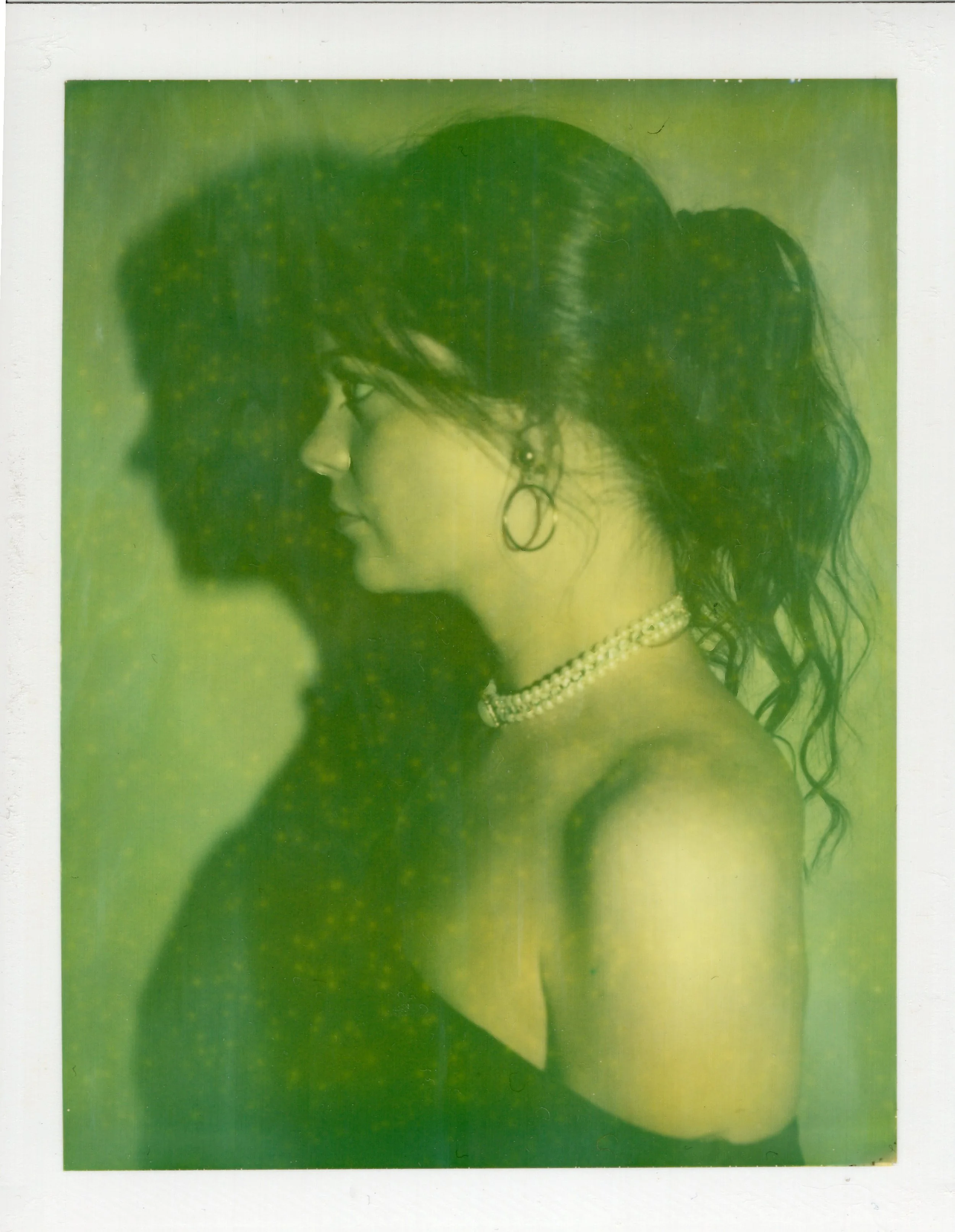
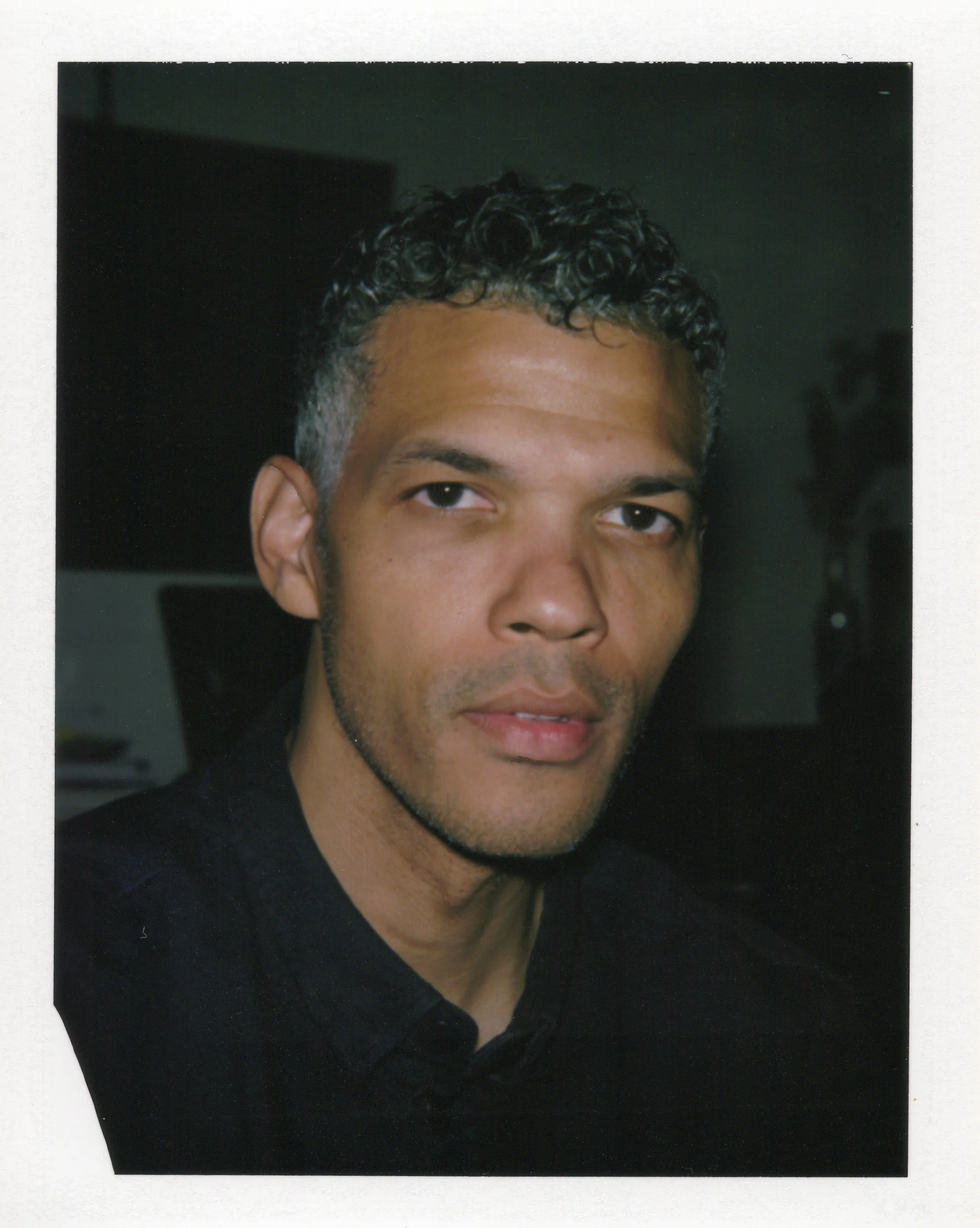
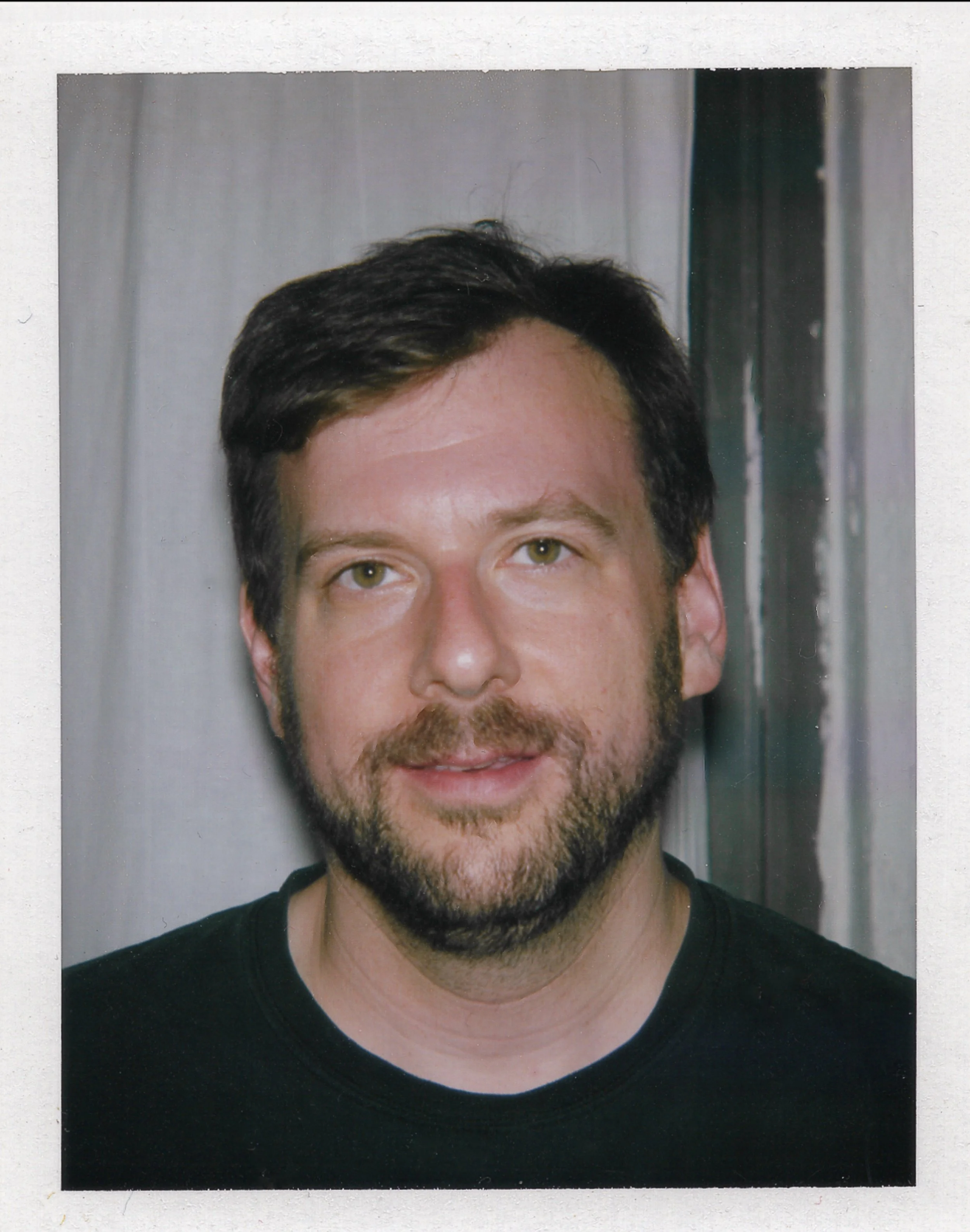
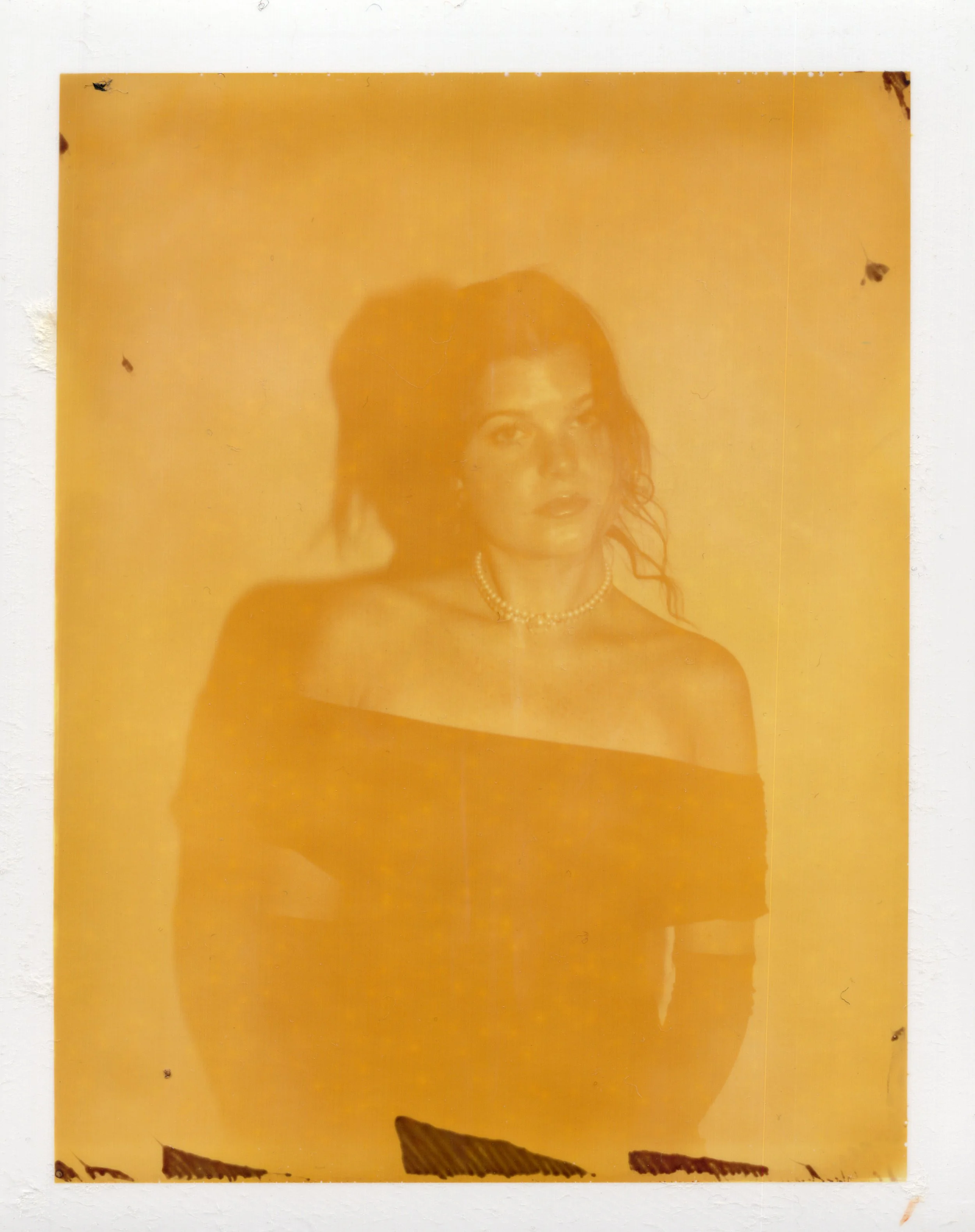
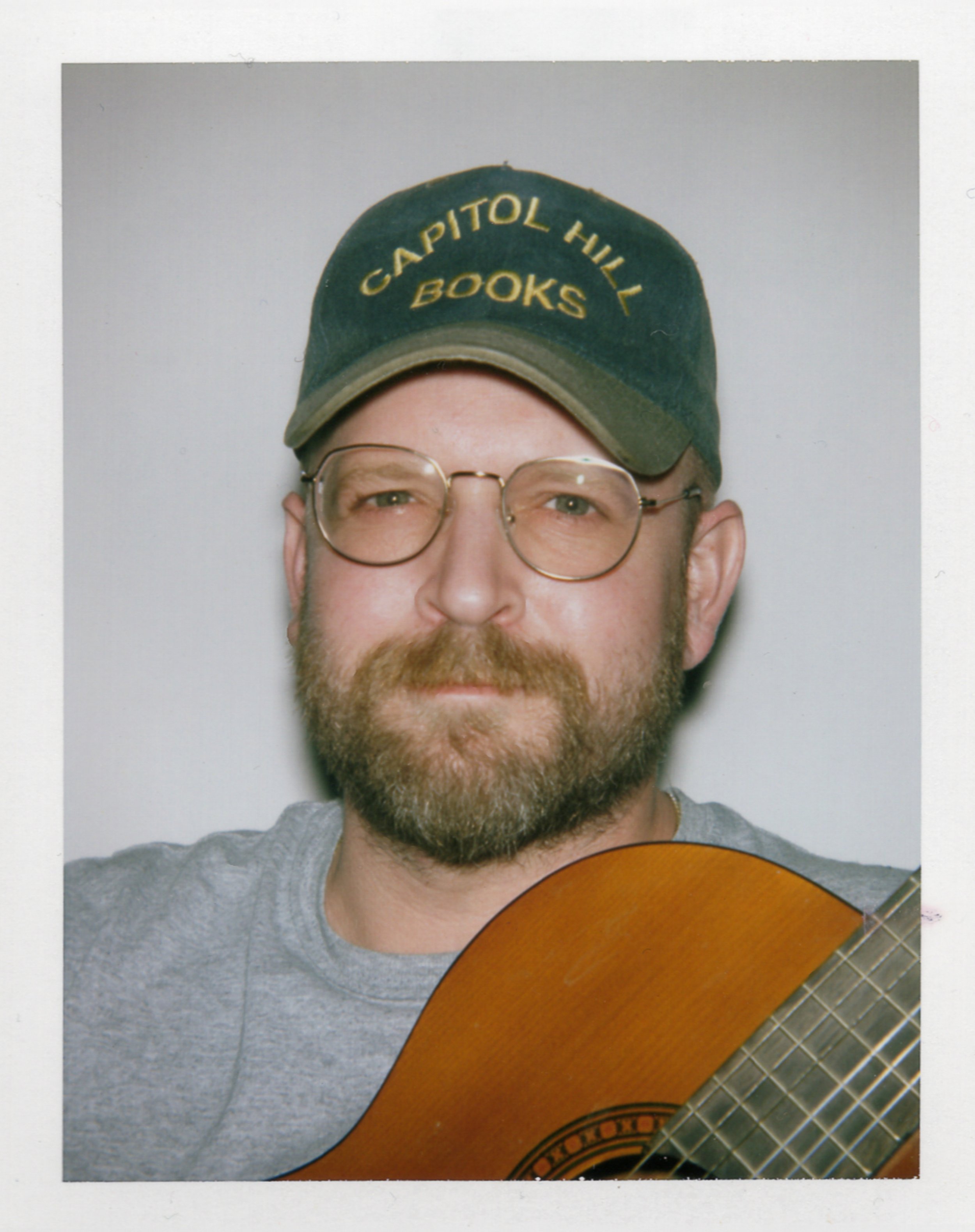
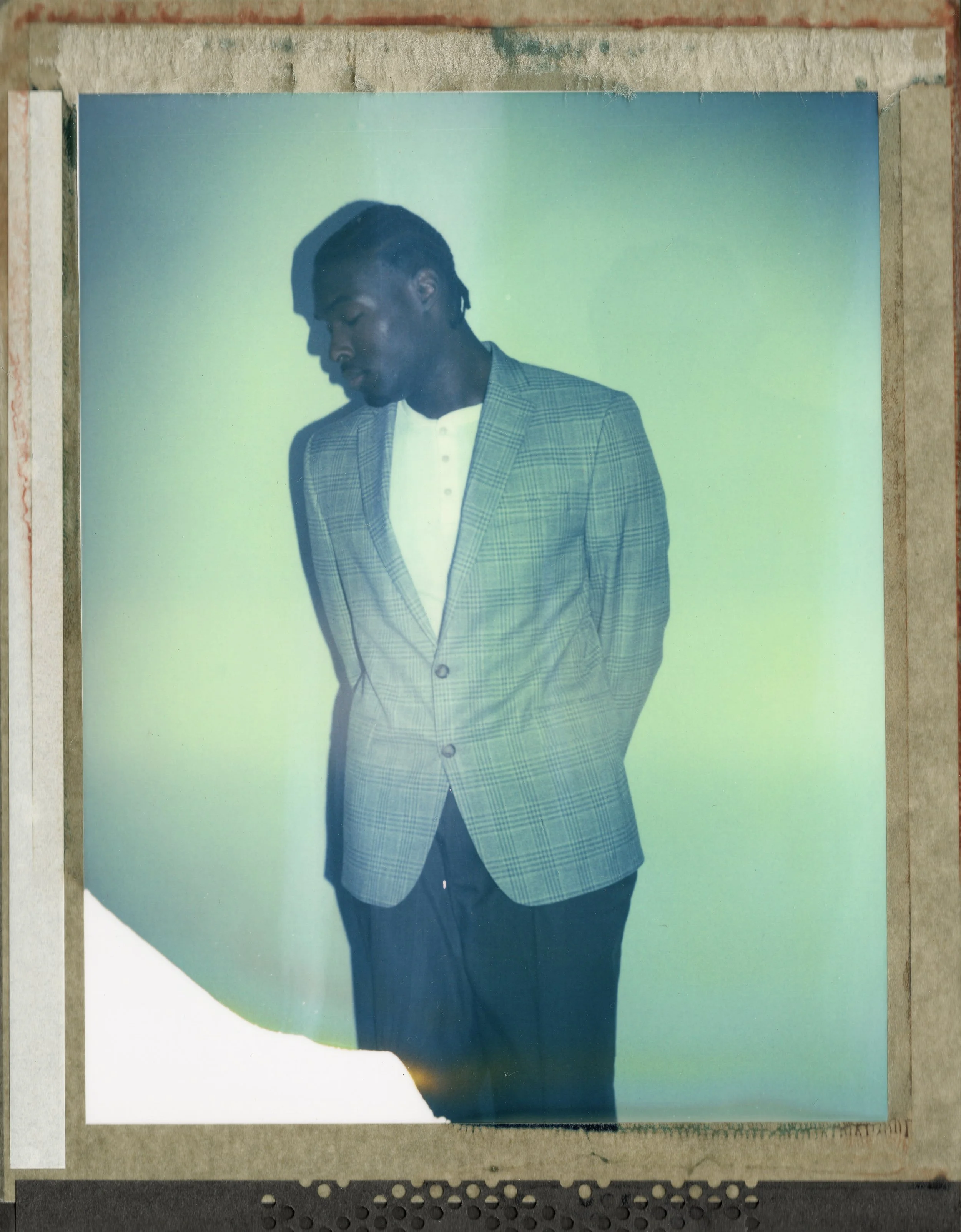
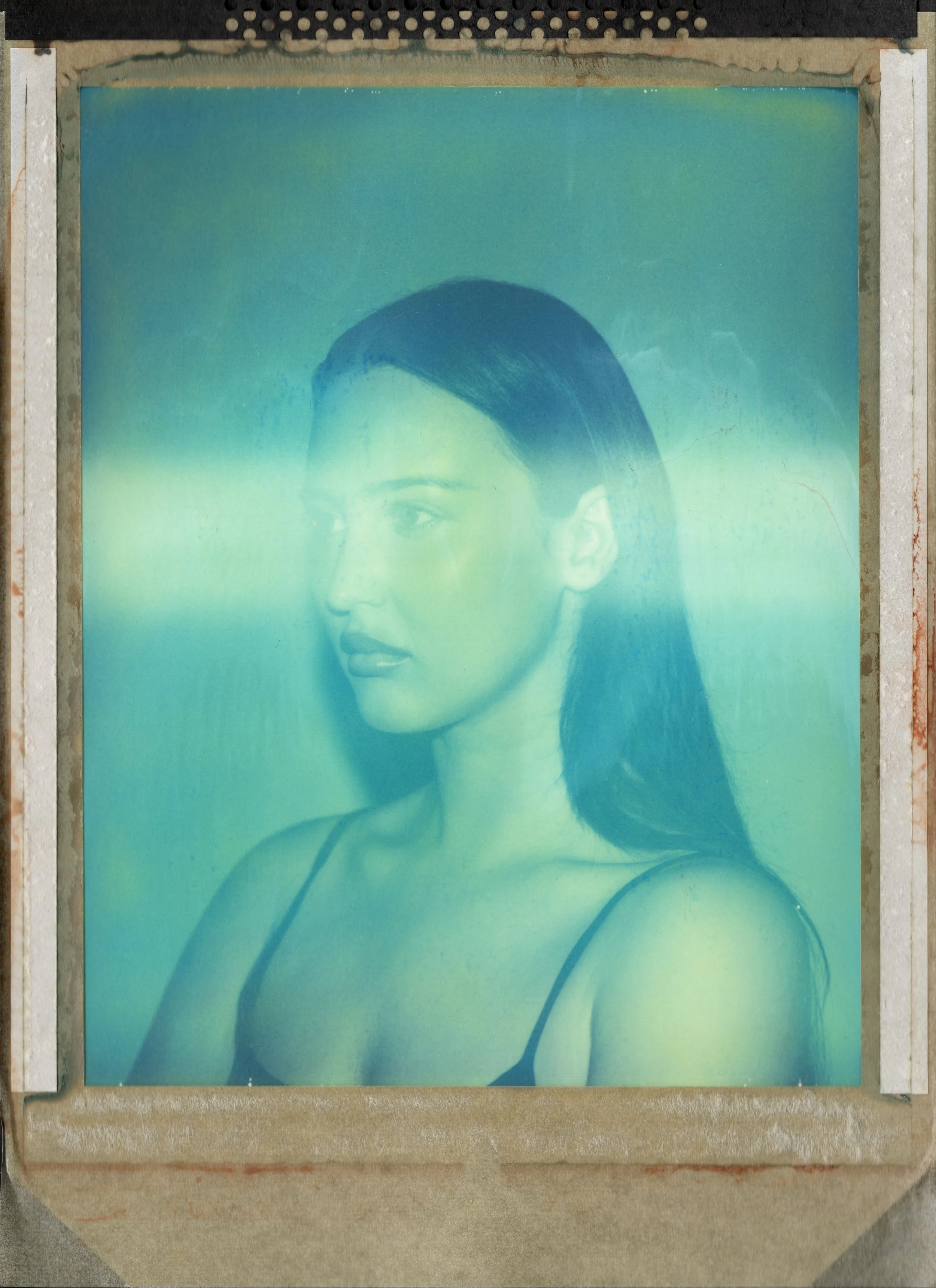
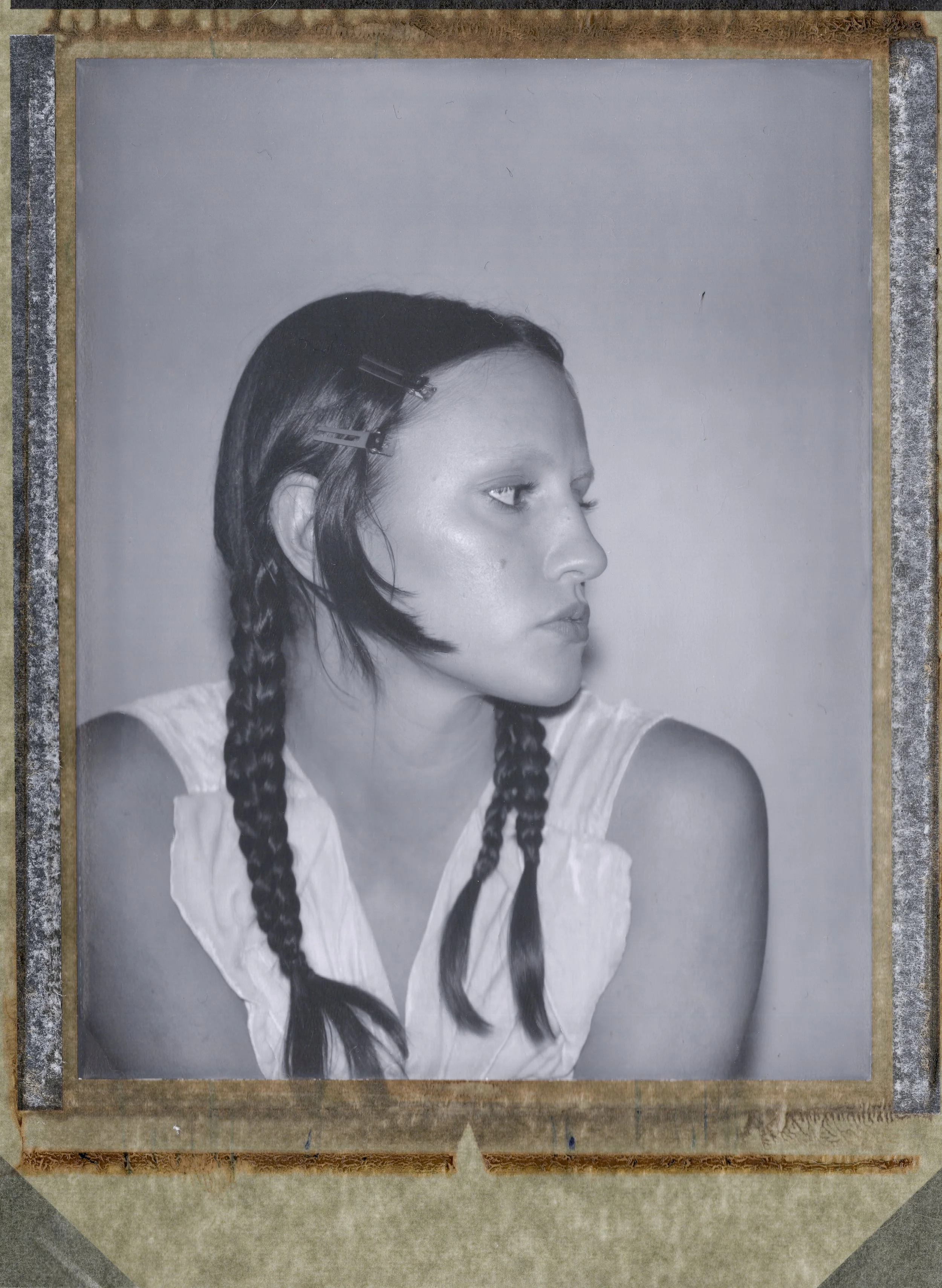
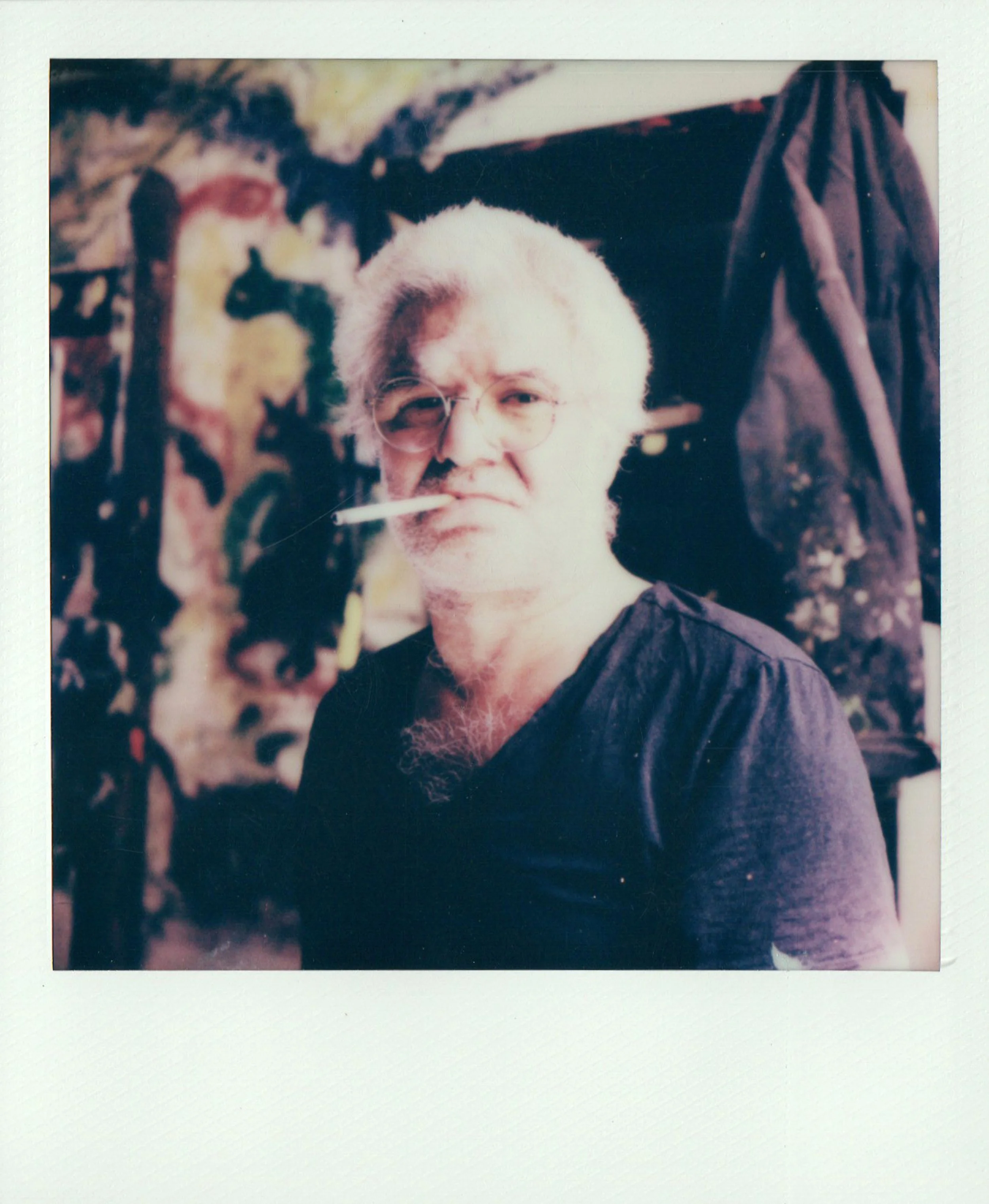
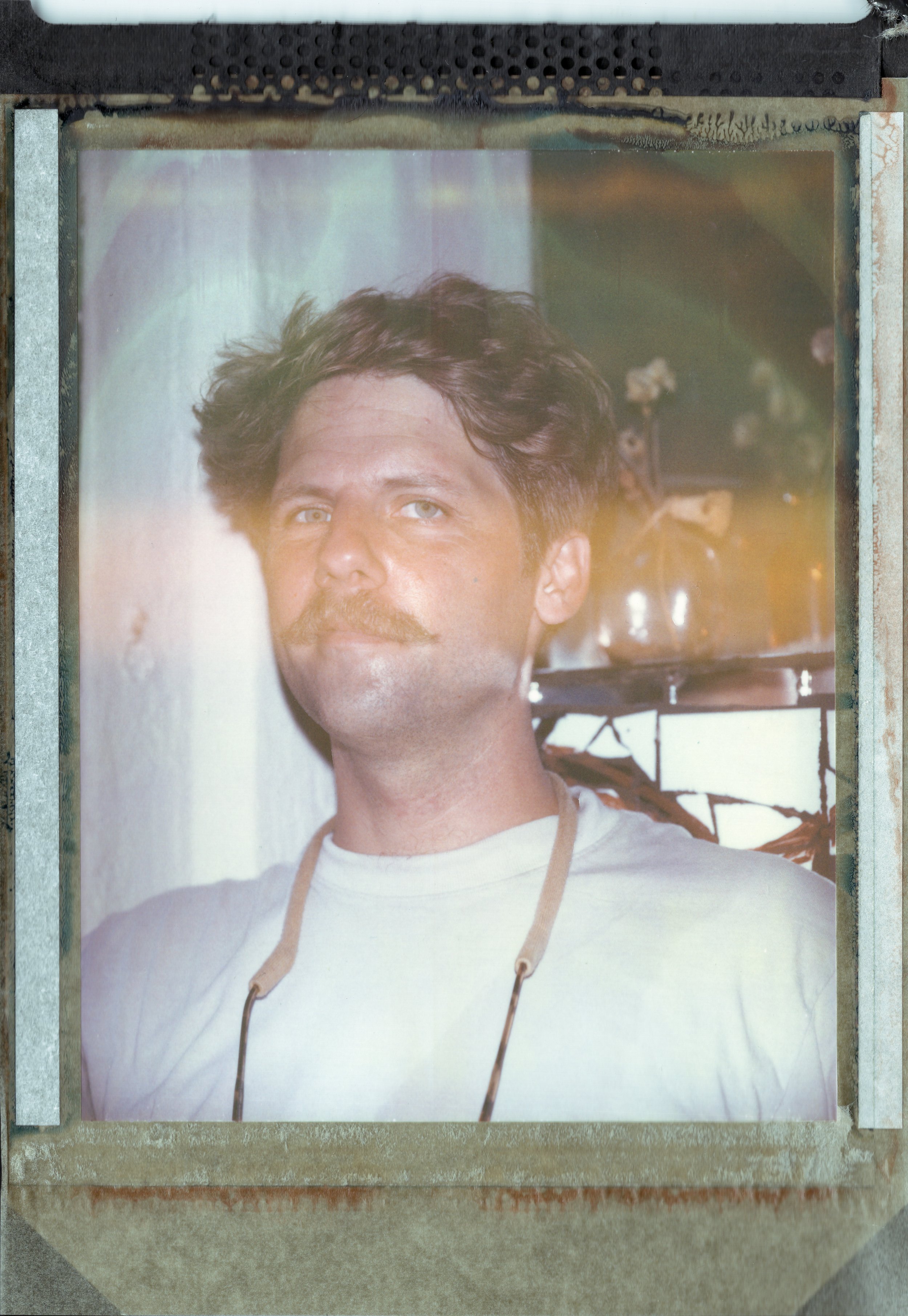
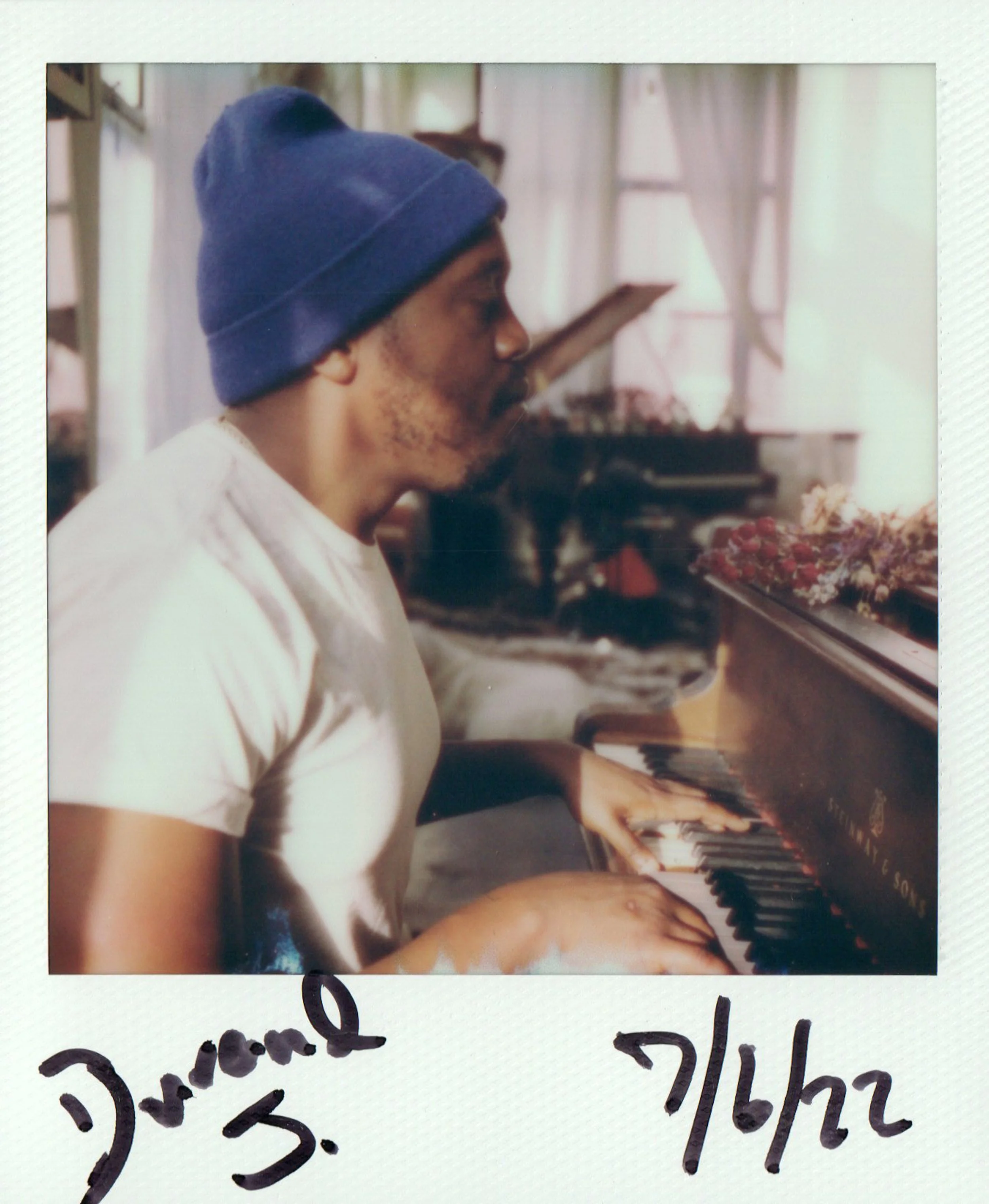
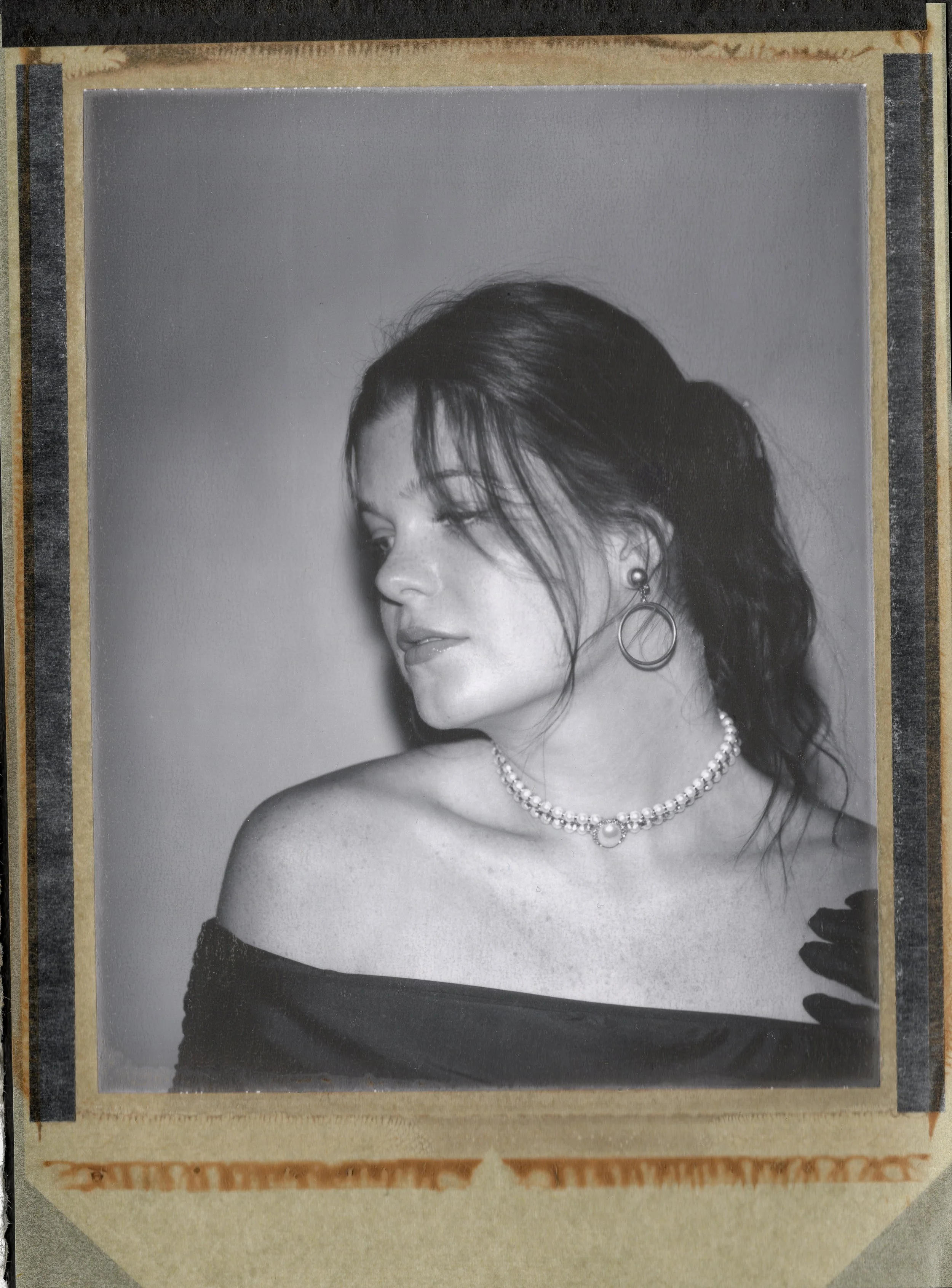
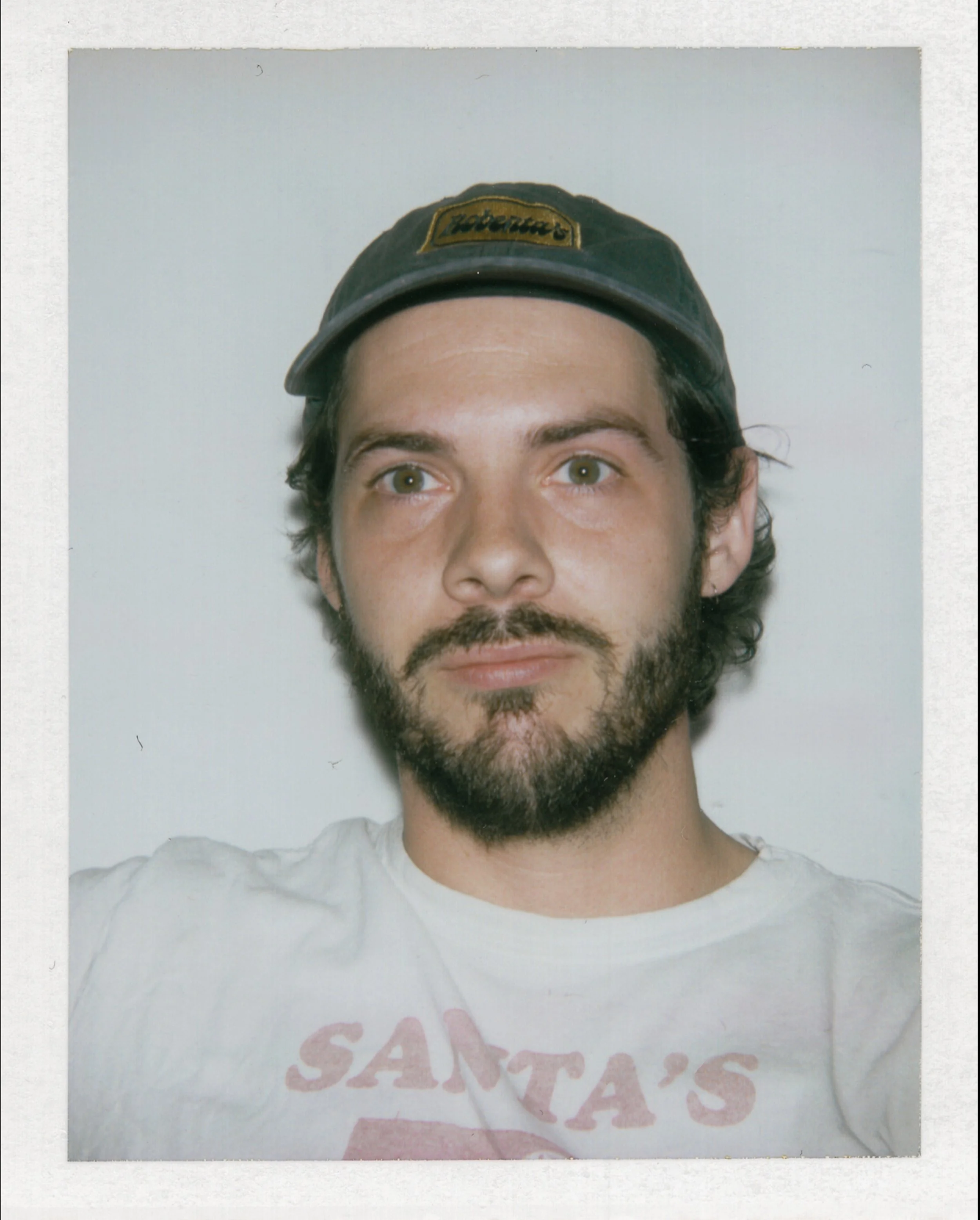
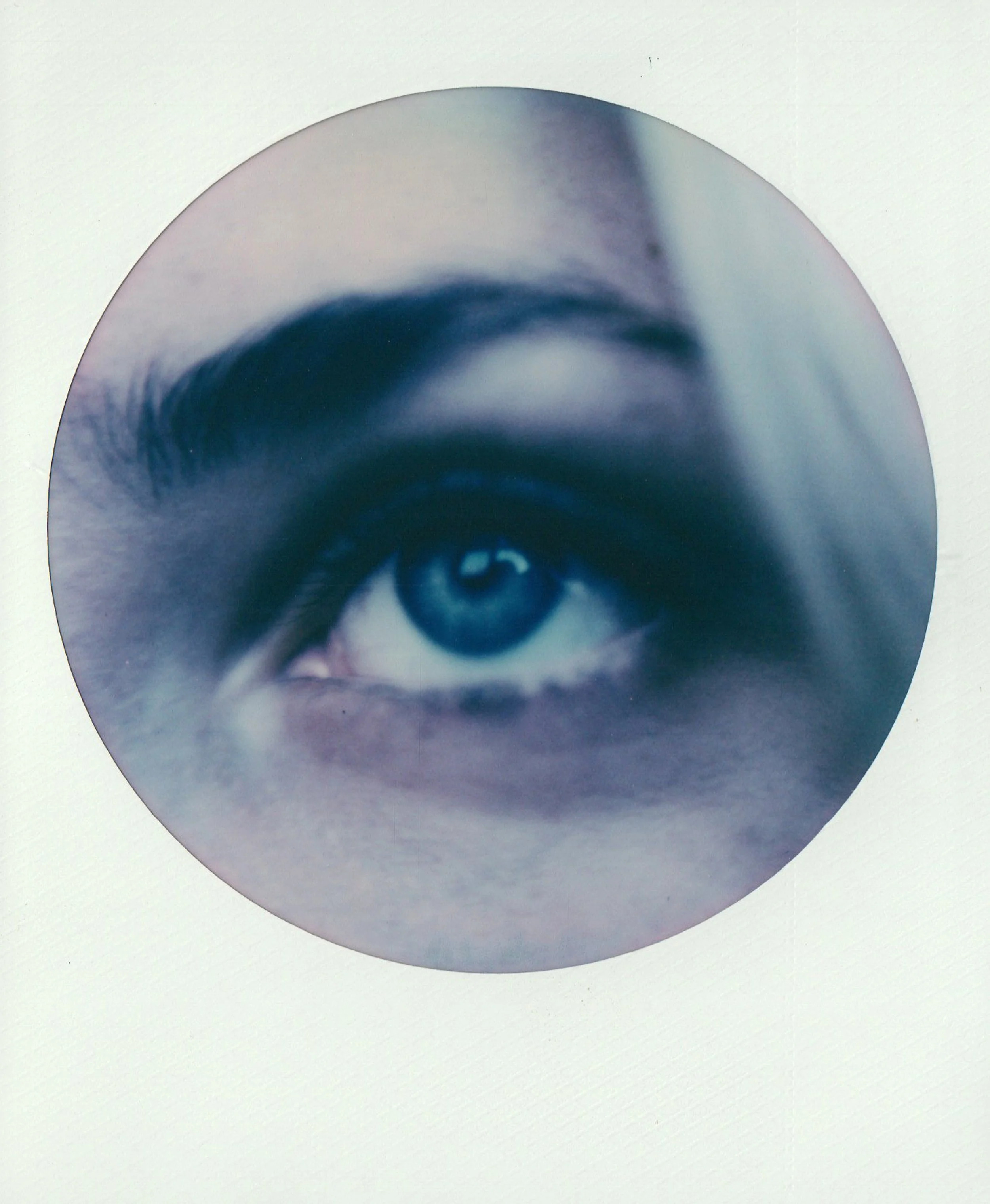
Instant/Peel-Apart film
S1
-
Formats include:
Polaroid Type 55, Polaroid Type 59, Fuji FP100C, Fuji FP3000B, Polaroid 600 and Fuji Instax wide.
Peel-apart and instant film sessions offer the chance to be photographed through processes that are increasingly difficult to access. Some of these images are made with discontinued peel-apart materials — including rare Fuji stocks — that are no longer in production and now exist only in a finite supply. Each exposure is a one-of-a-kind physical original, shaped by the material itself and impossible to replicate exactly.
Alongside these rarer formats, I also work with Polaroid 600 and other Fuji instant materials, which, while more accessible, still offer a distinctive and memorable experience. What makes them especially special in my practice is the use of rare, sought-after cameras capable of producing unusually high-fidelity instant photographs with depth, clarity, and character that stand apart from everyday instant imagery.
For many people, being photographed this way is more than choosing a format — it is a rare opportunity to participate in a photographic process that is tactile, immediate, and in some cases disappearing altogether.
Medium Format 120mm film
S2
-
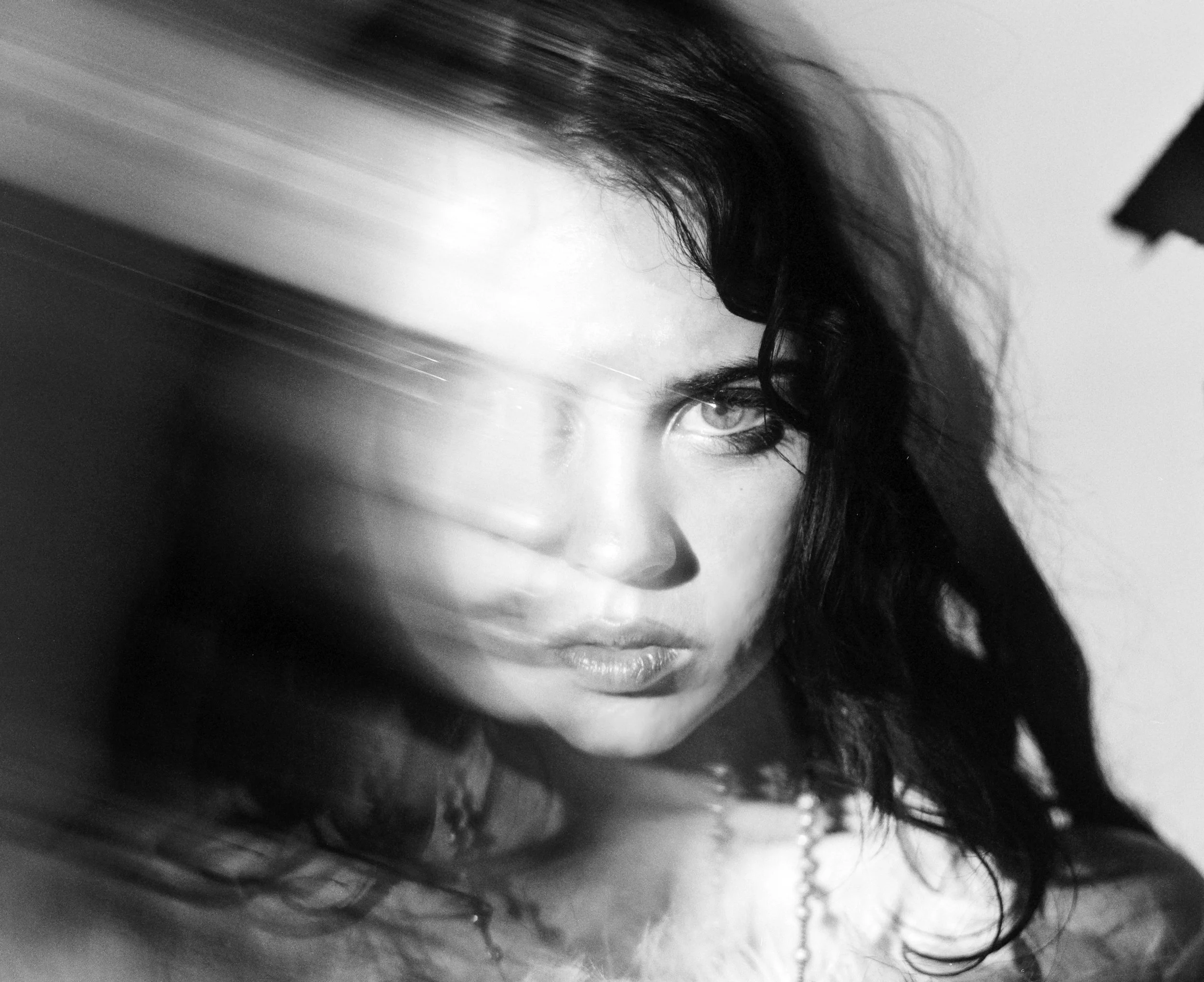
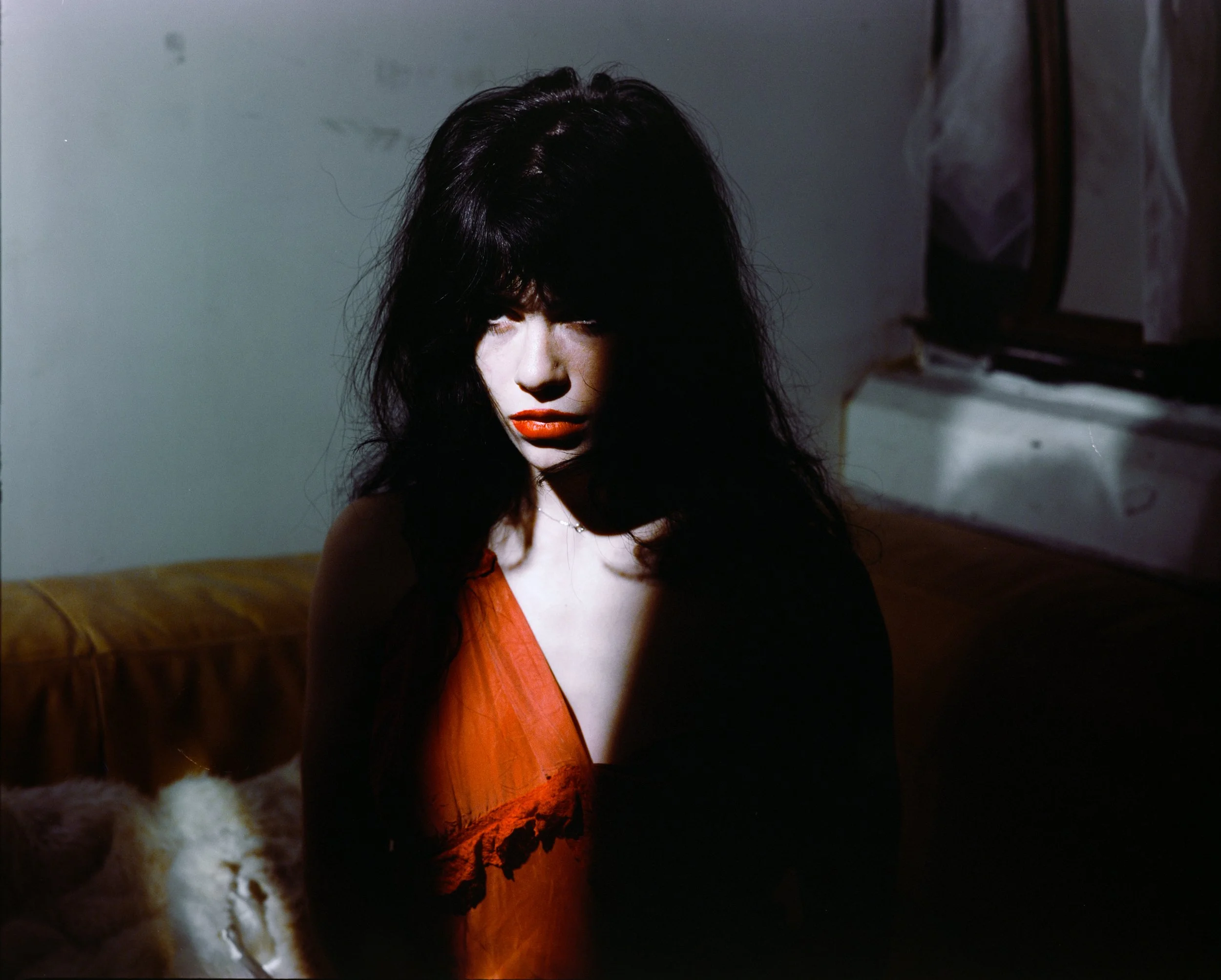
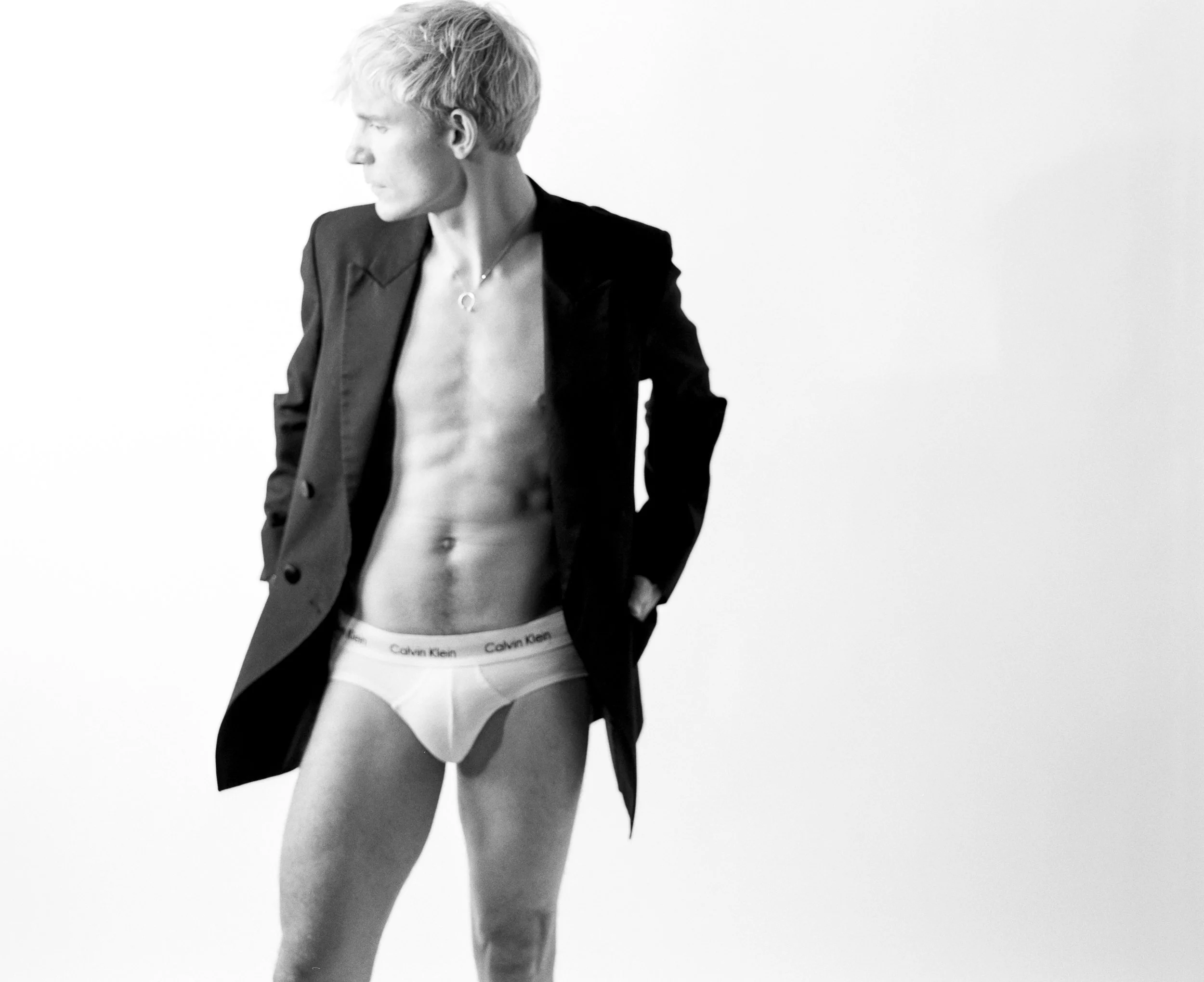
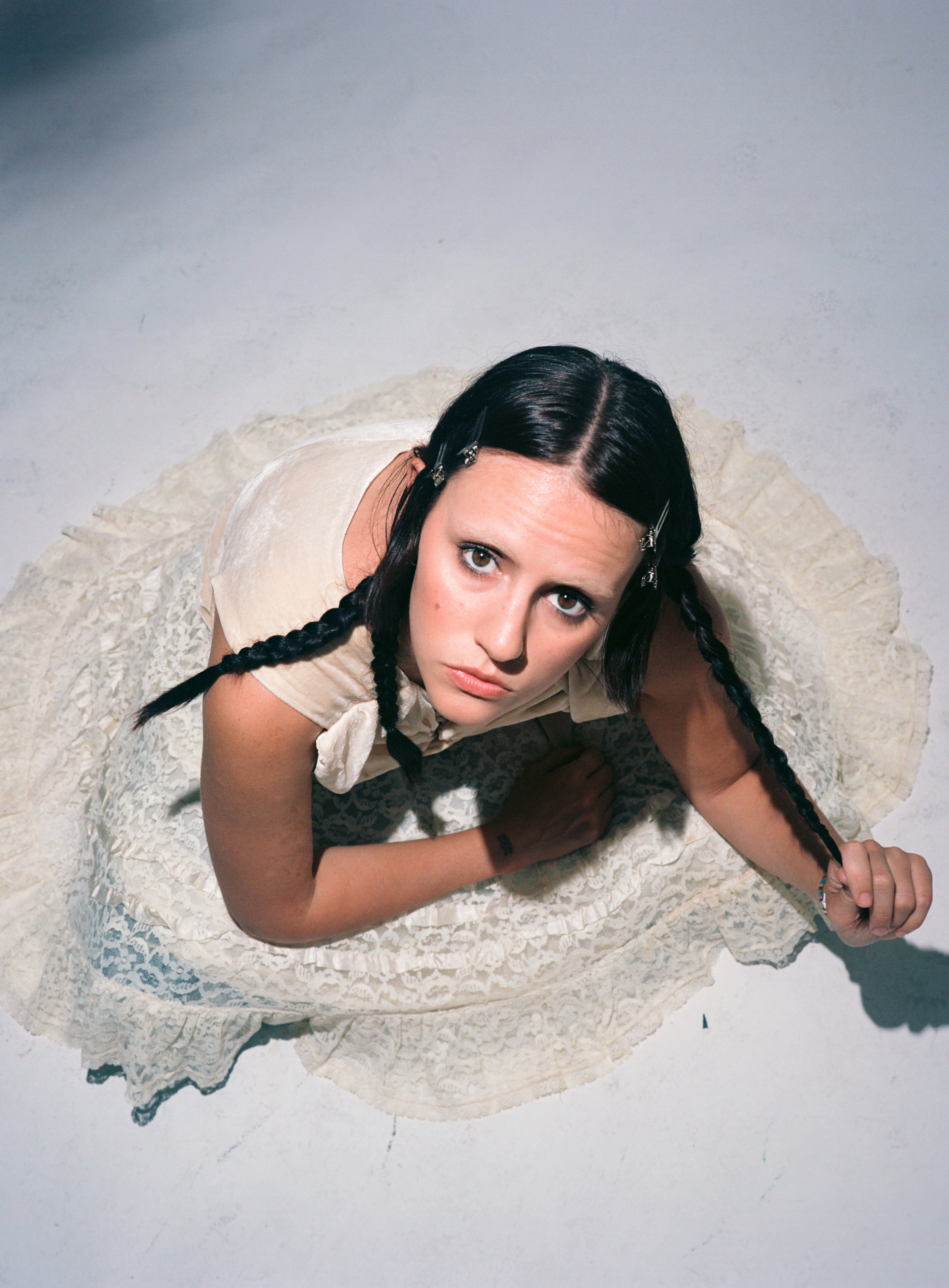
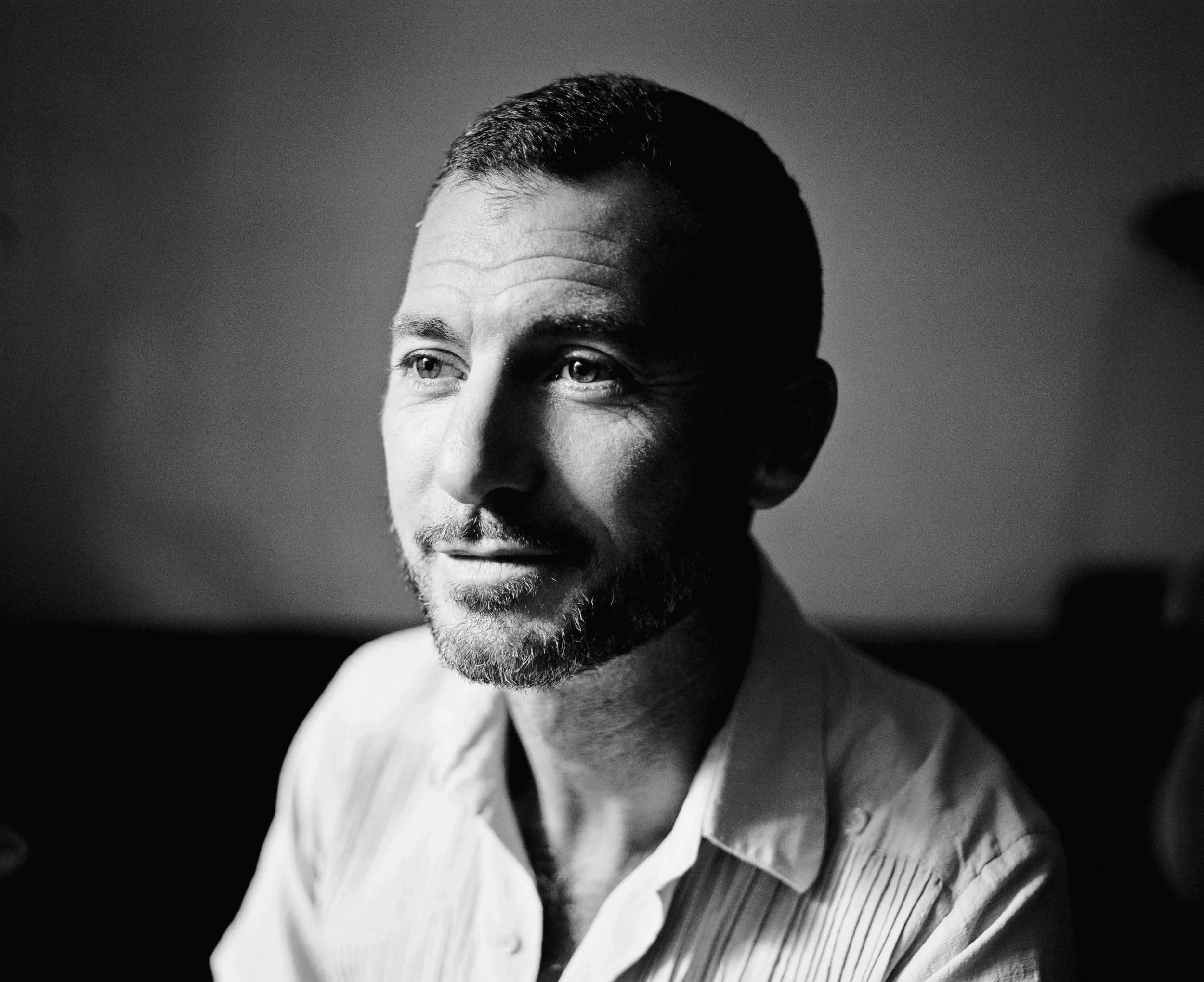
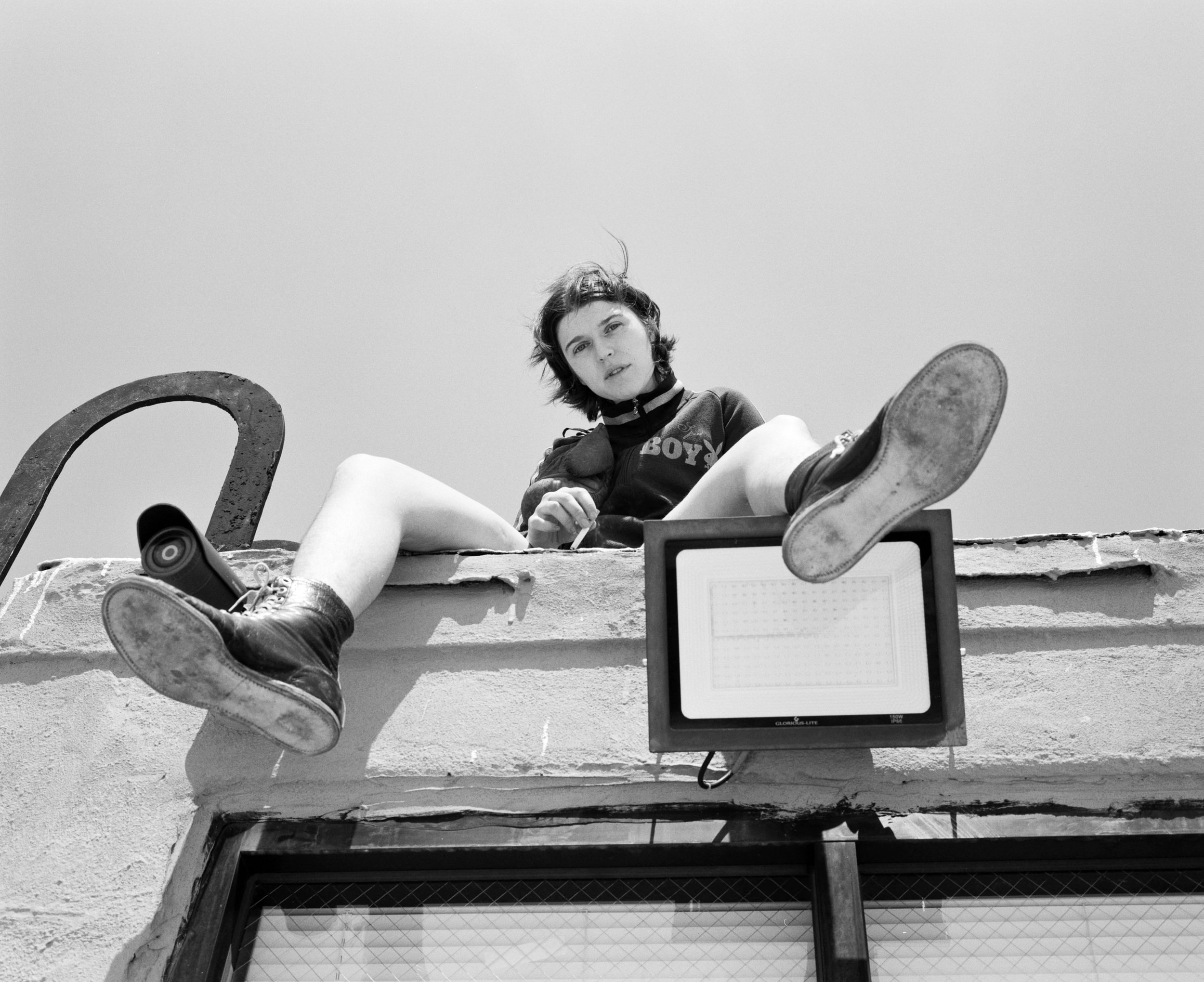
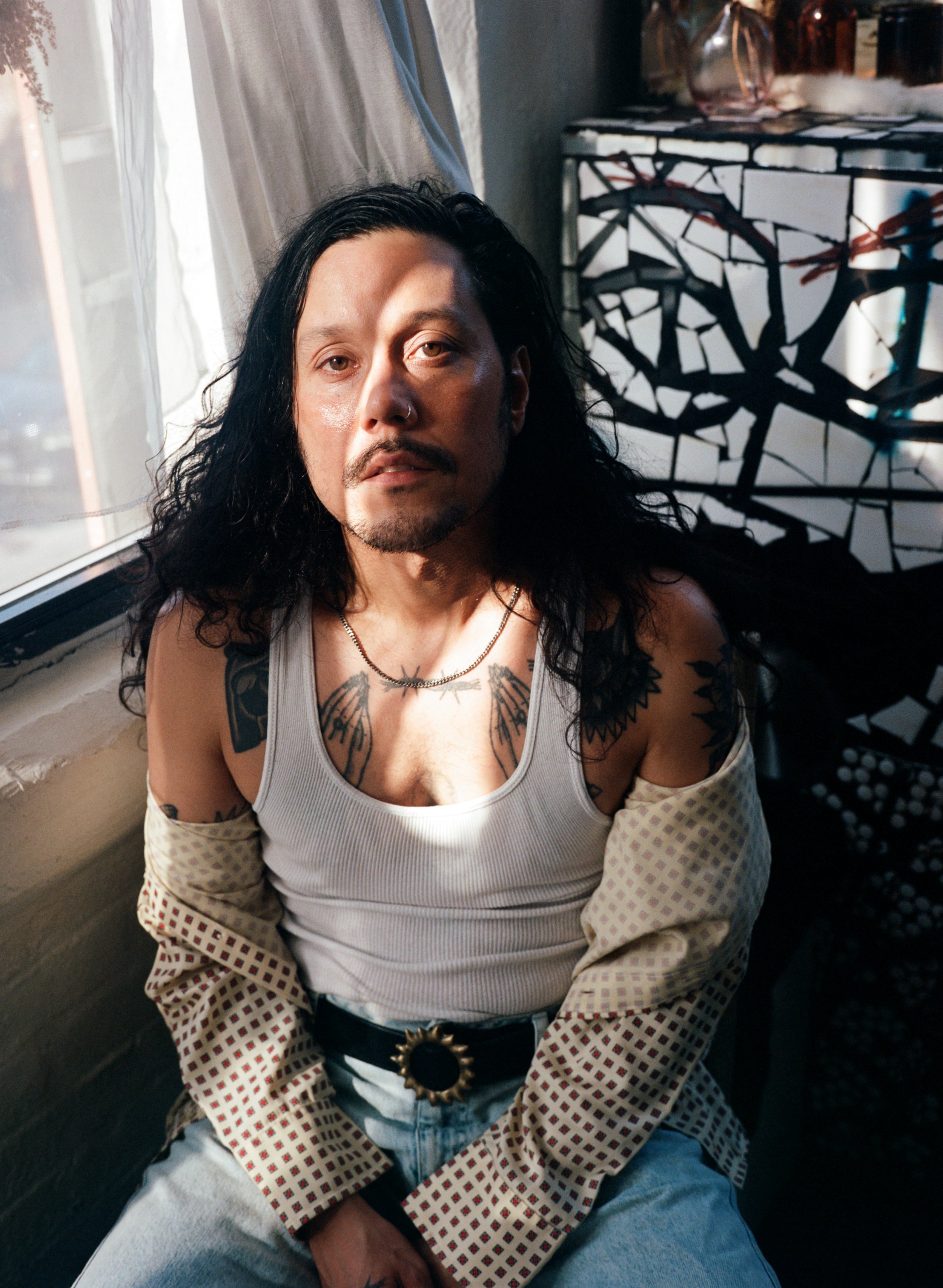
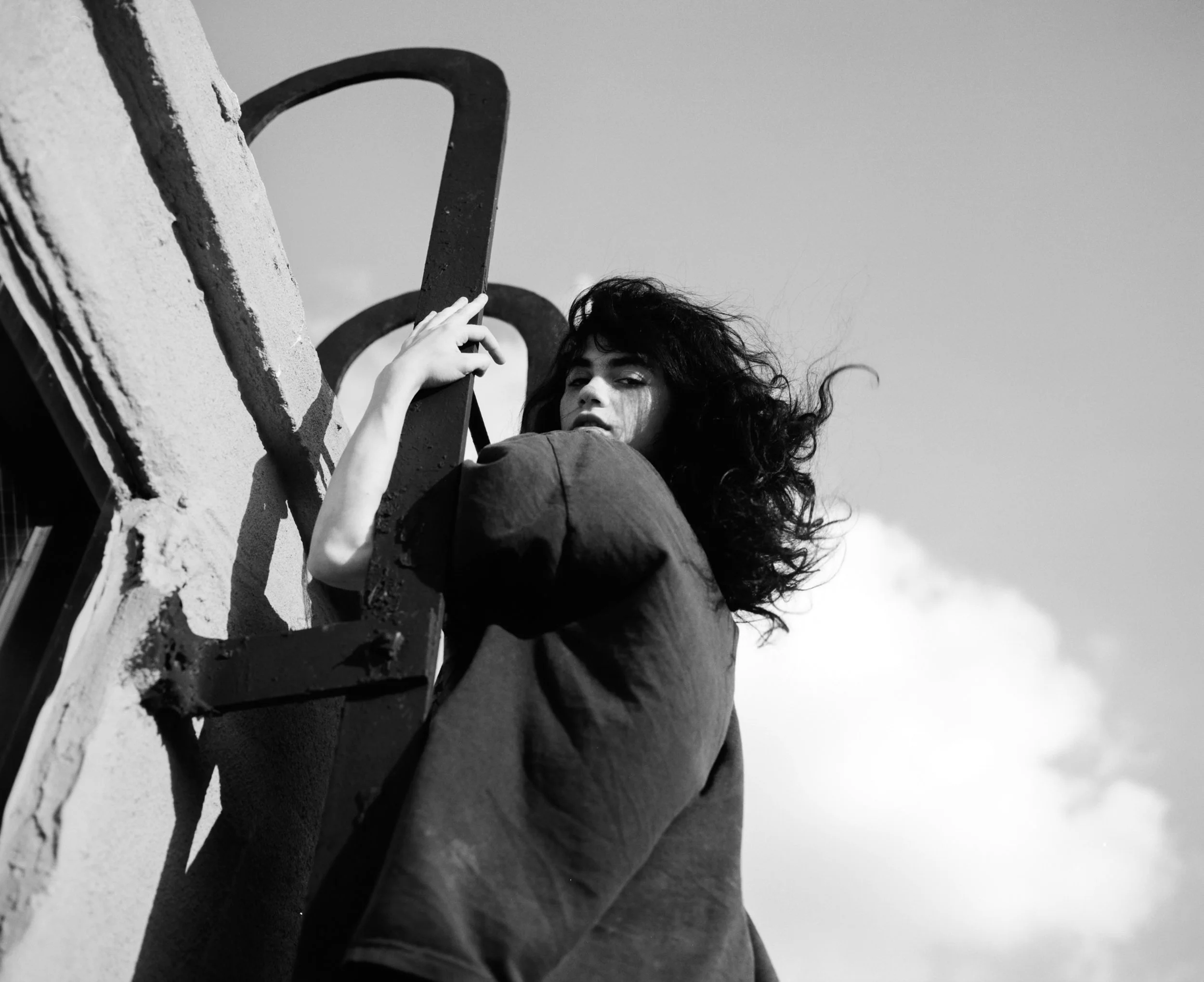
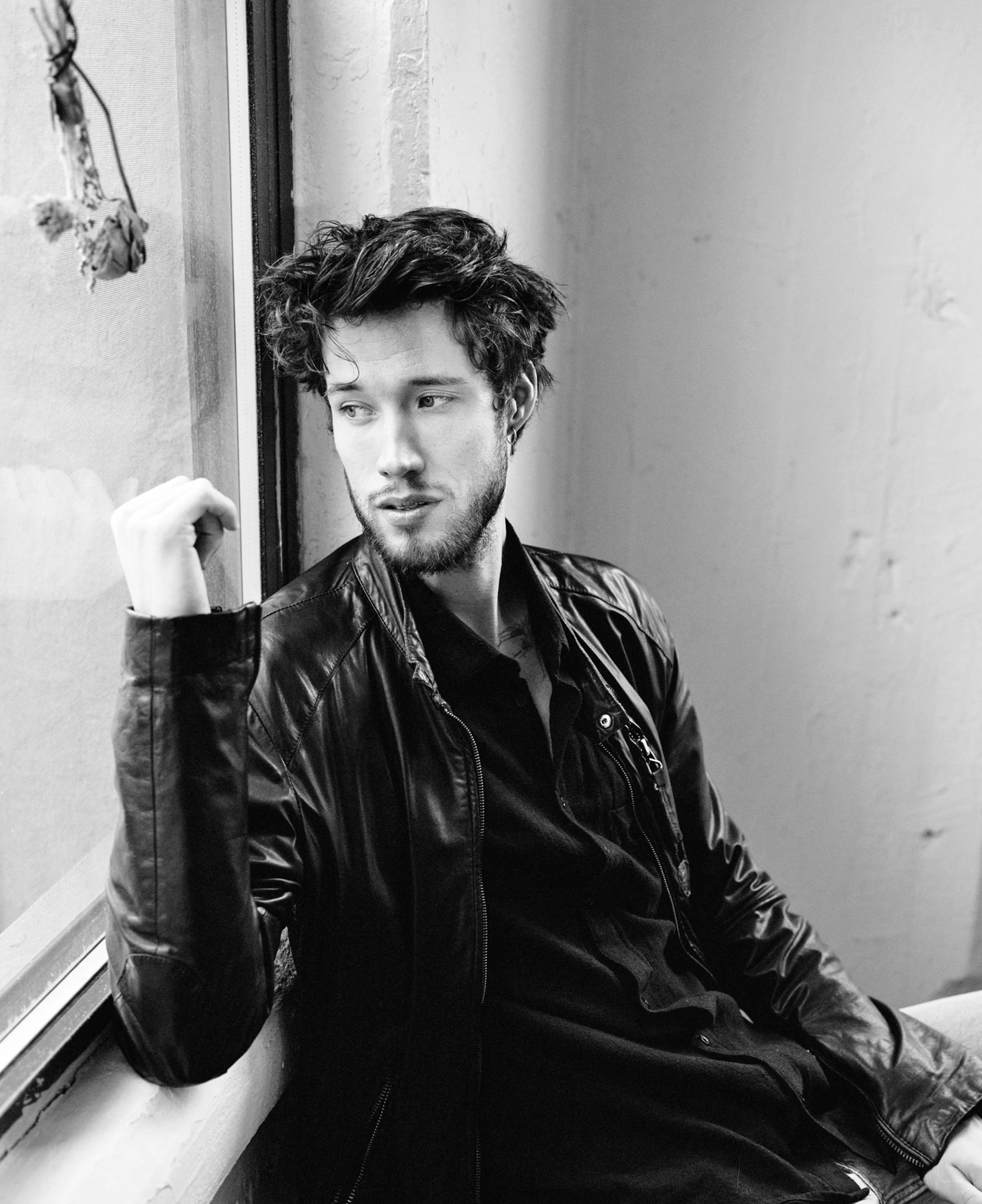
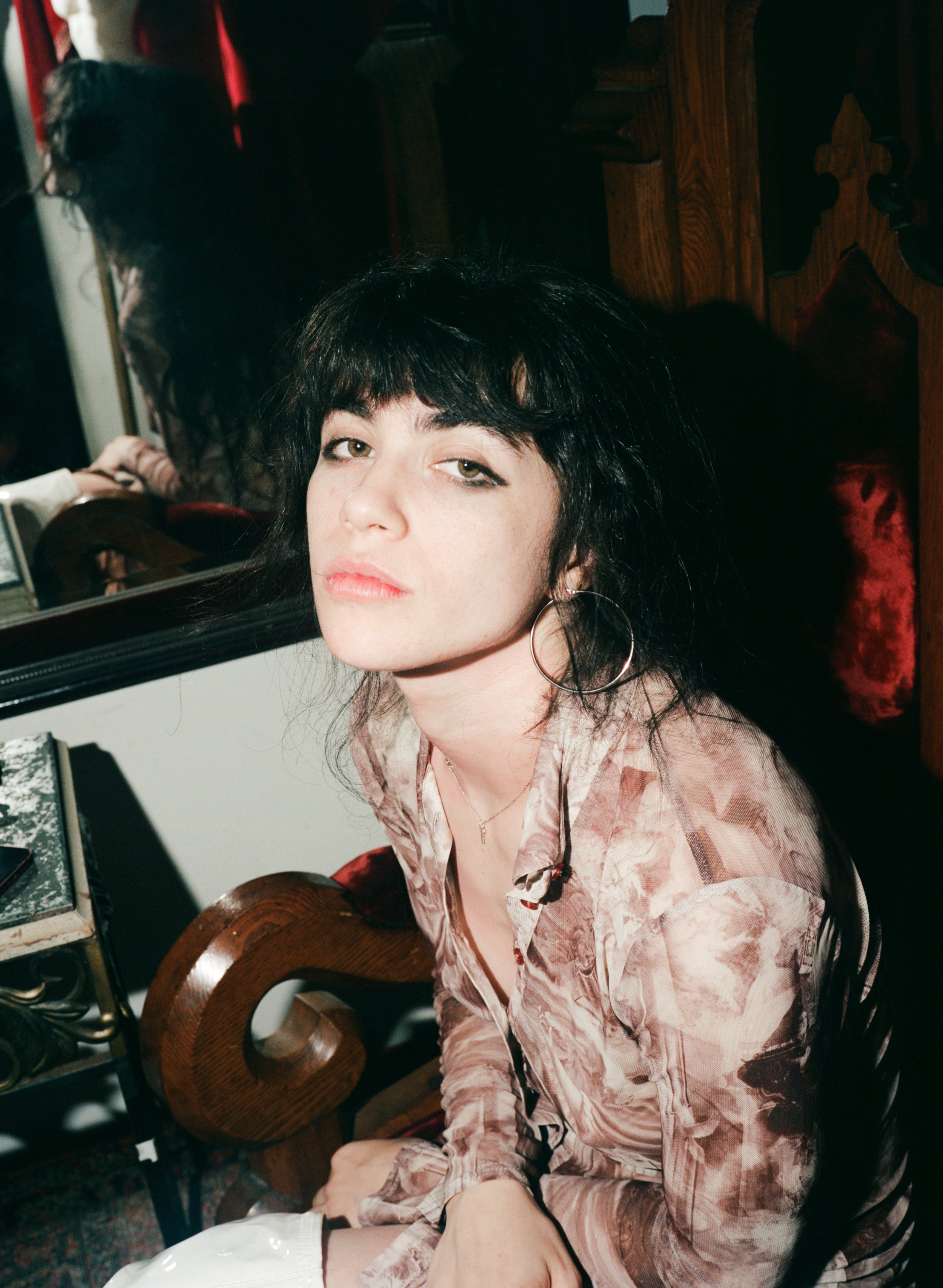
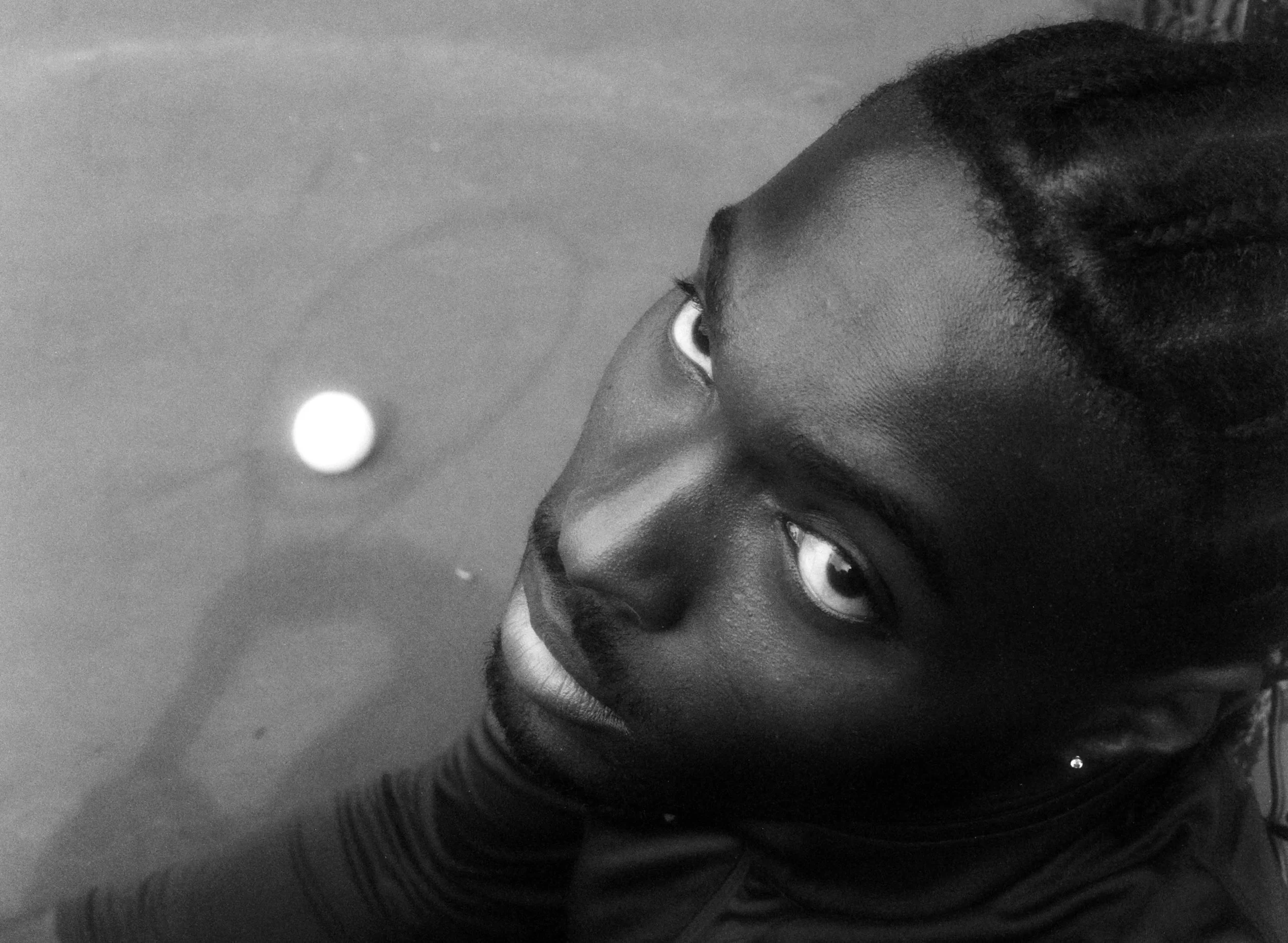
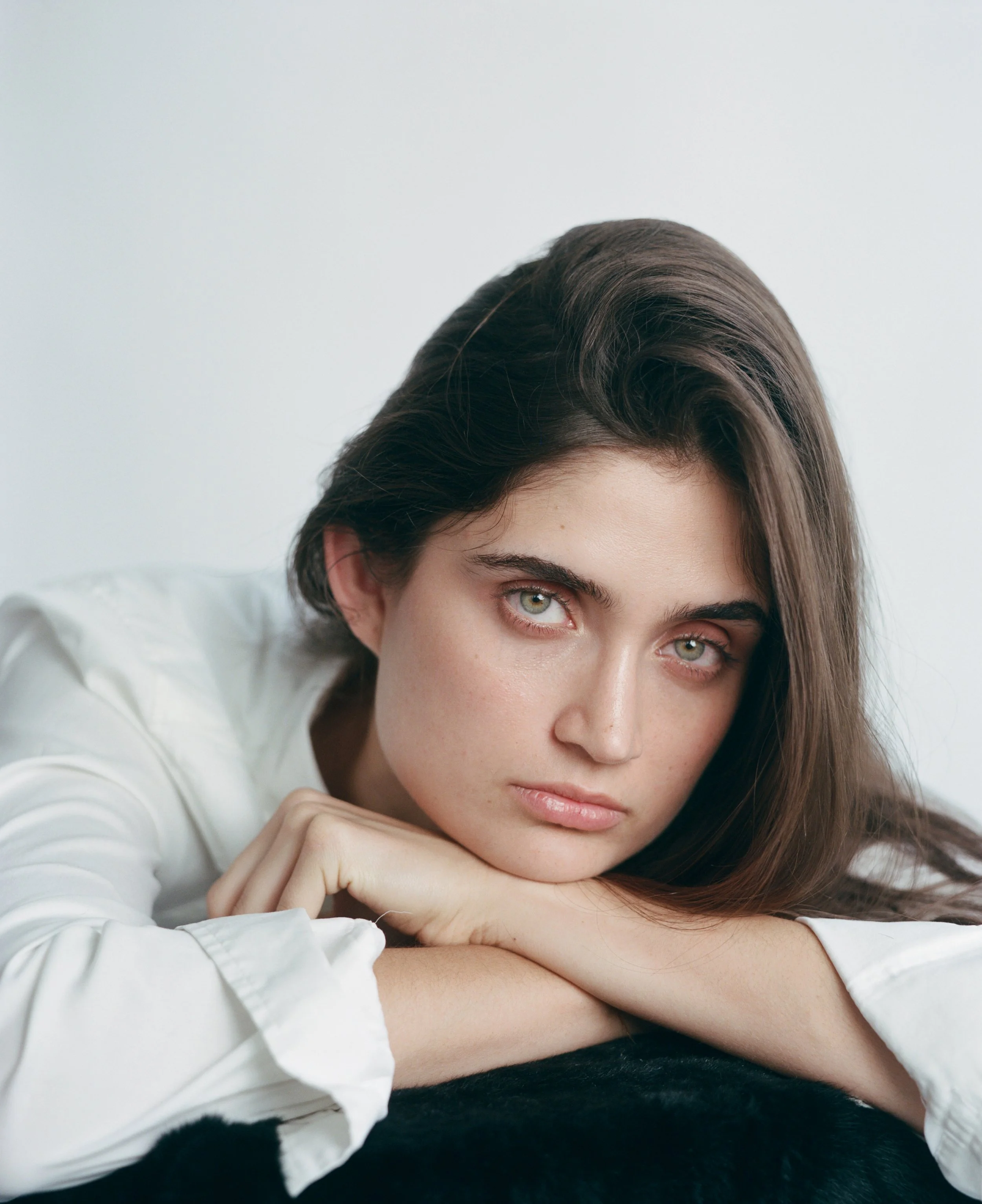
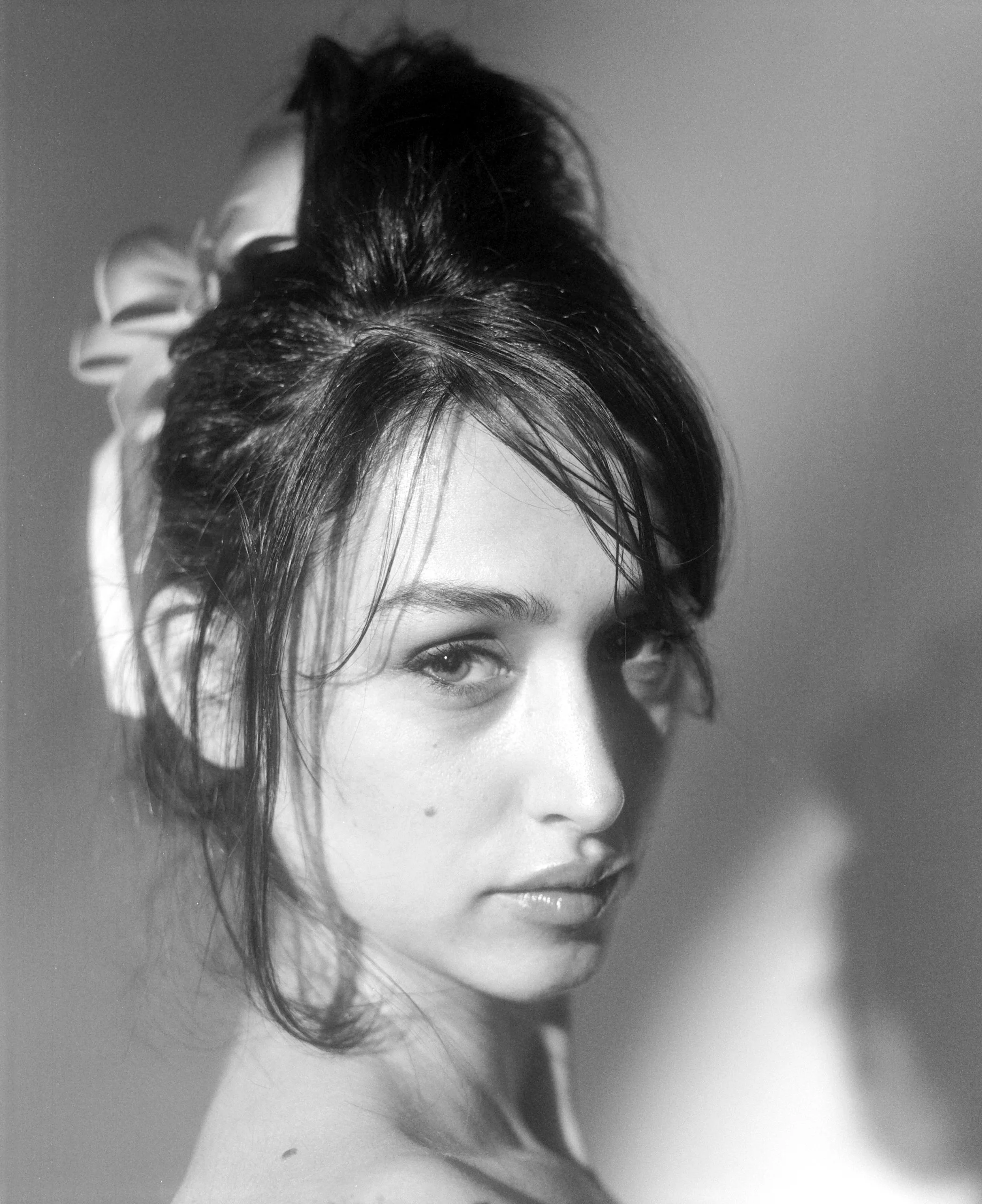
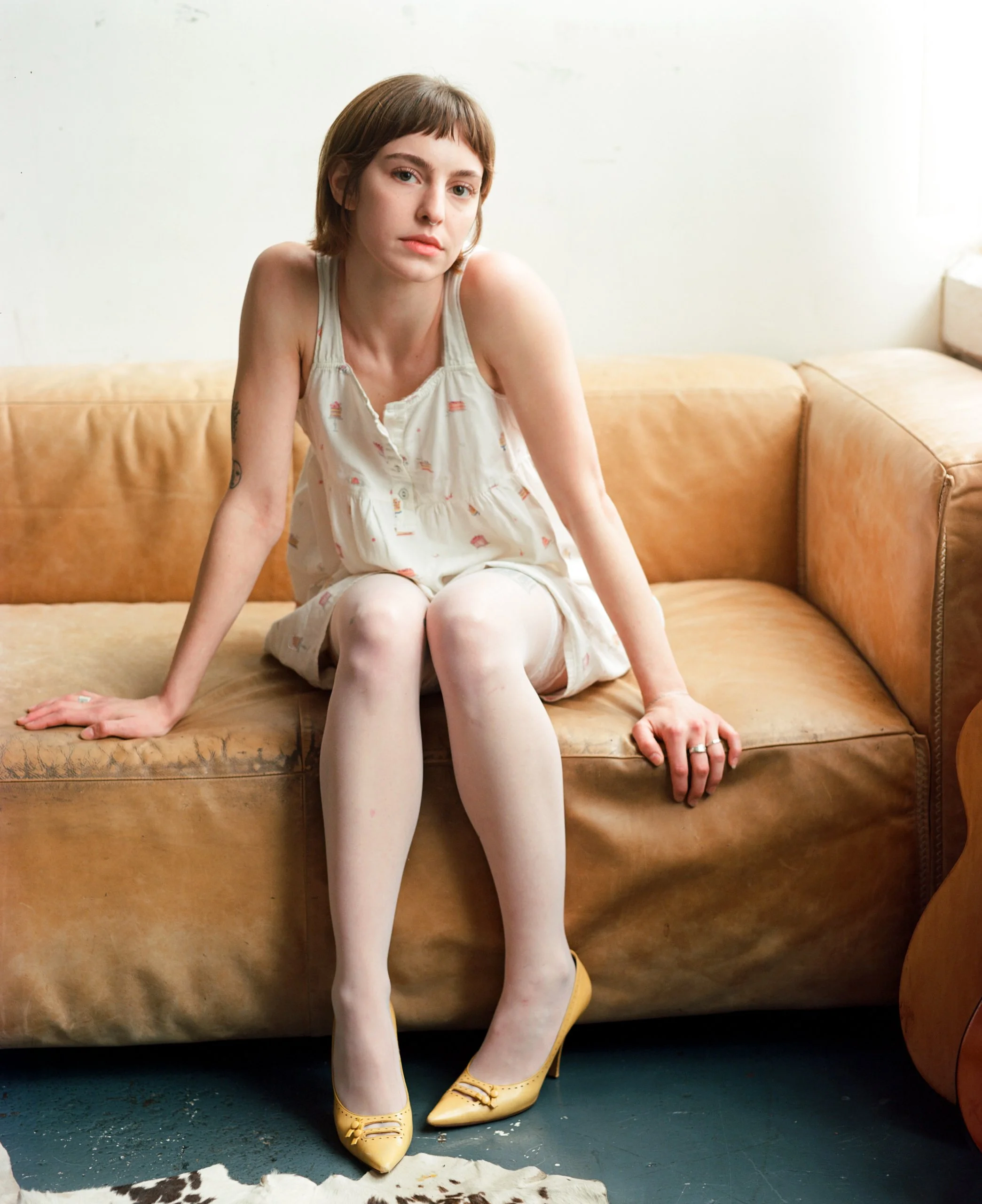
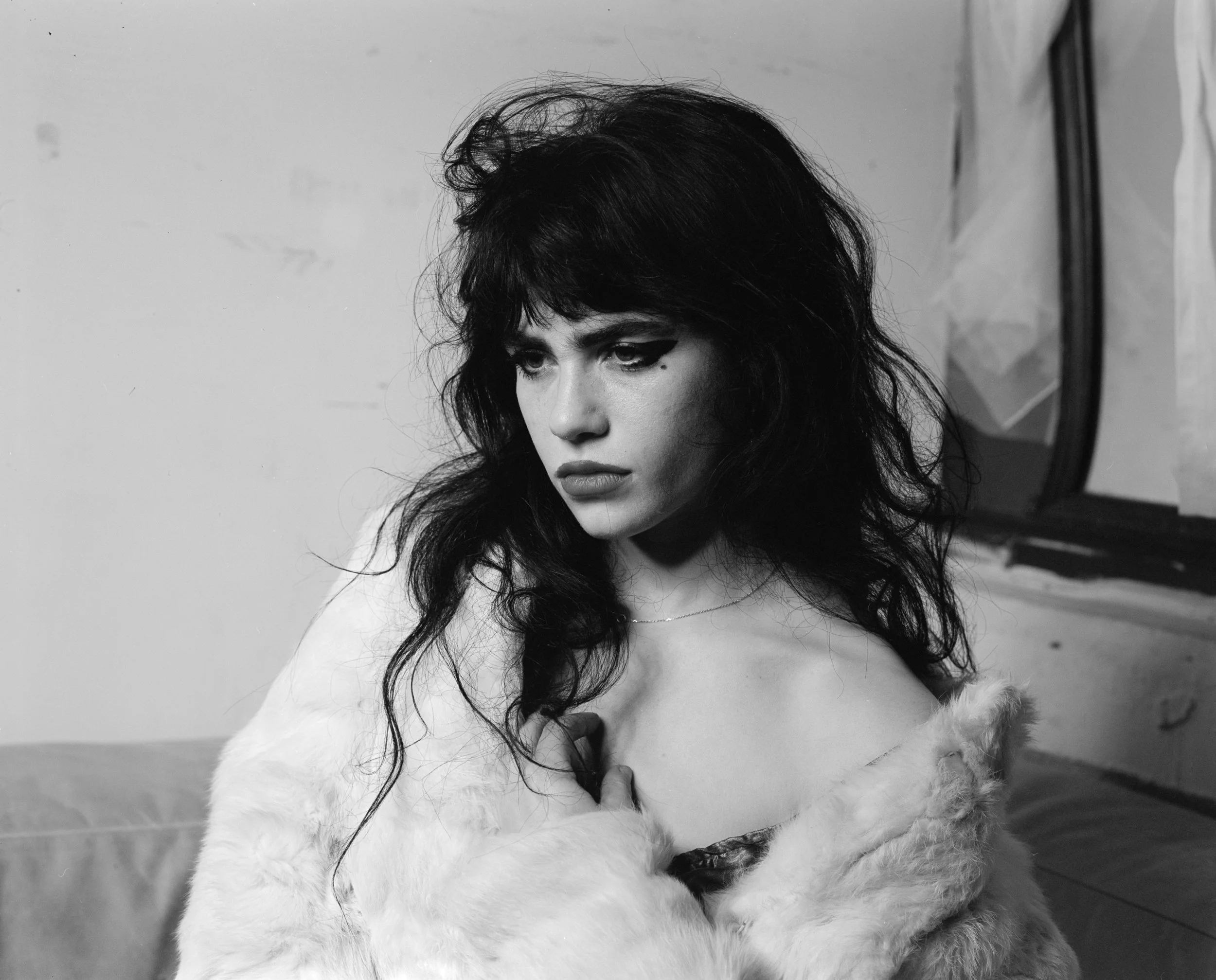
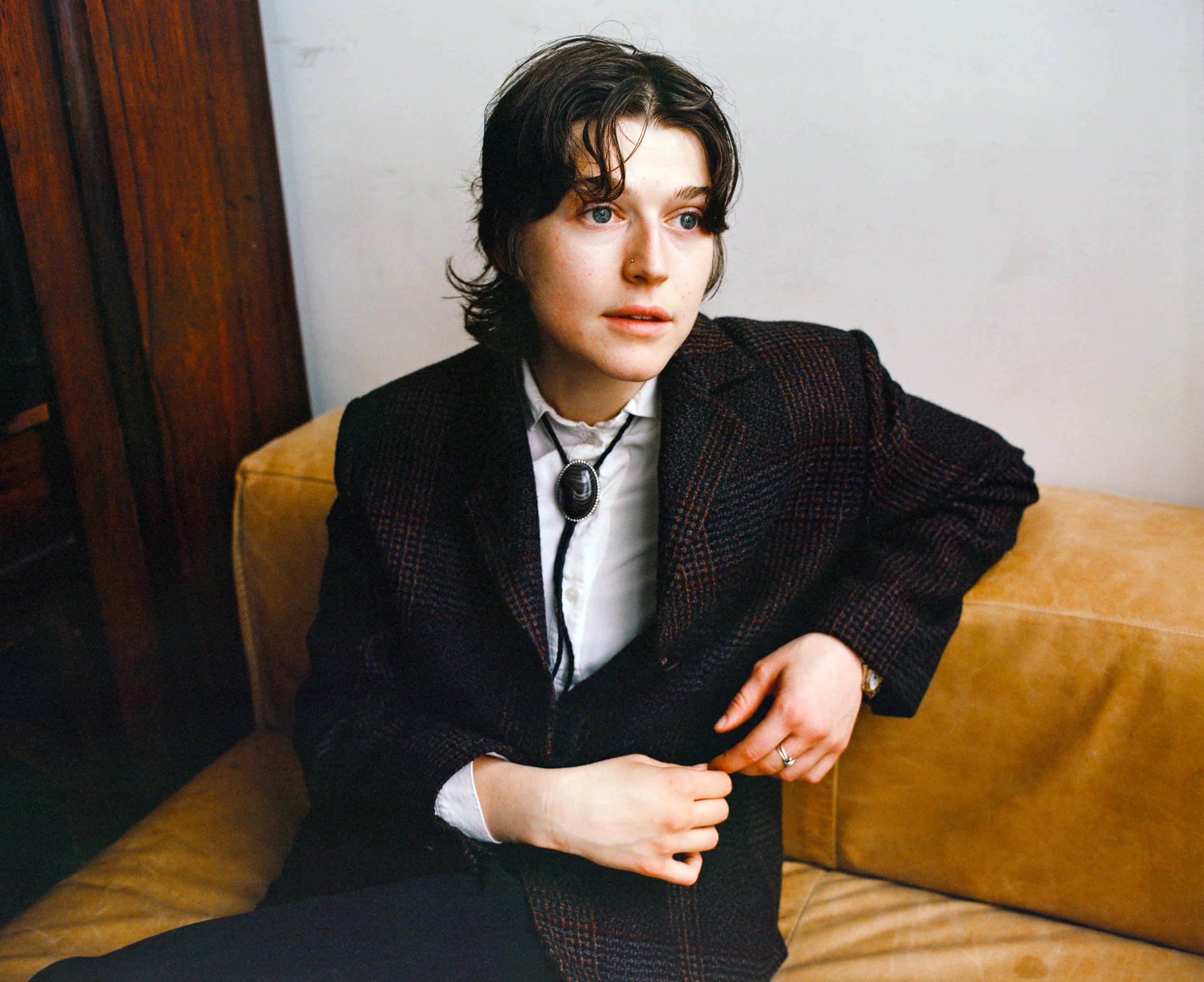
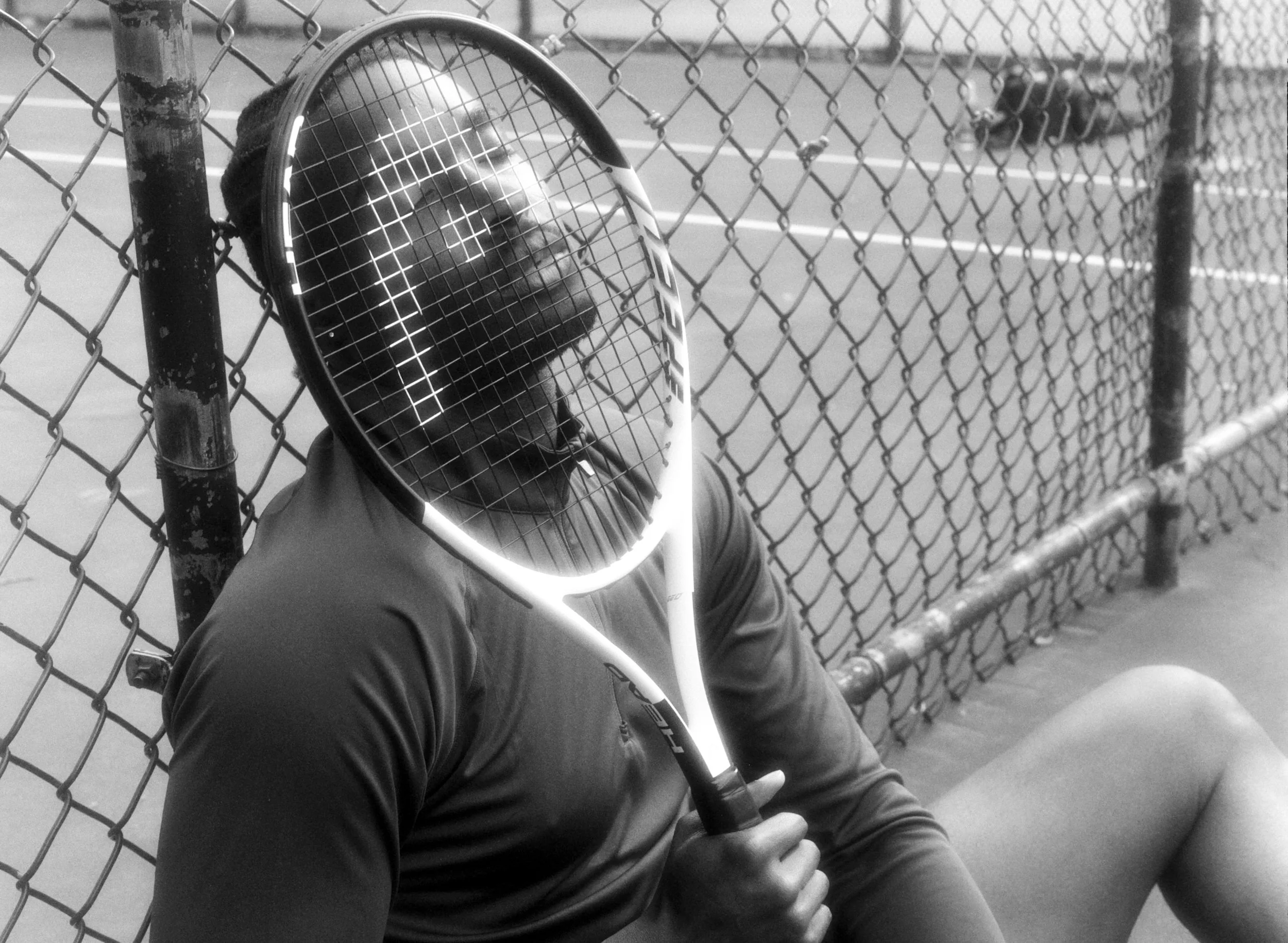
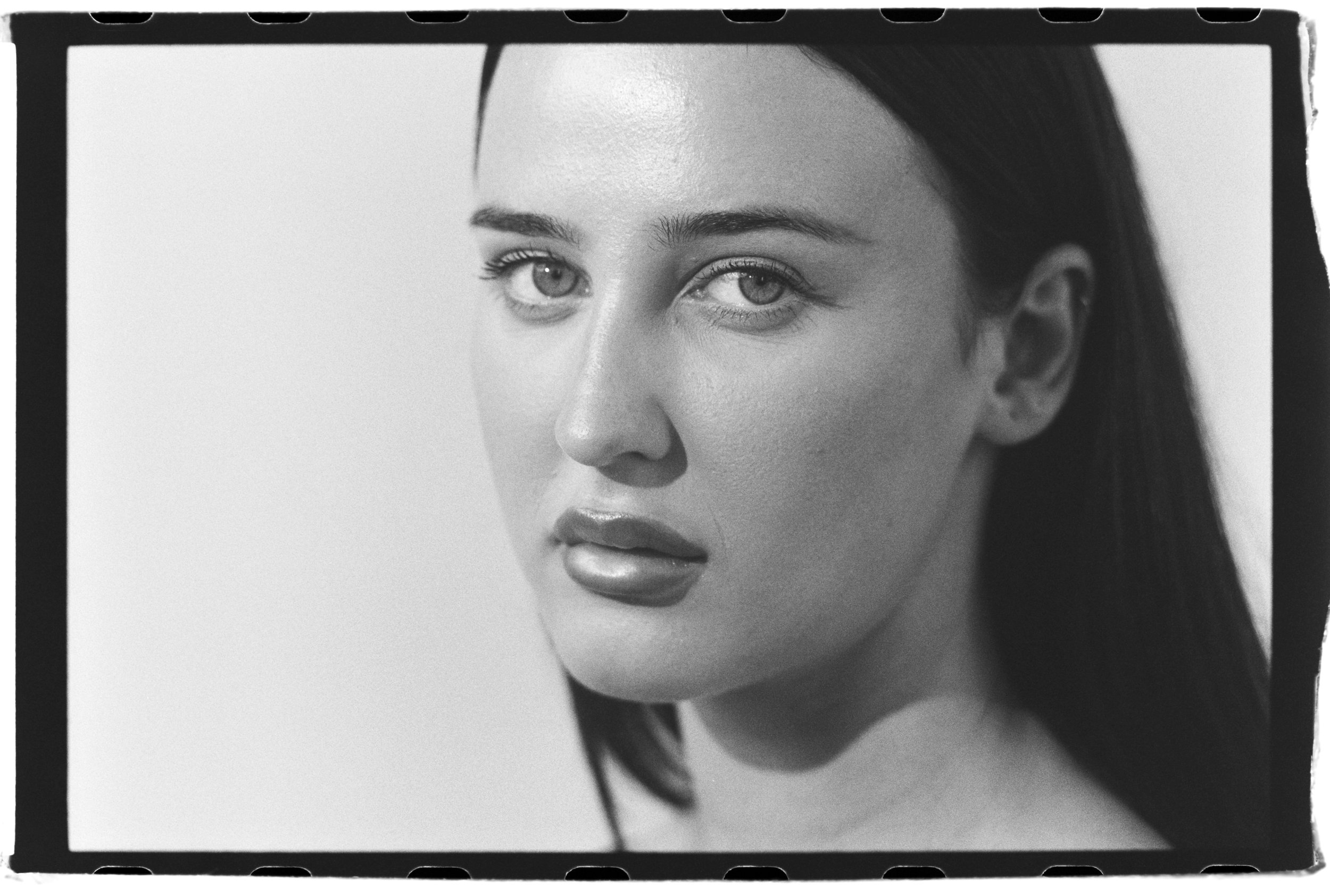
120 film is probably the format I return to most because of the way it renders people. The larger negative gives photographs a depth, softness, and level of detail that feels very different from 35mm, while still retaining the texture and unpredictability that make film so compelling.
I love the slower pace of working with medium format. There are fewer frames, the cameras tend to be more deliberate, and every exposure asks for a little more attention. That changes the way I photograph and often changes the way the person in front of the camera responds as well.
The result can feel both incredibly detailed and strangely intimate — especially in portraits. Skin, fabric, light, and subtle shifts in expression all seem to carry a little more weight.
For me, 120 sits in a sweet spot between precision and imperfection: high fidelity without feeling clinical, and beautiful detail without losing the character of film.
35mm film
S3
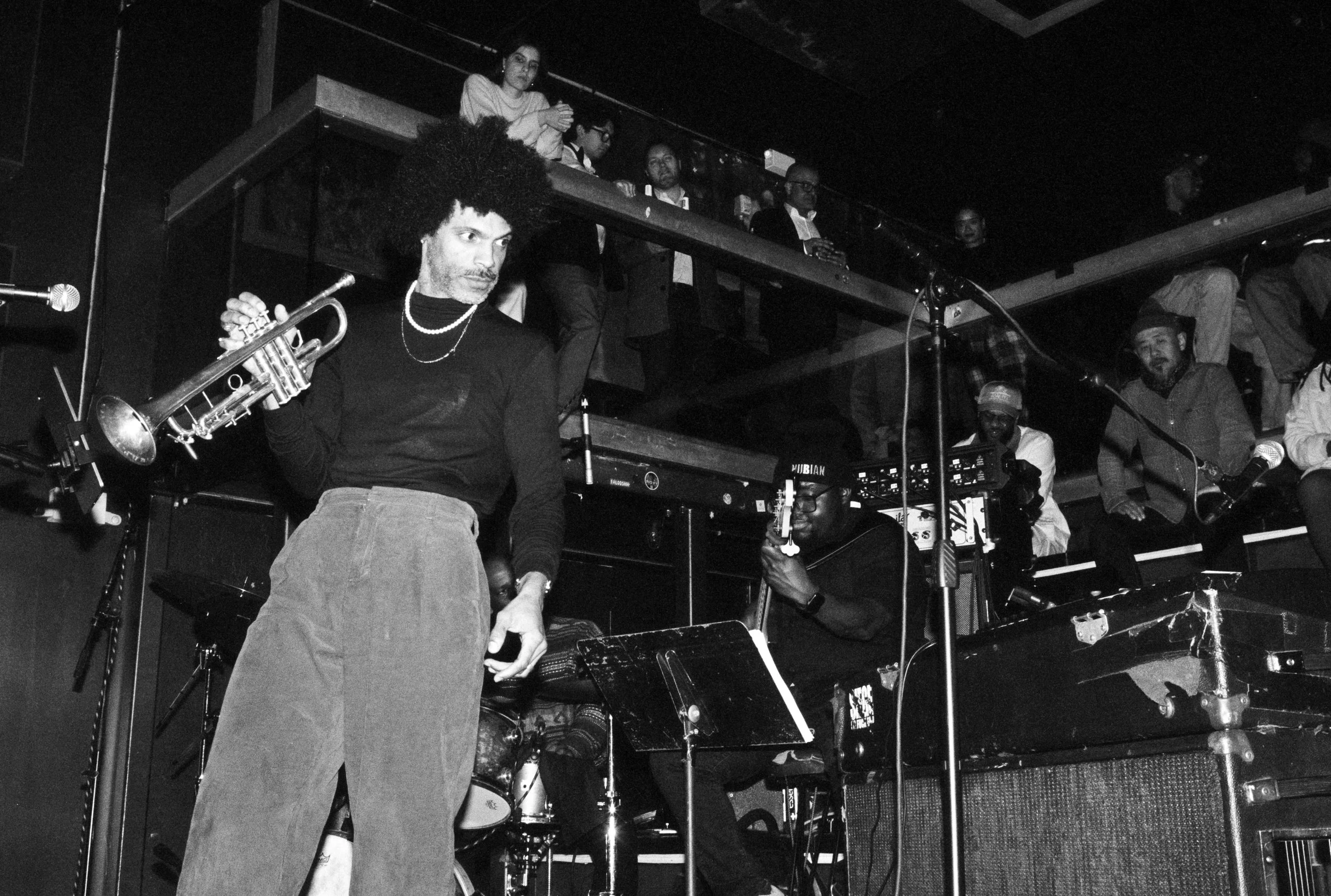
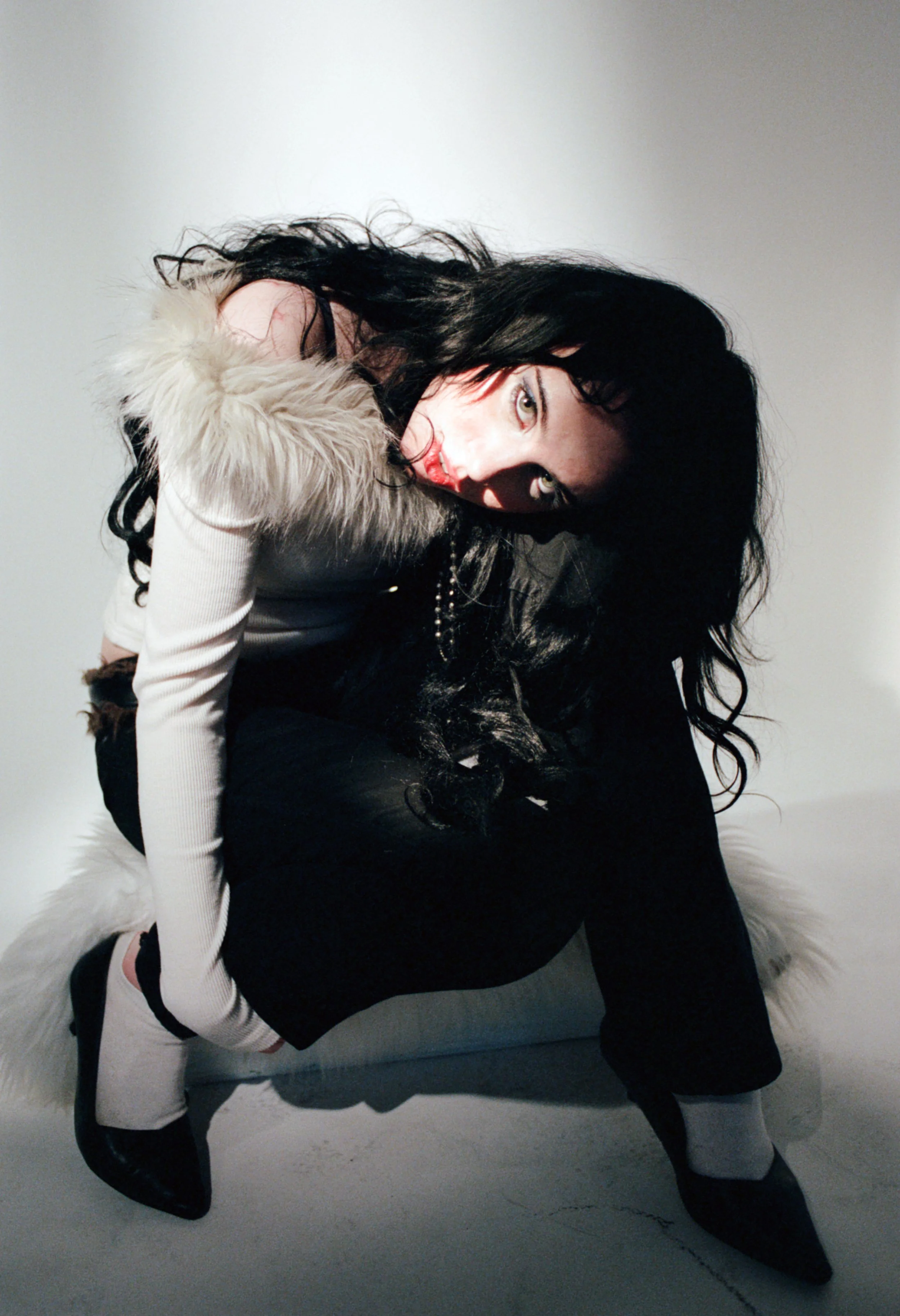
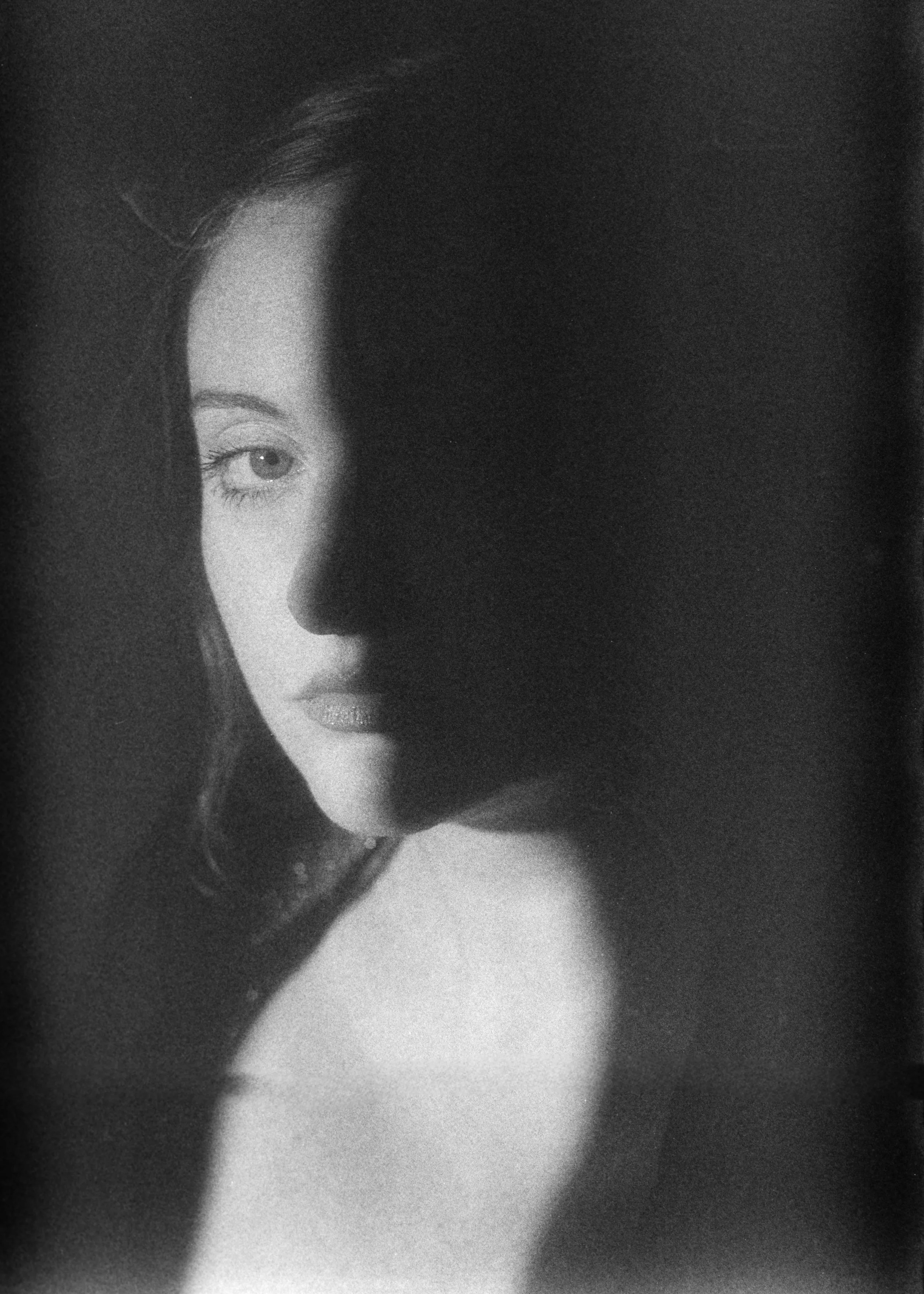
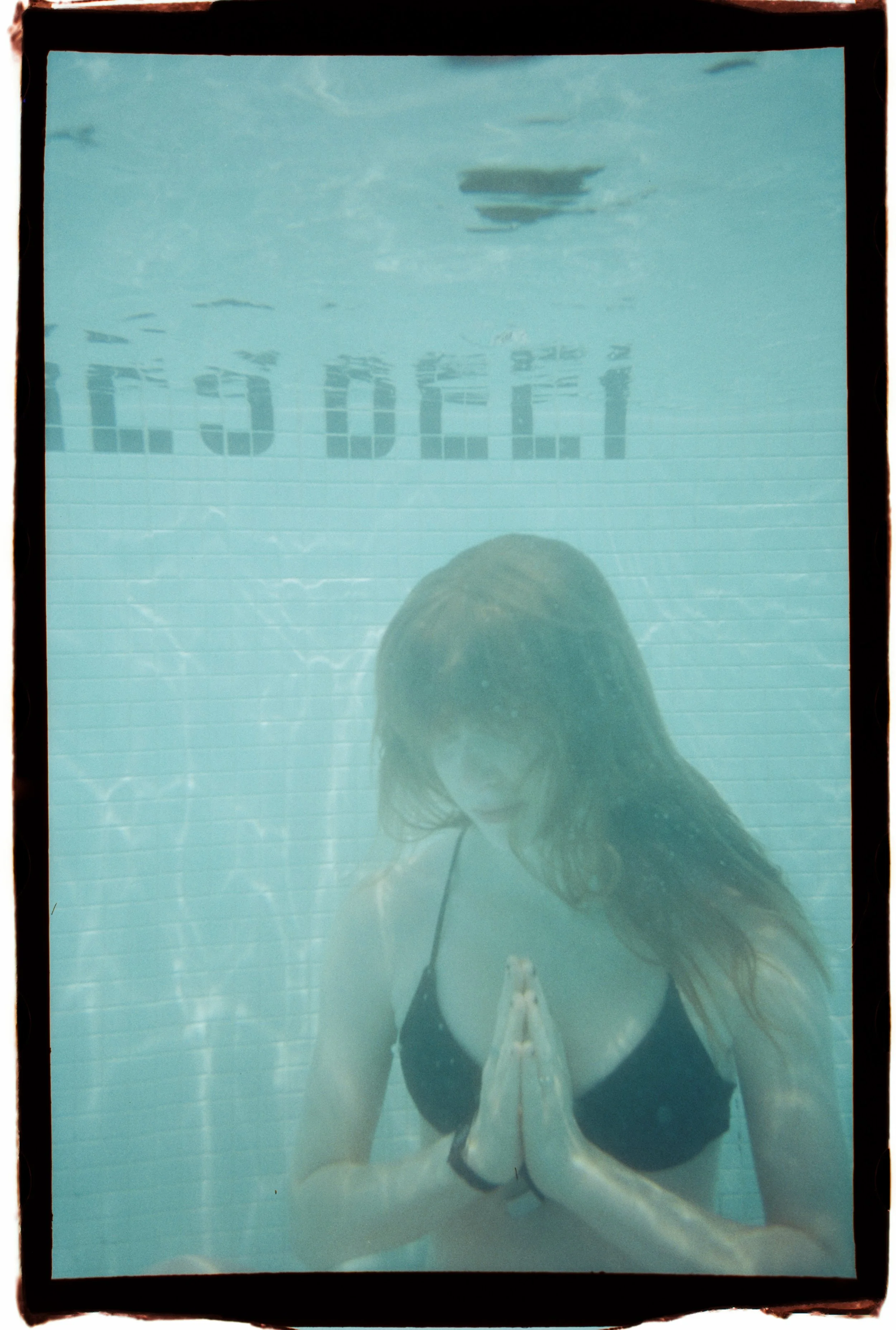
-
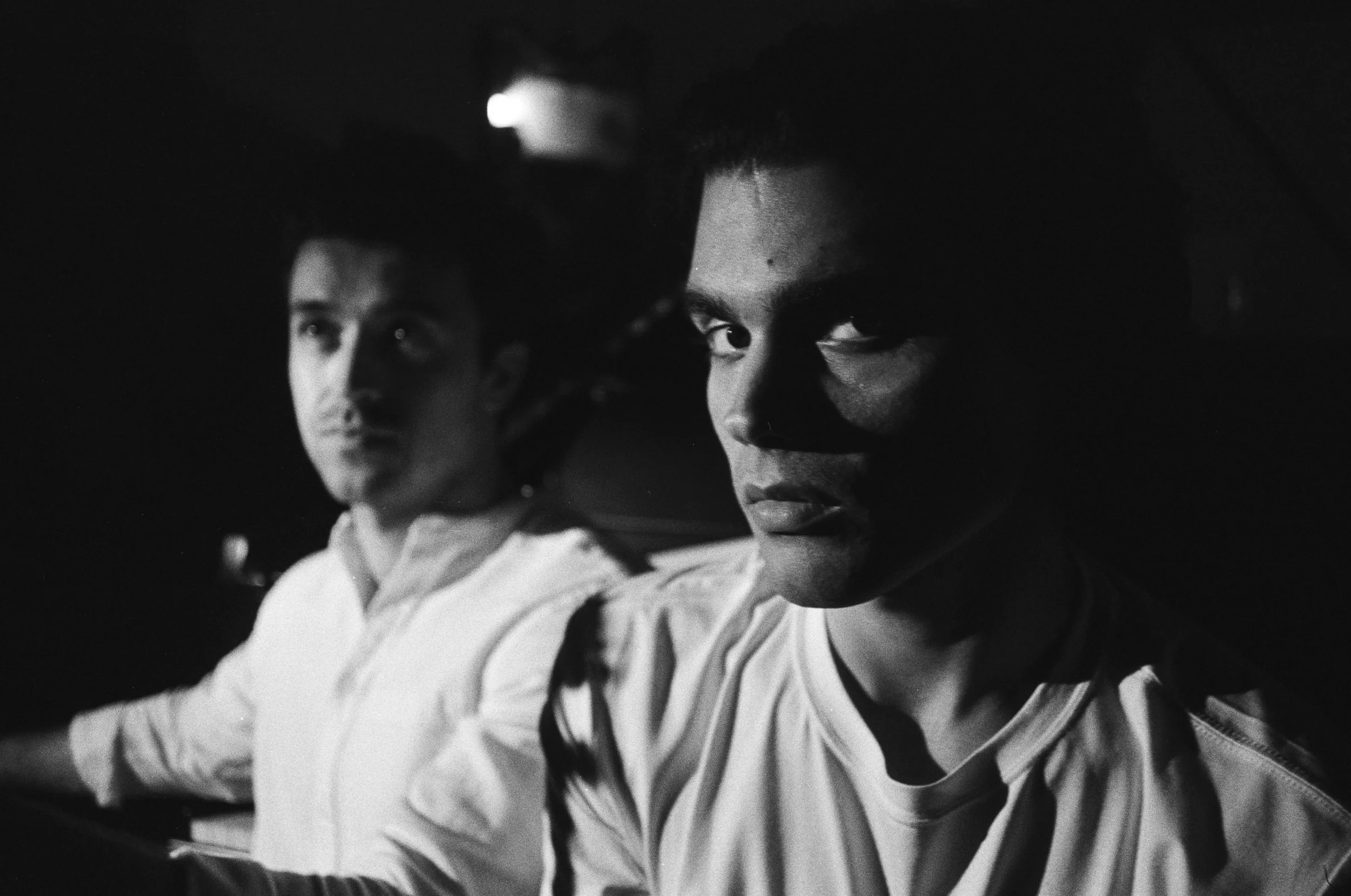
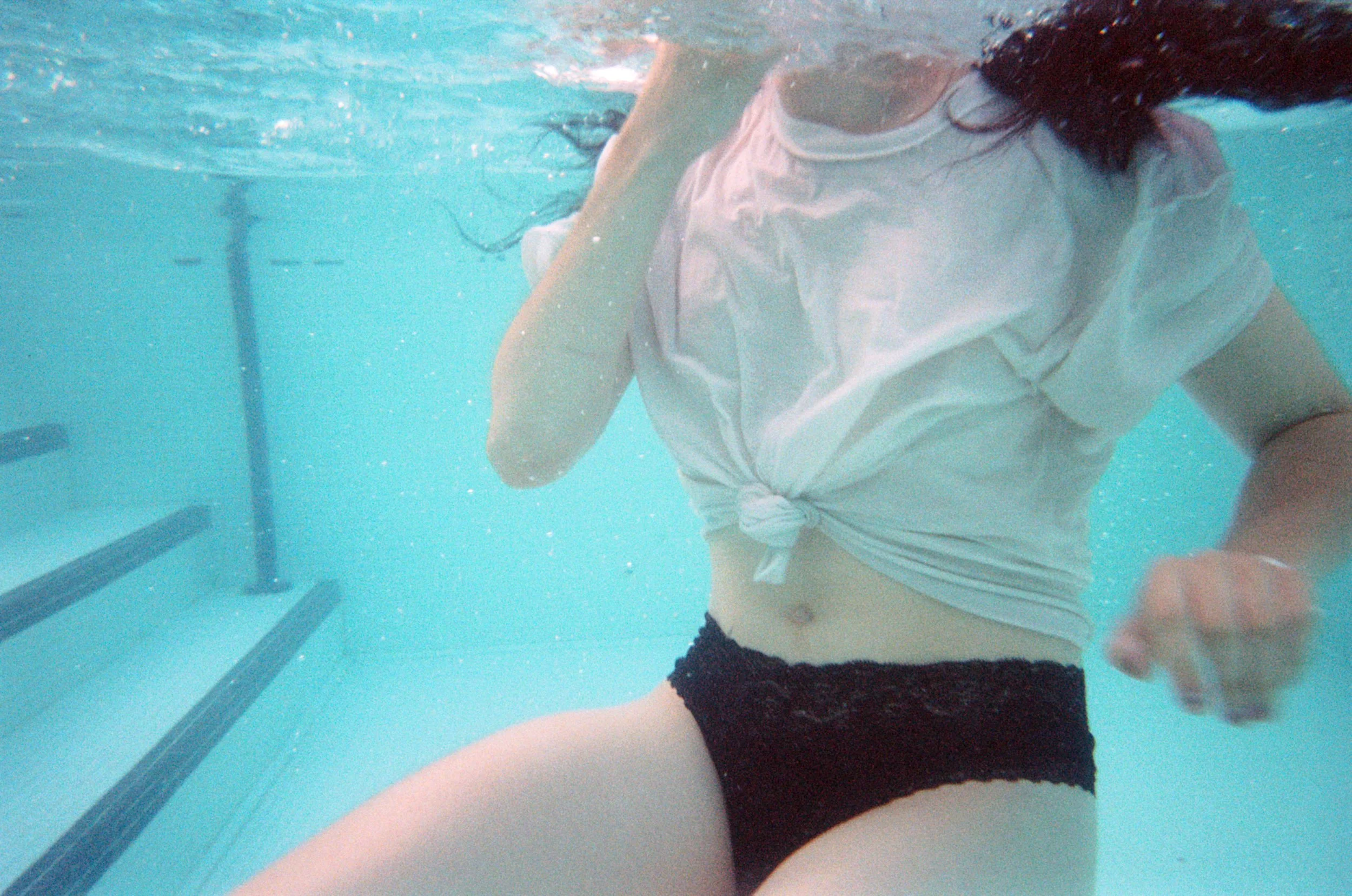
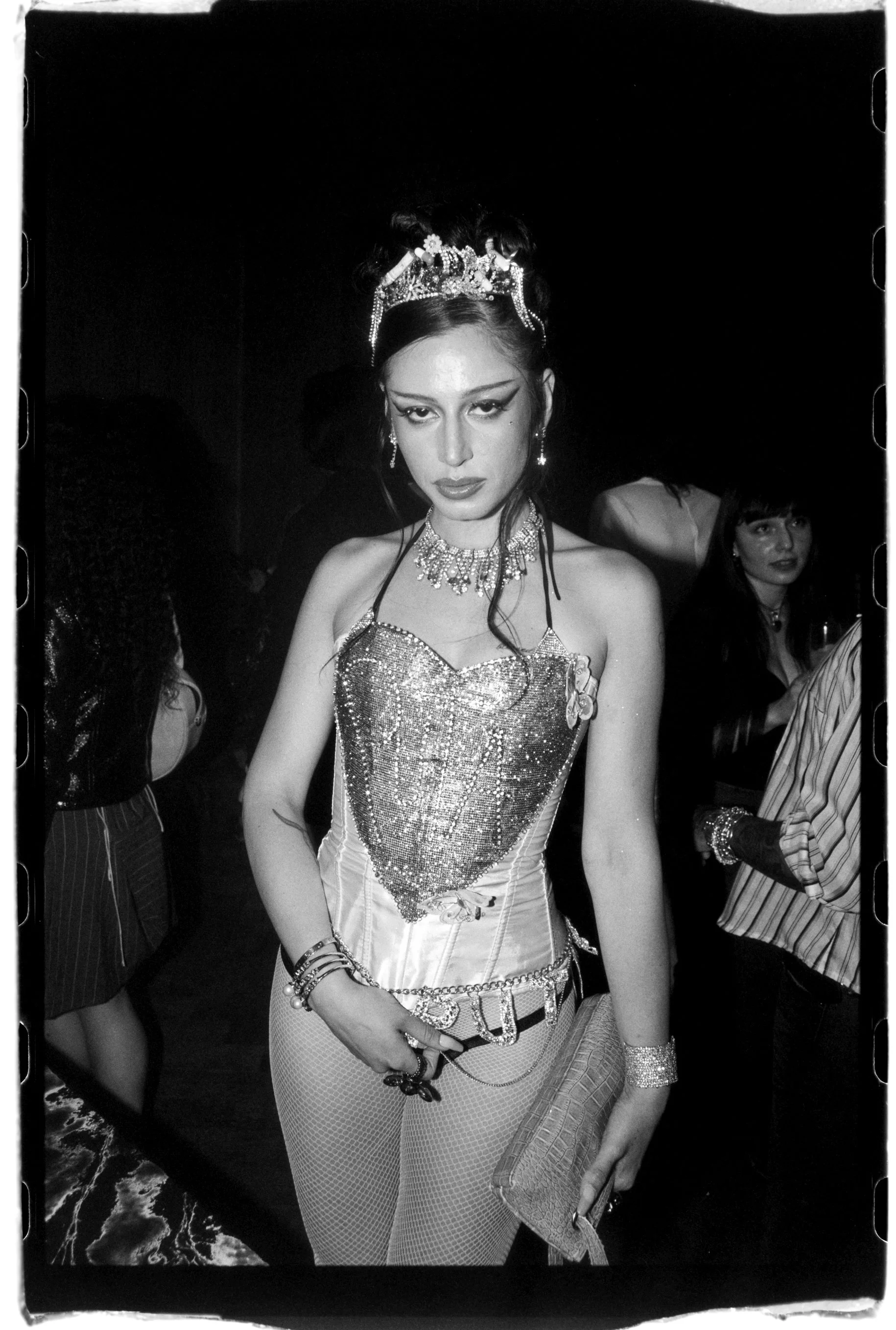
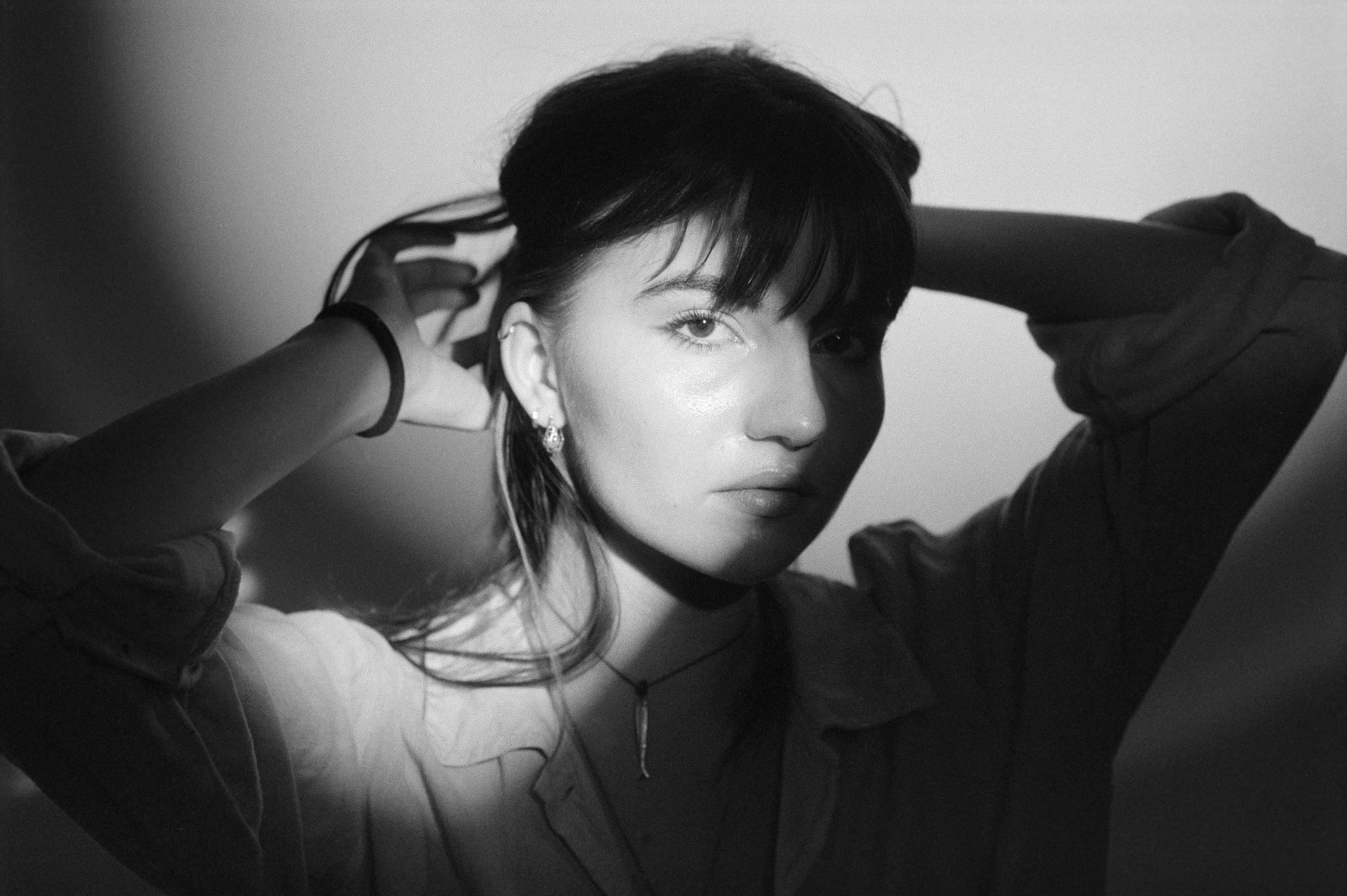
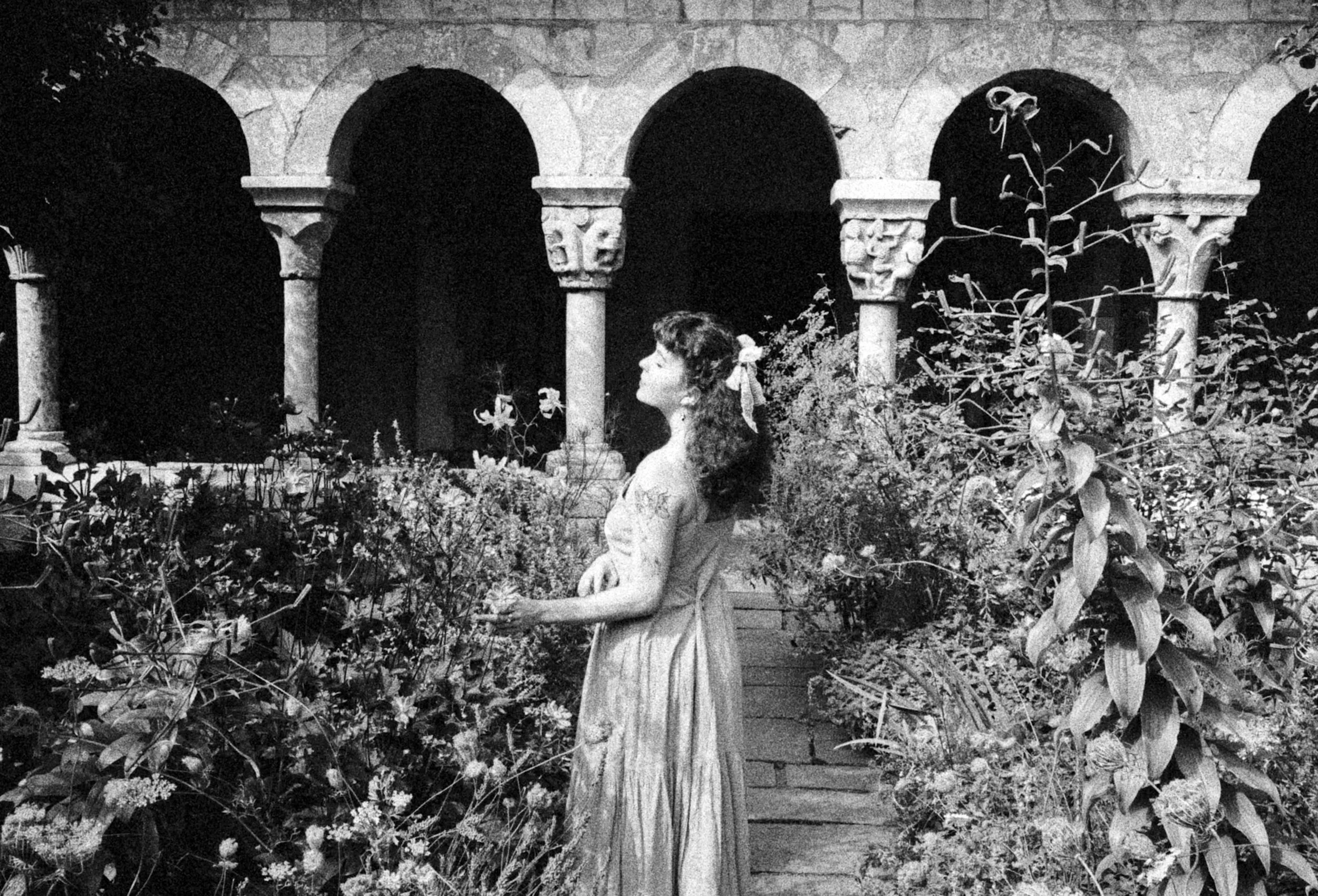
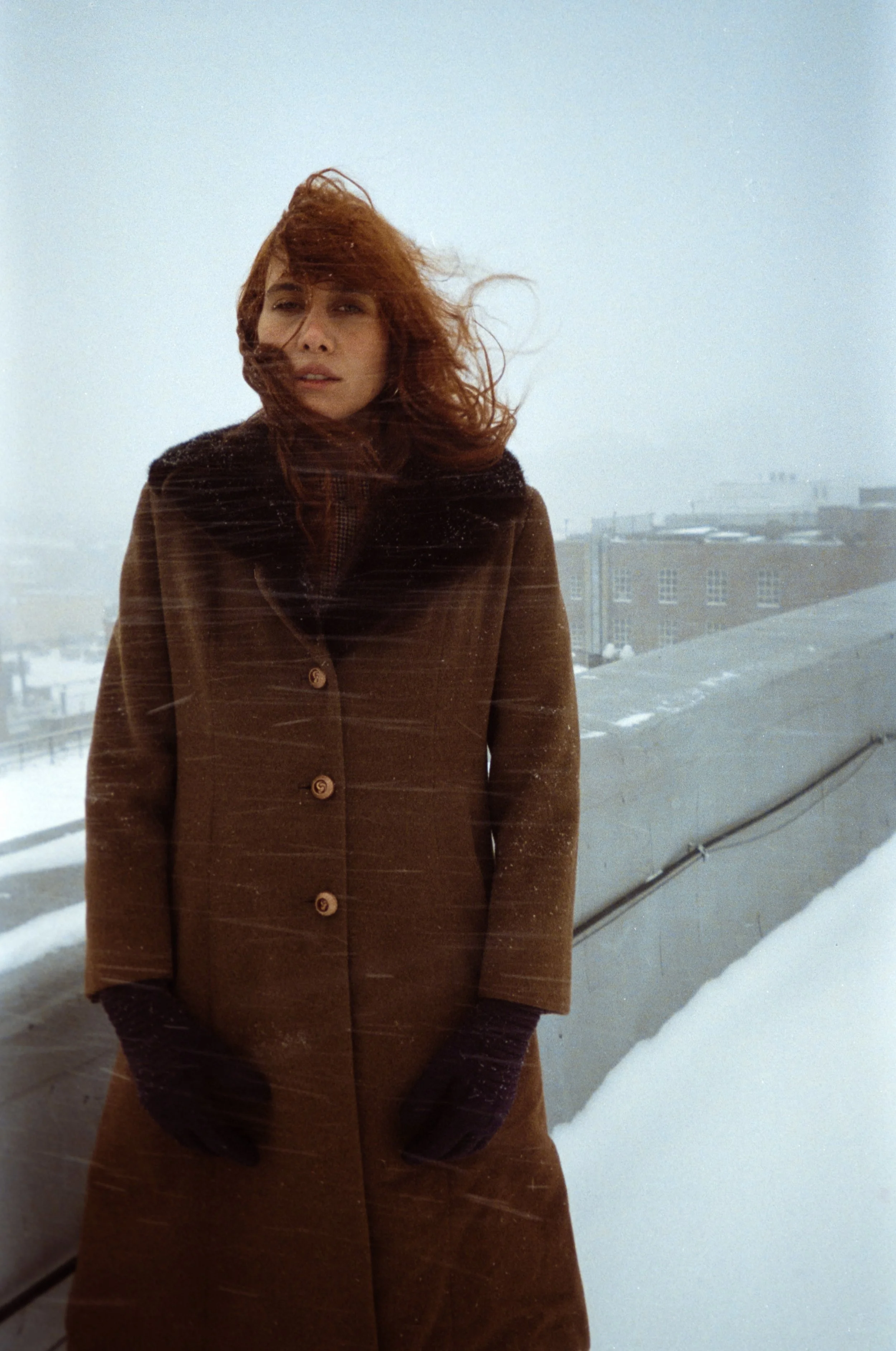
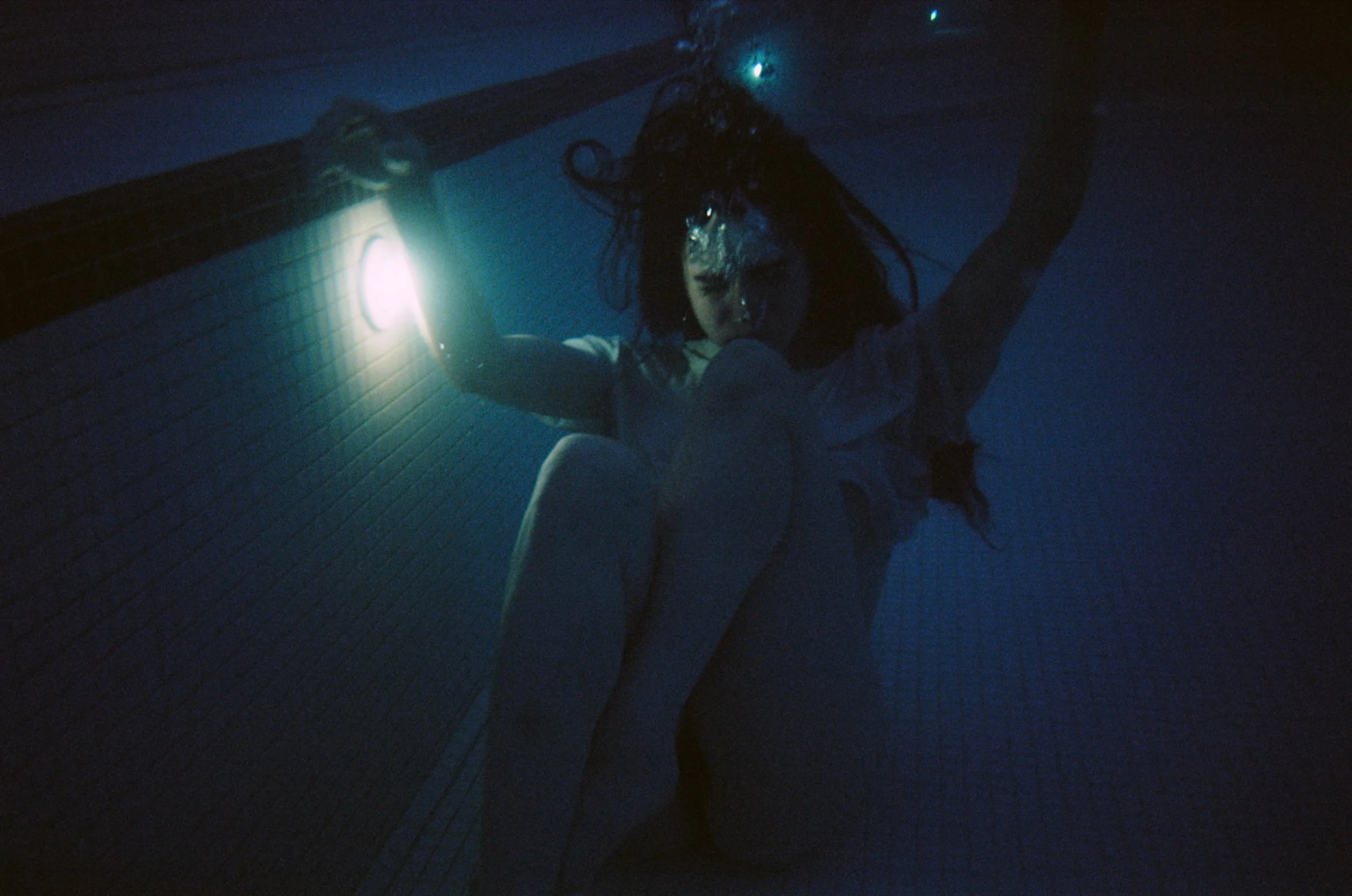
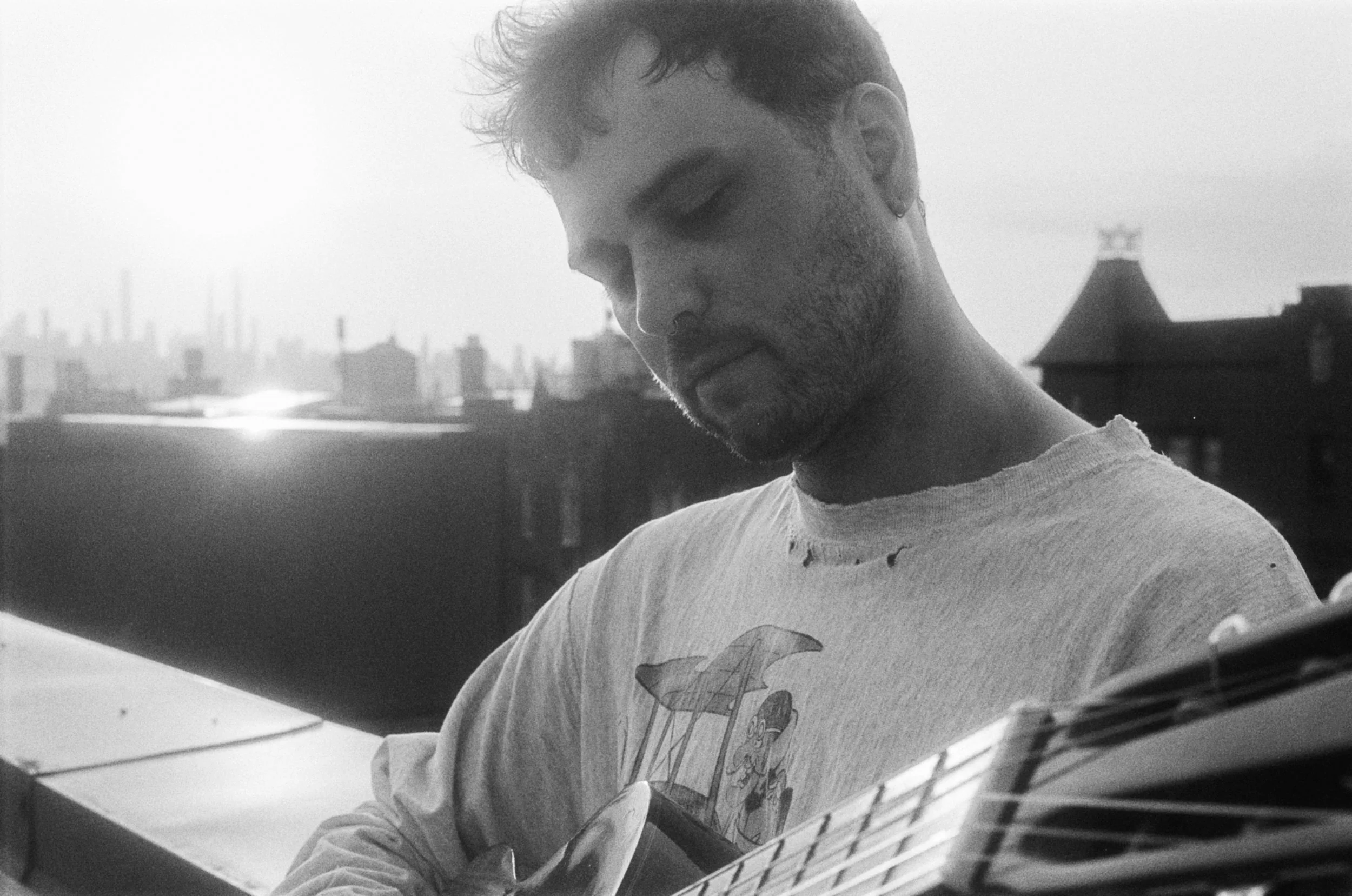
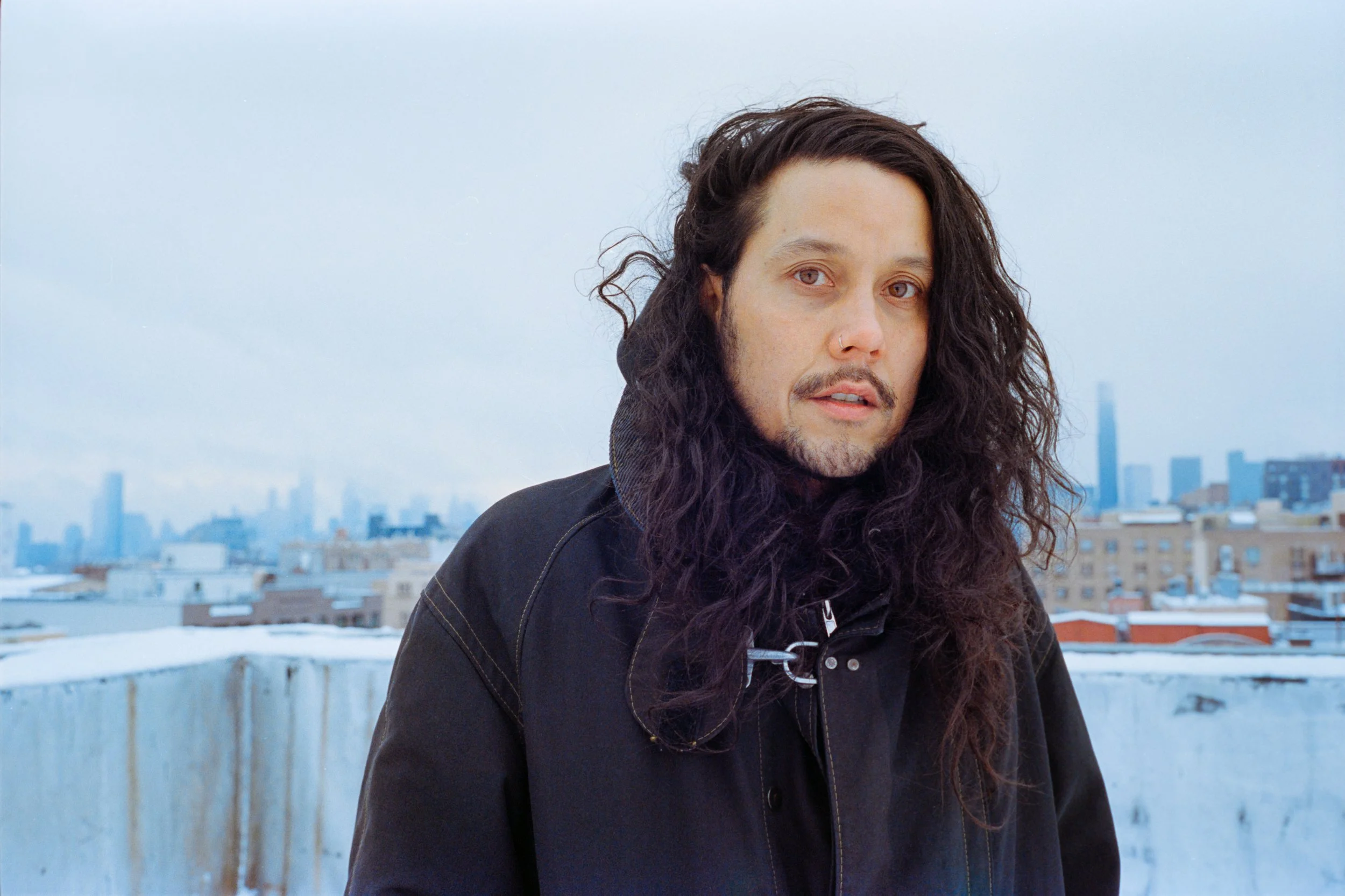
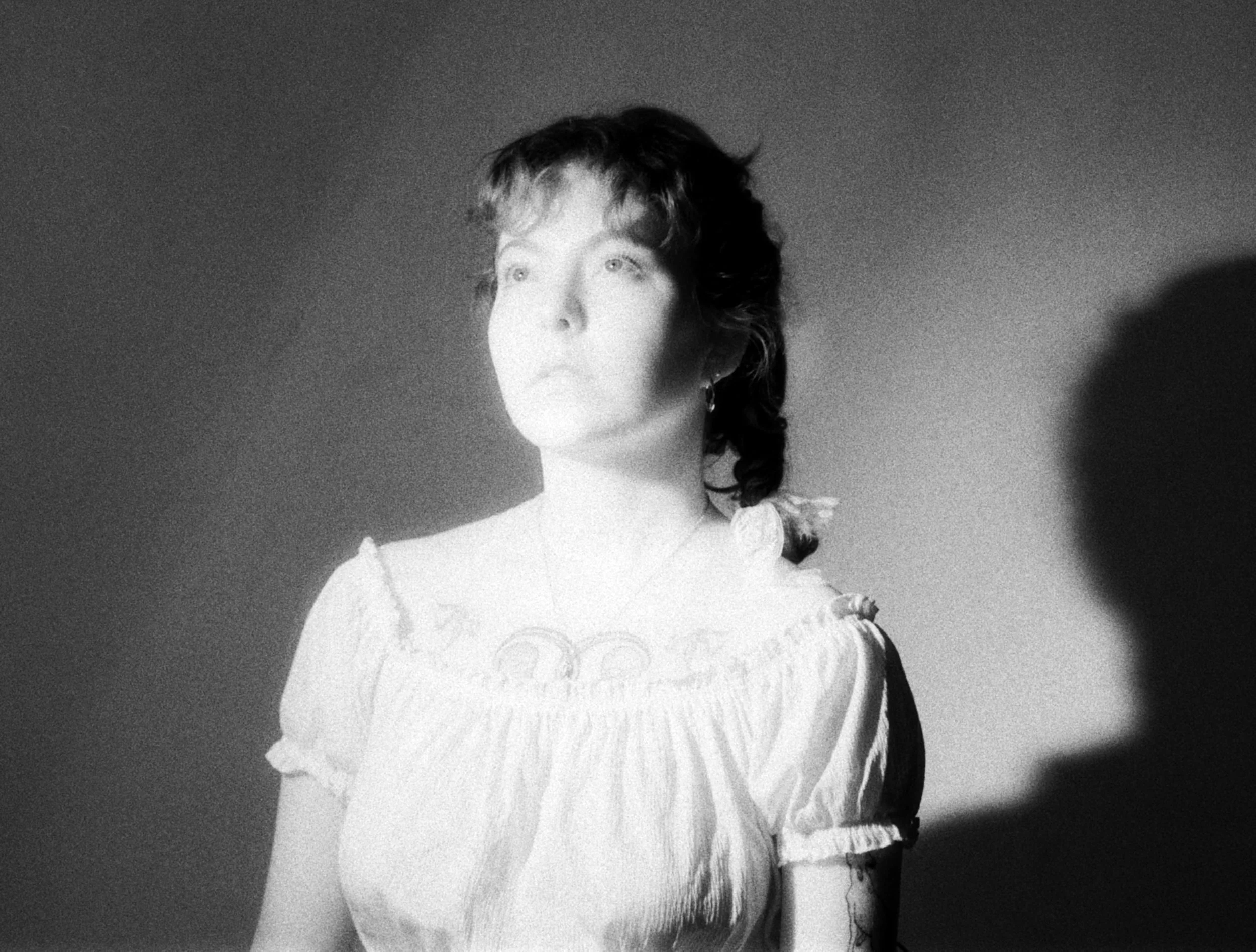
35mm has a completely different energy. It’s faster, looser, and more instinctive — the format I reach for when I want to follow a moment rather than control it.
I love the grain, the movement, and the way 35mm can hold onto the atmosphere of a place. It allows me to shoot more freely and react to small gestures, expressions, and accidents as they happen.
Compared with medium format, it can feel a little rougher and less polished, but that’s exactly what makes it special. There’s an immediacy to it that often makes the photographs feel more lived-in, spontaneous, and honest.
For me, 35mm is about energy over perfection.
Digitals
S4
-
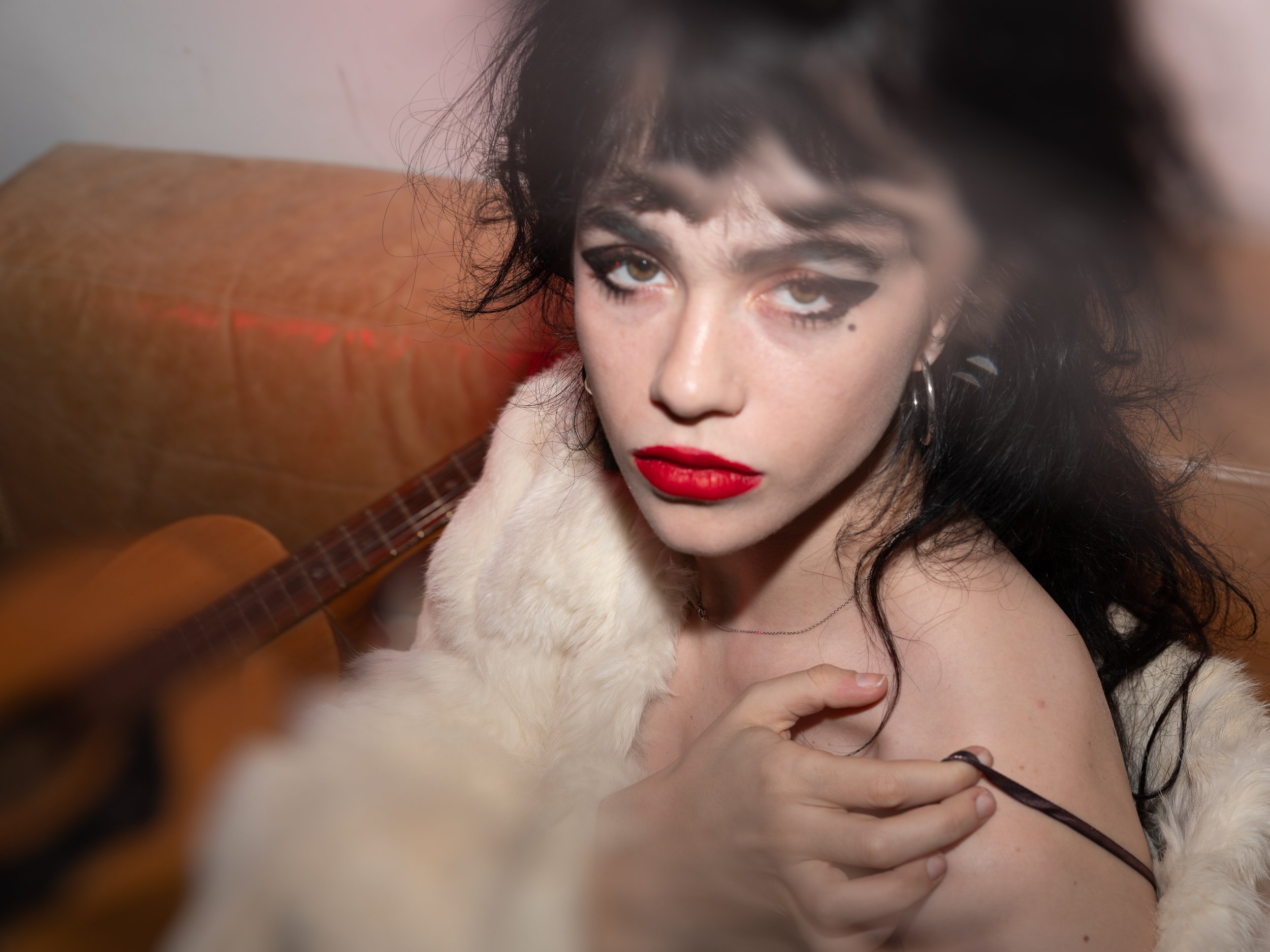
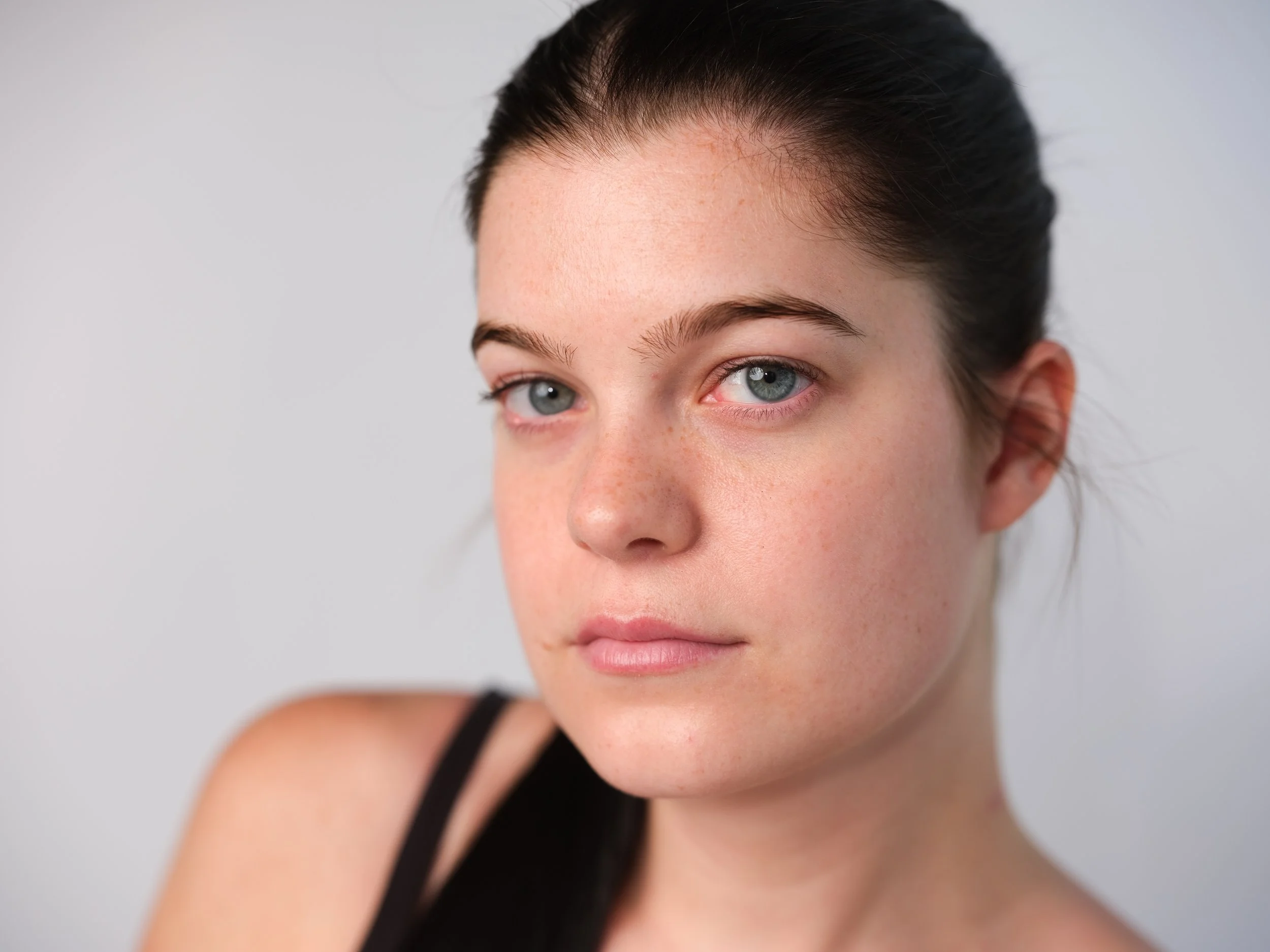
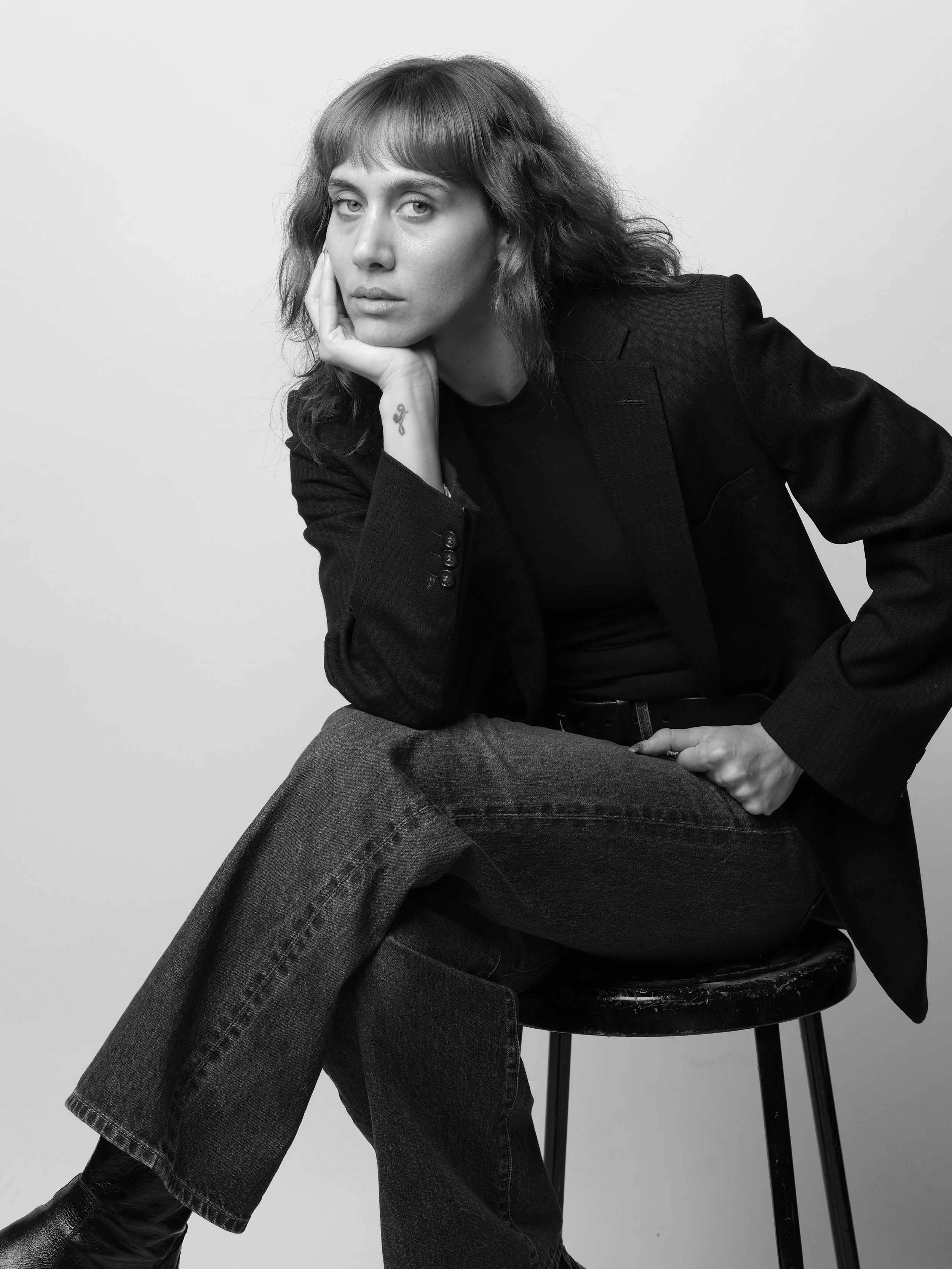
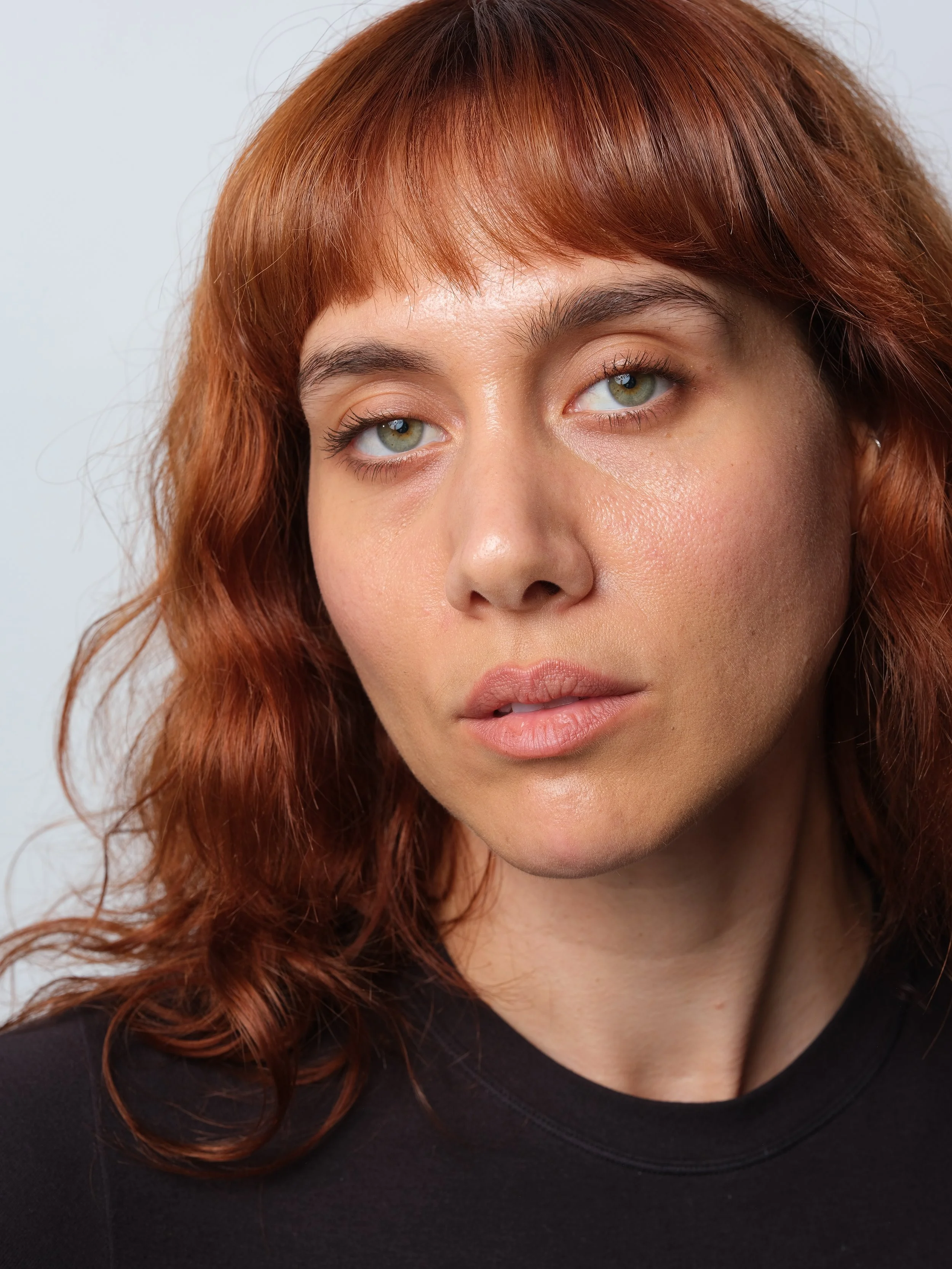
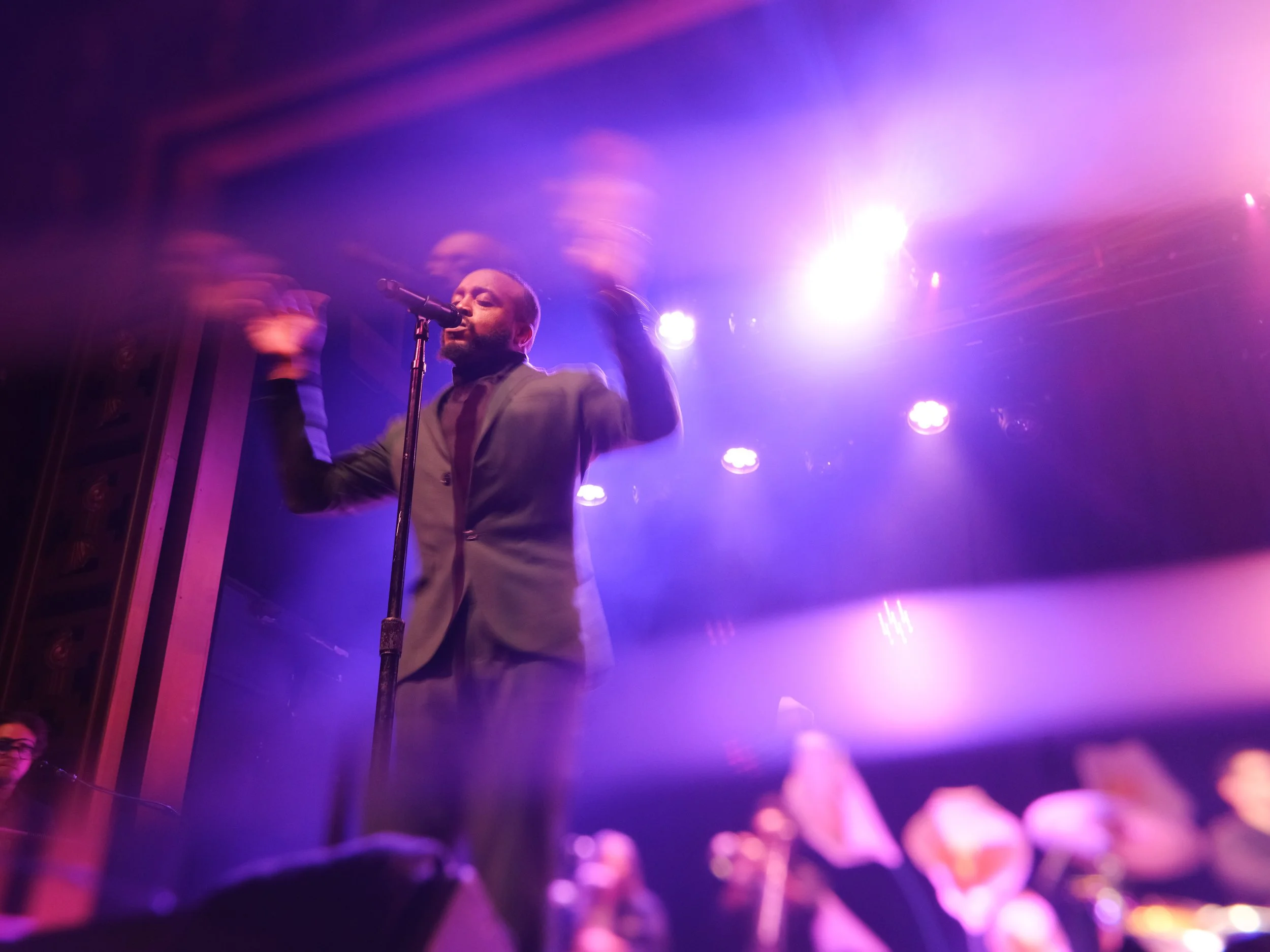
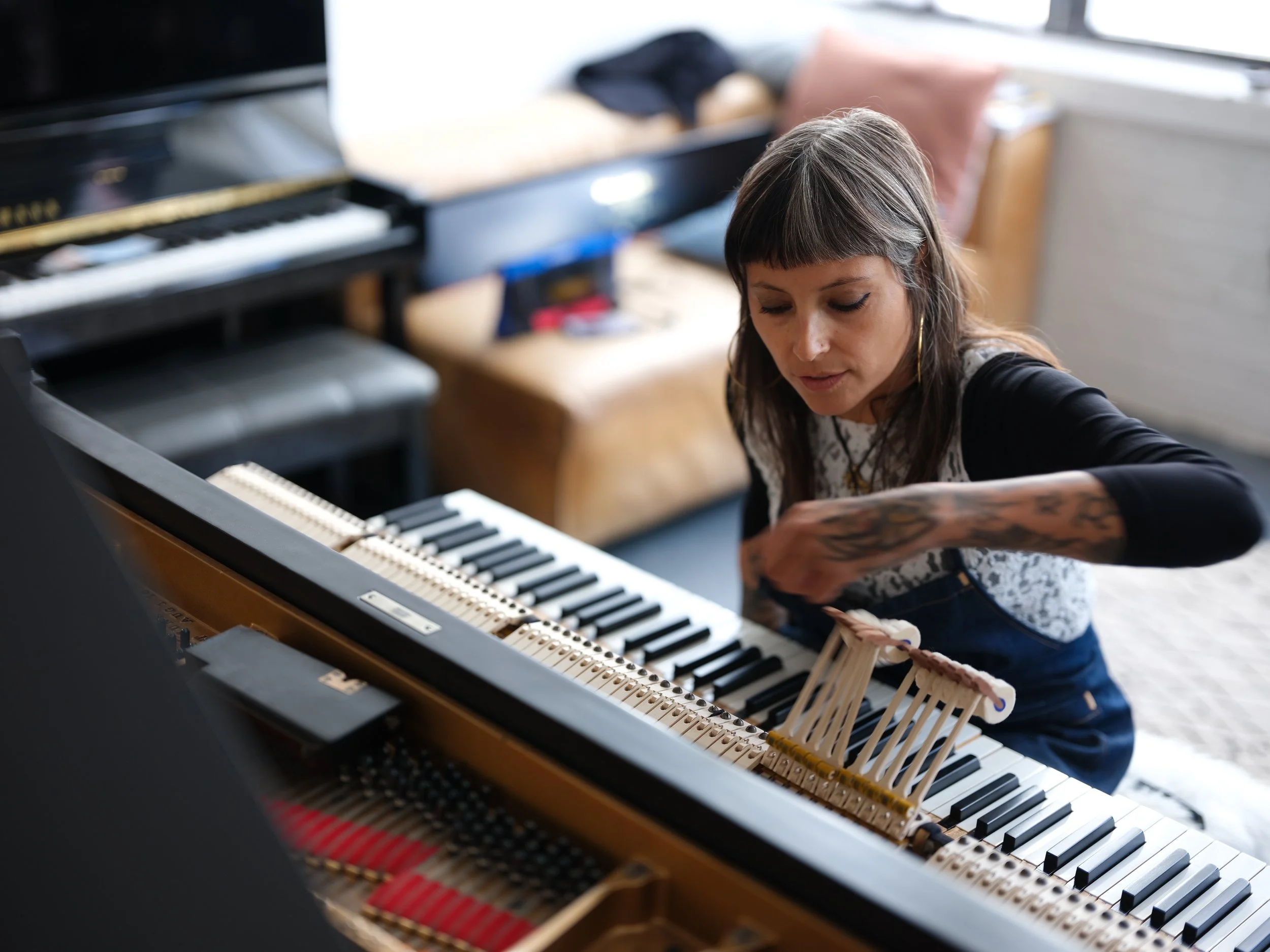
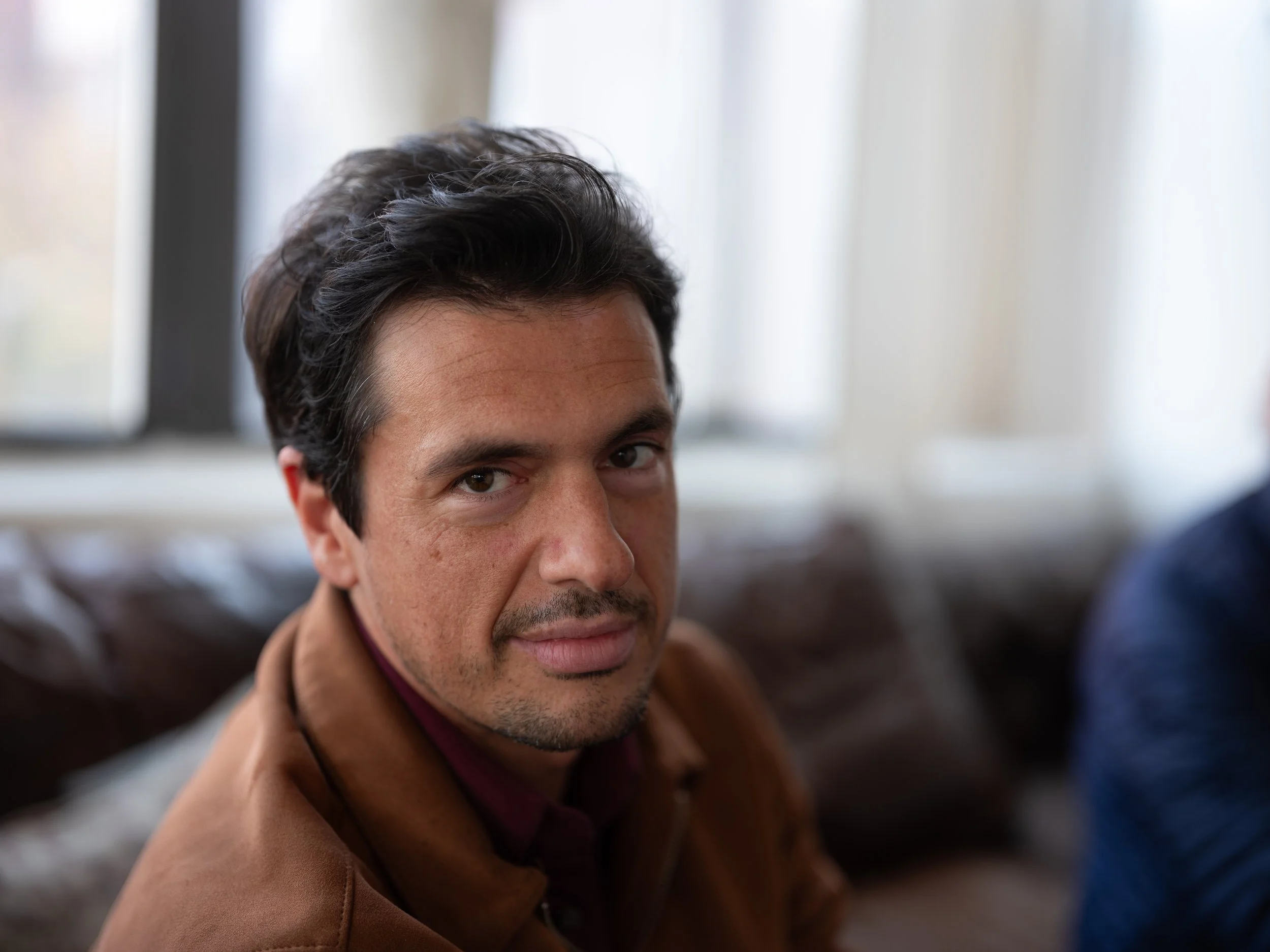
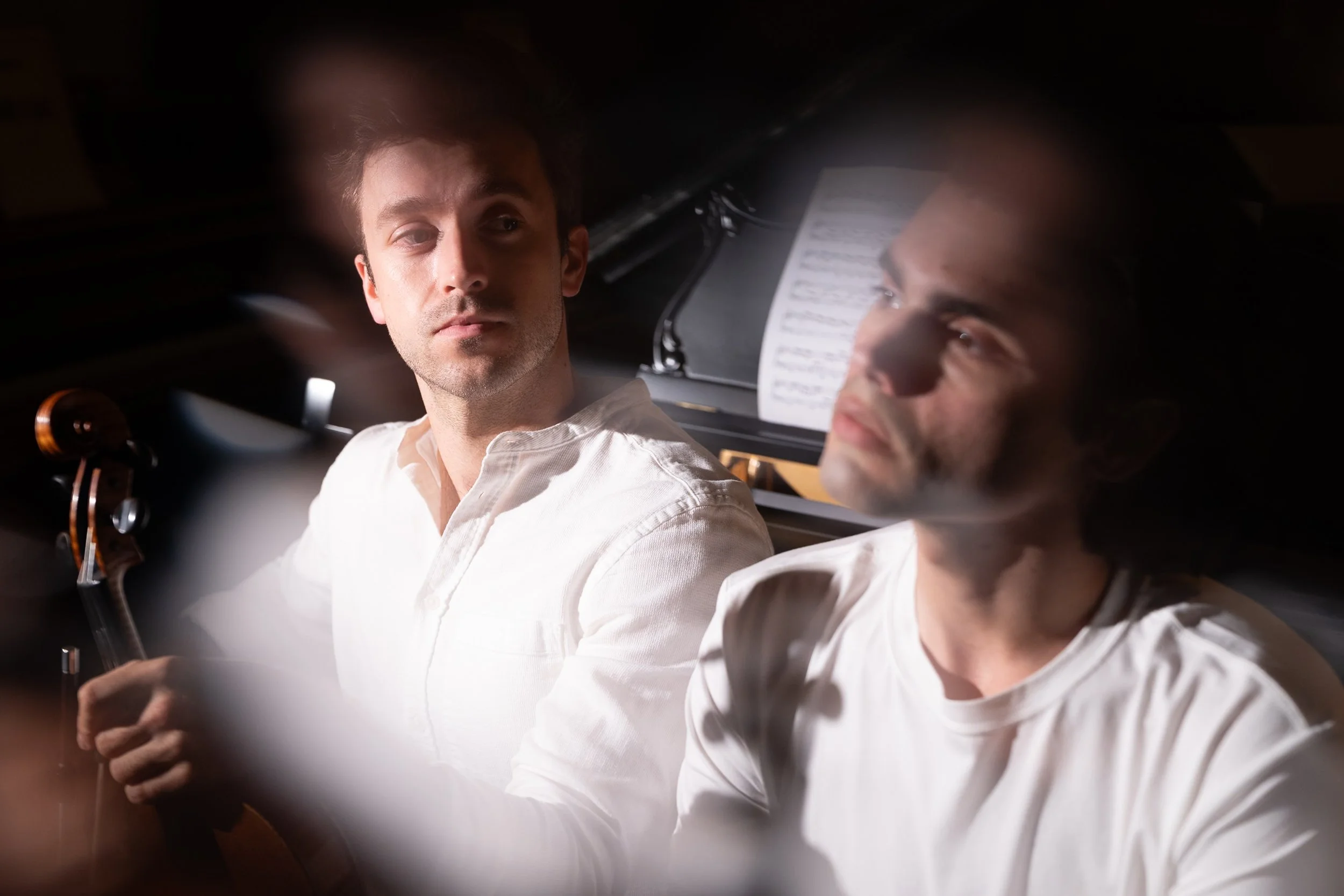
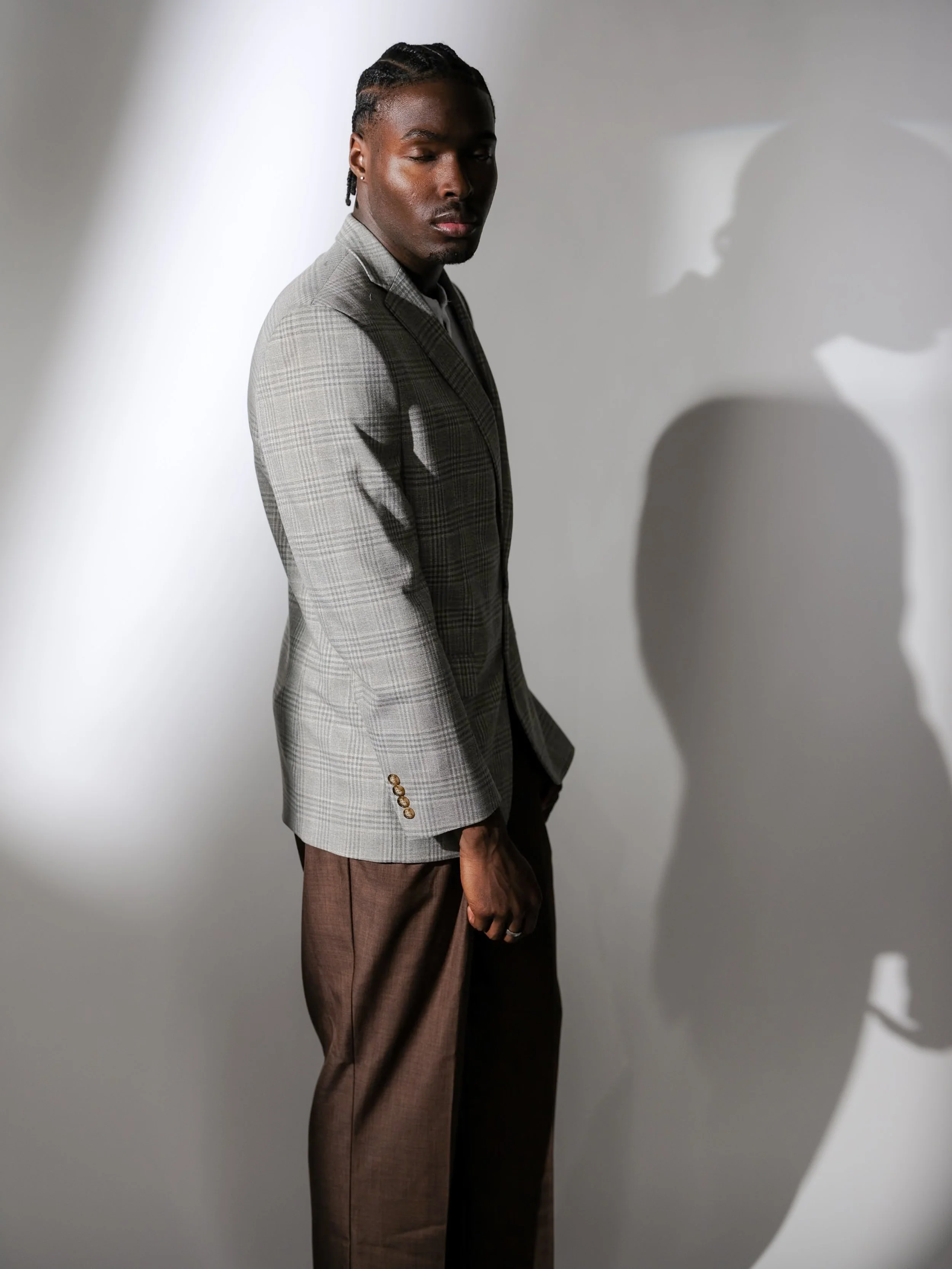
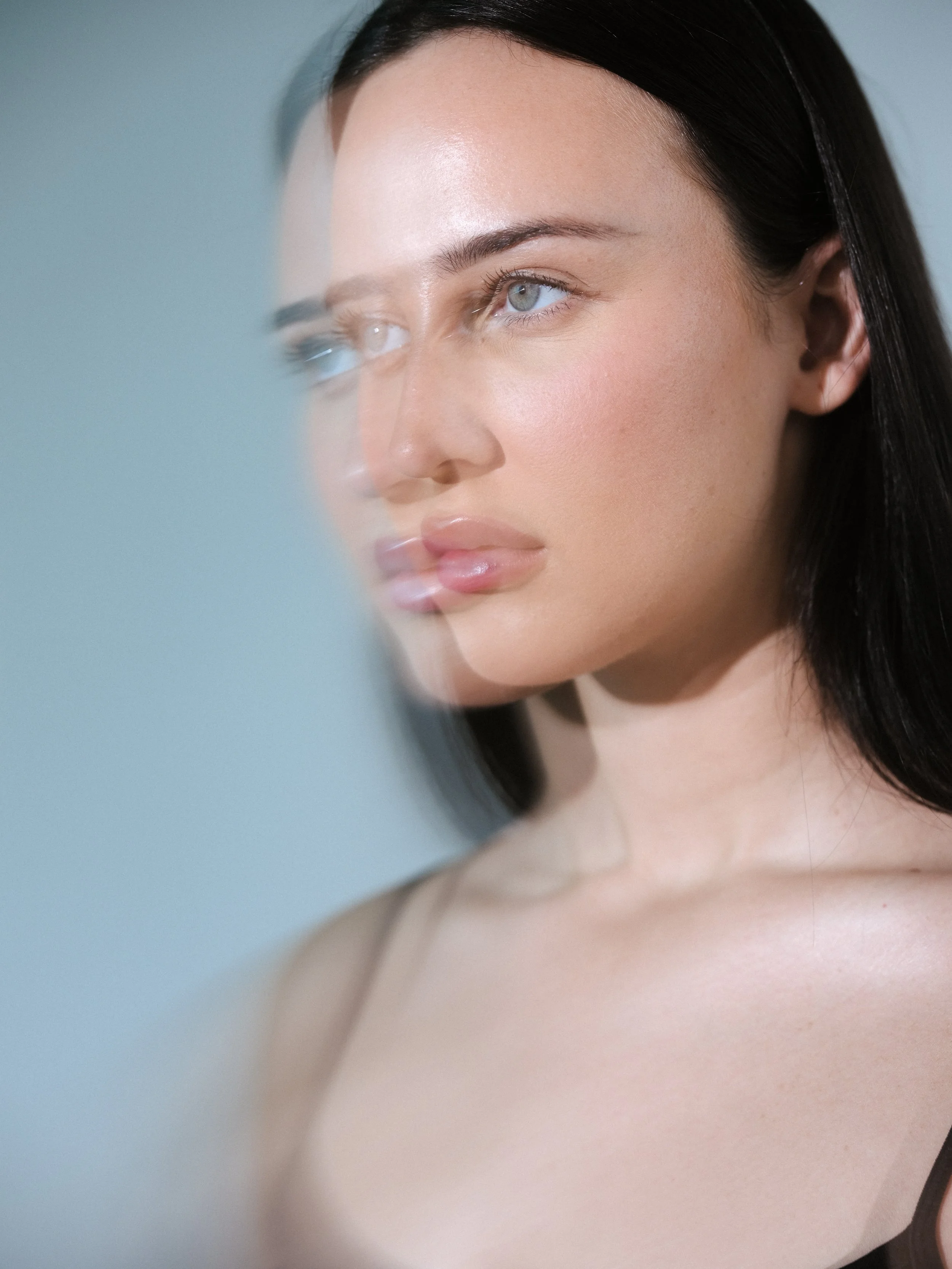
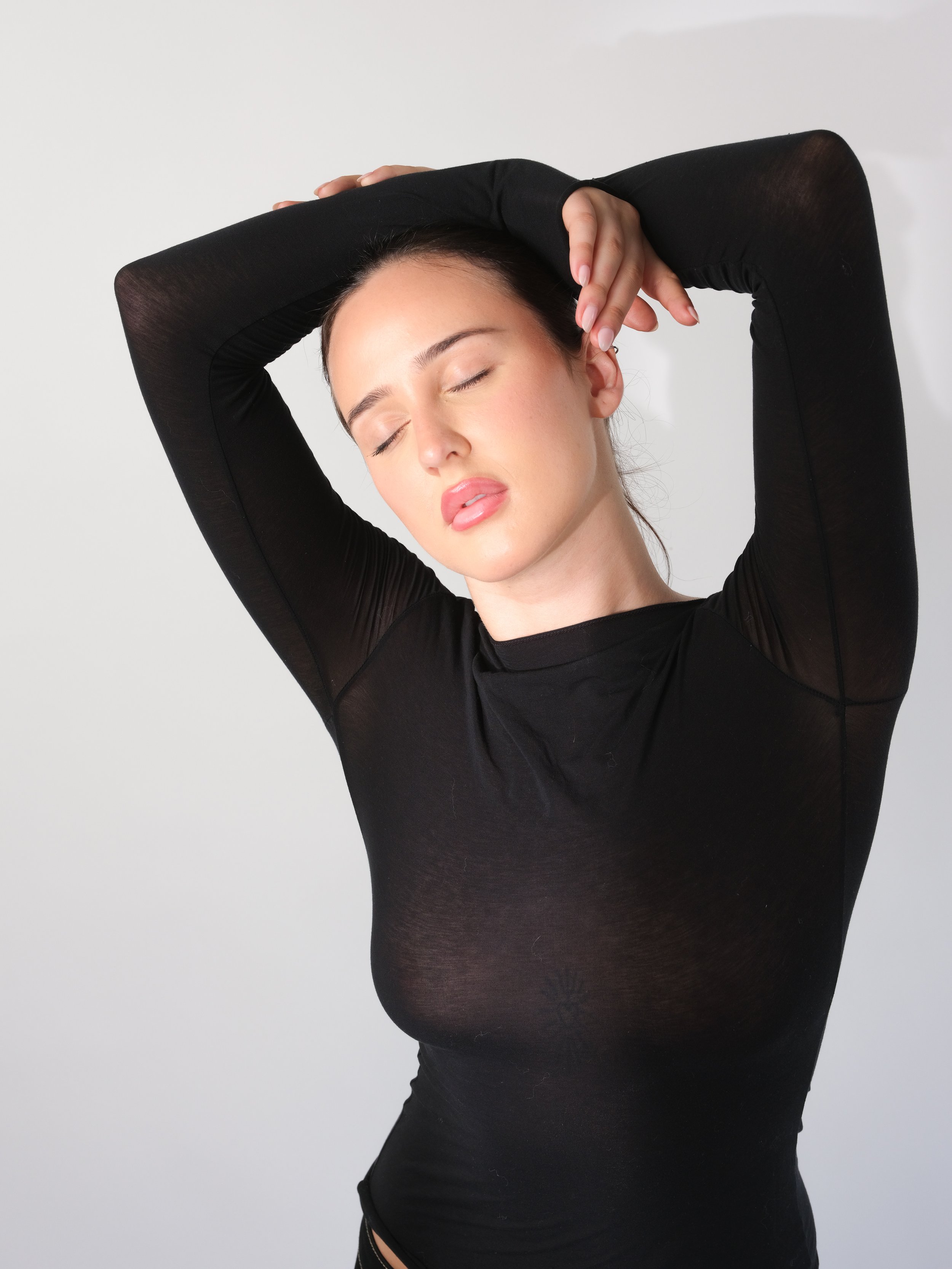
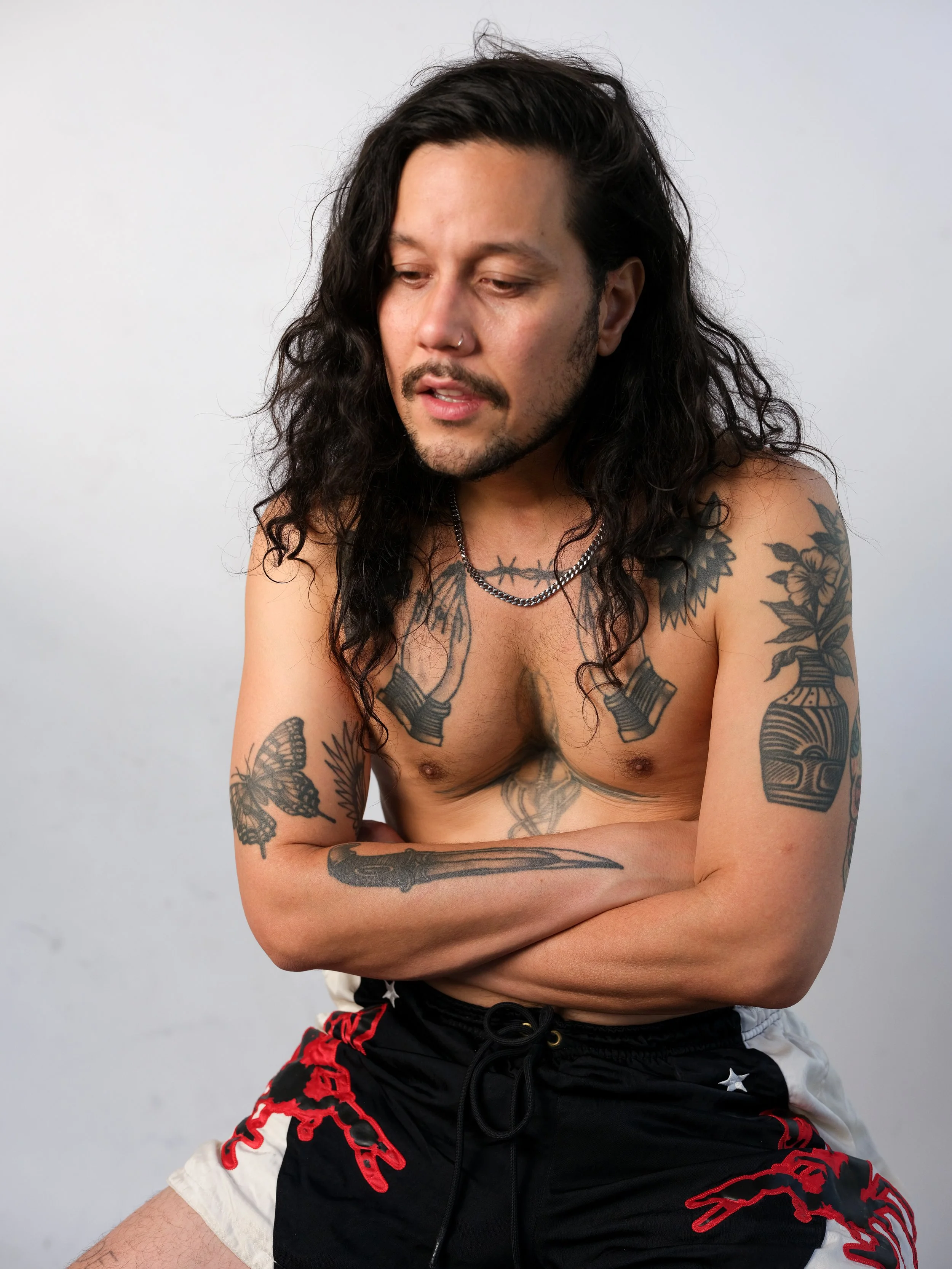
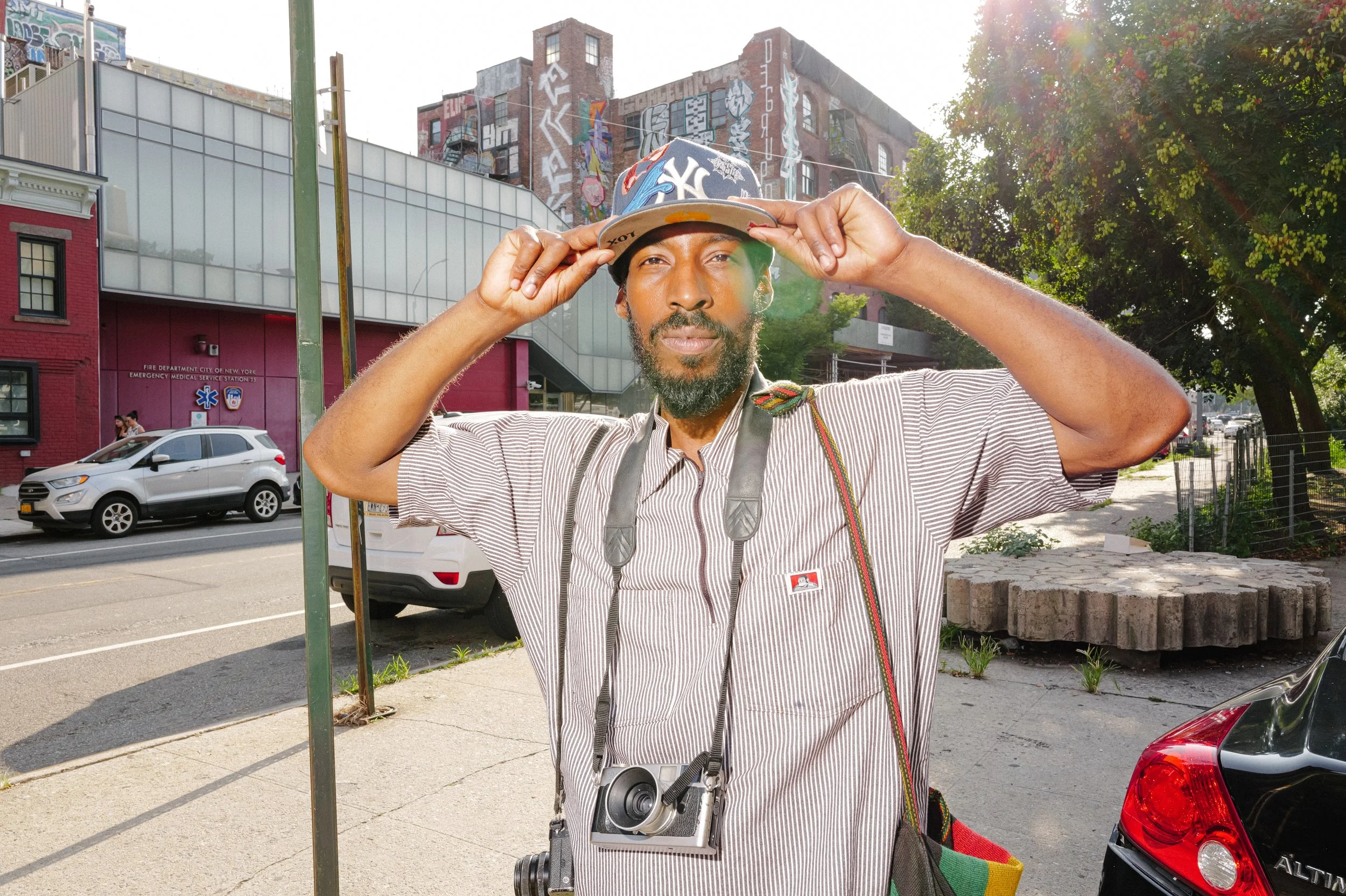
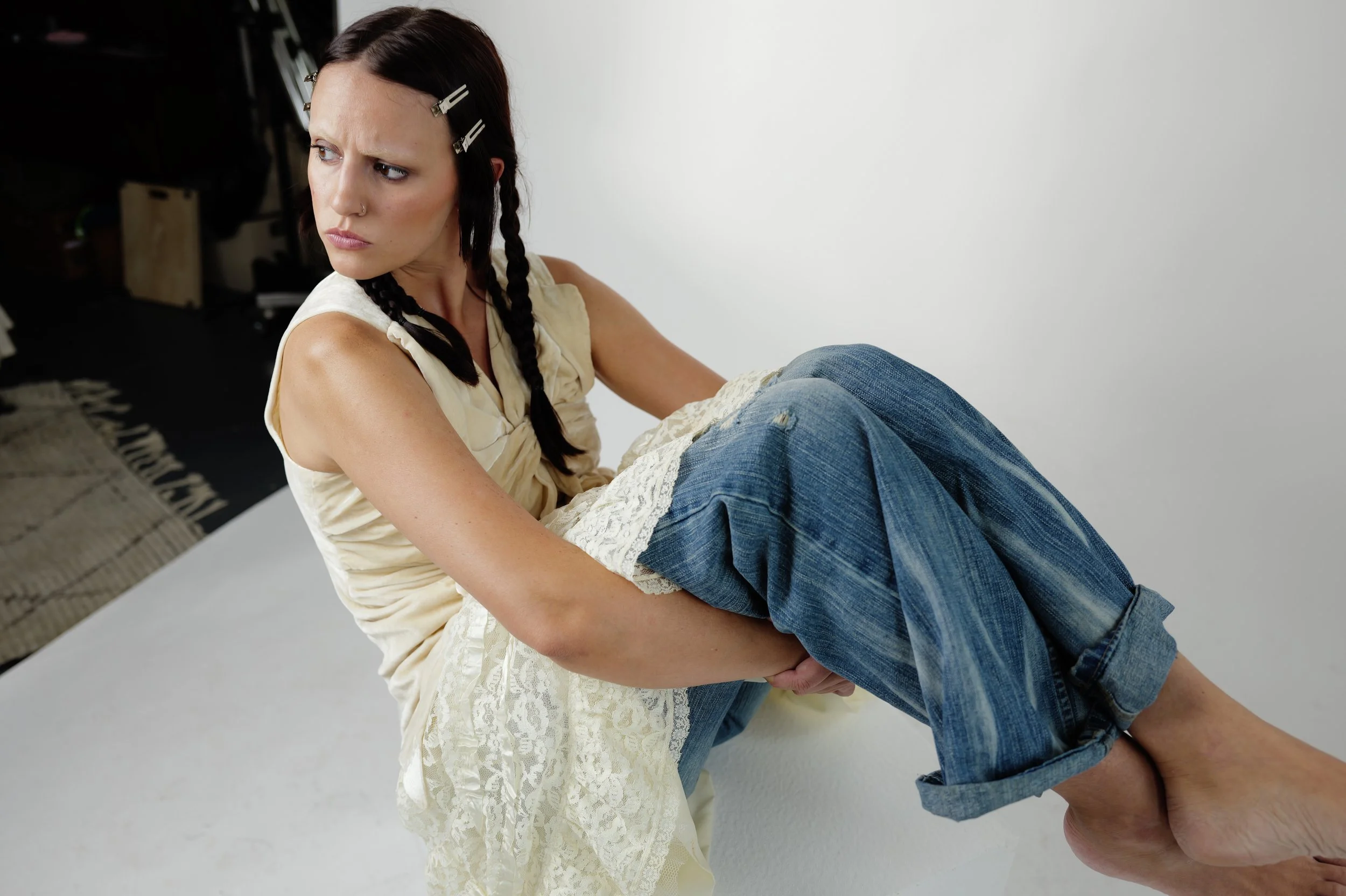
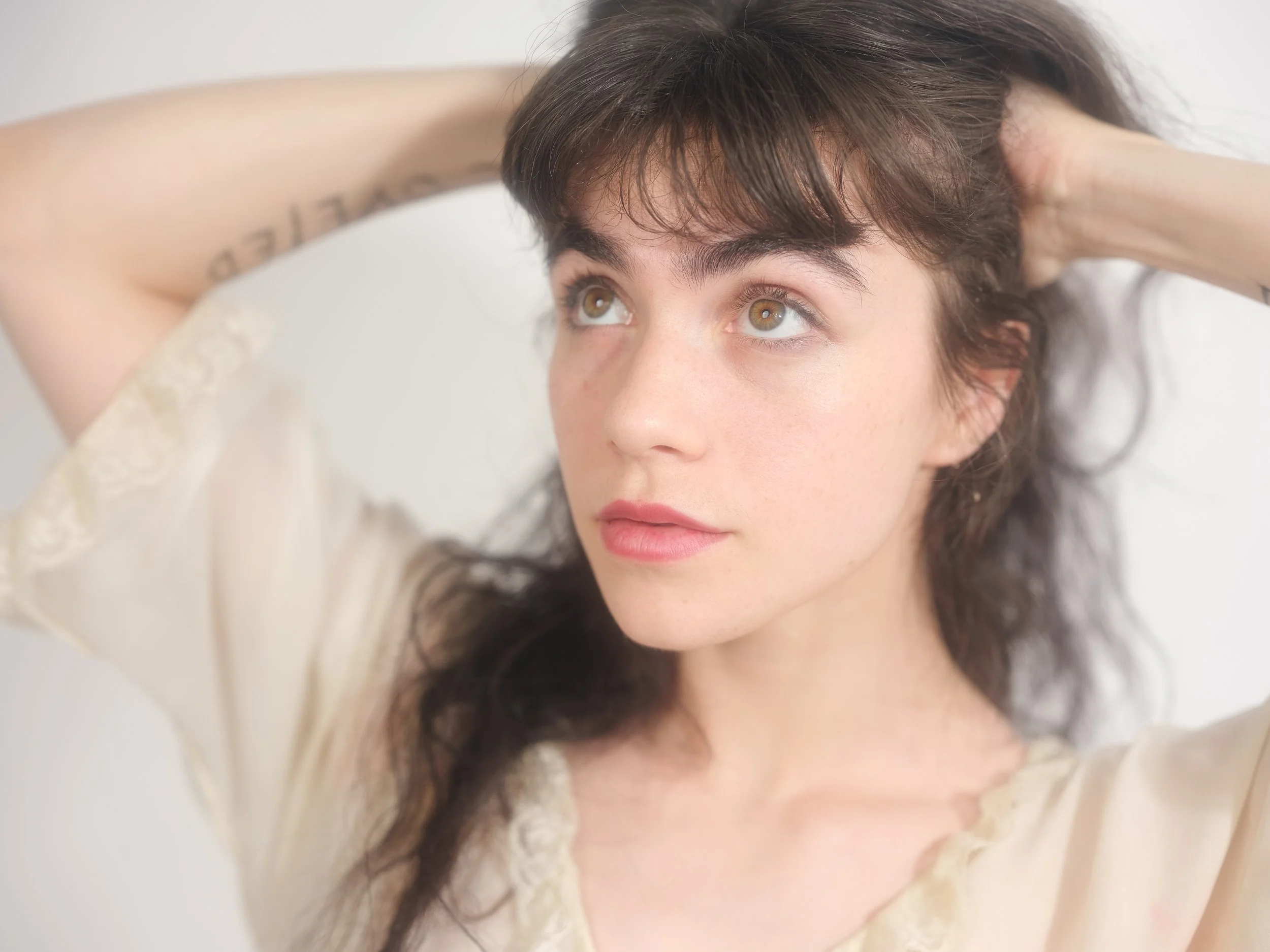
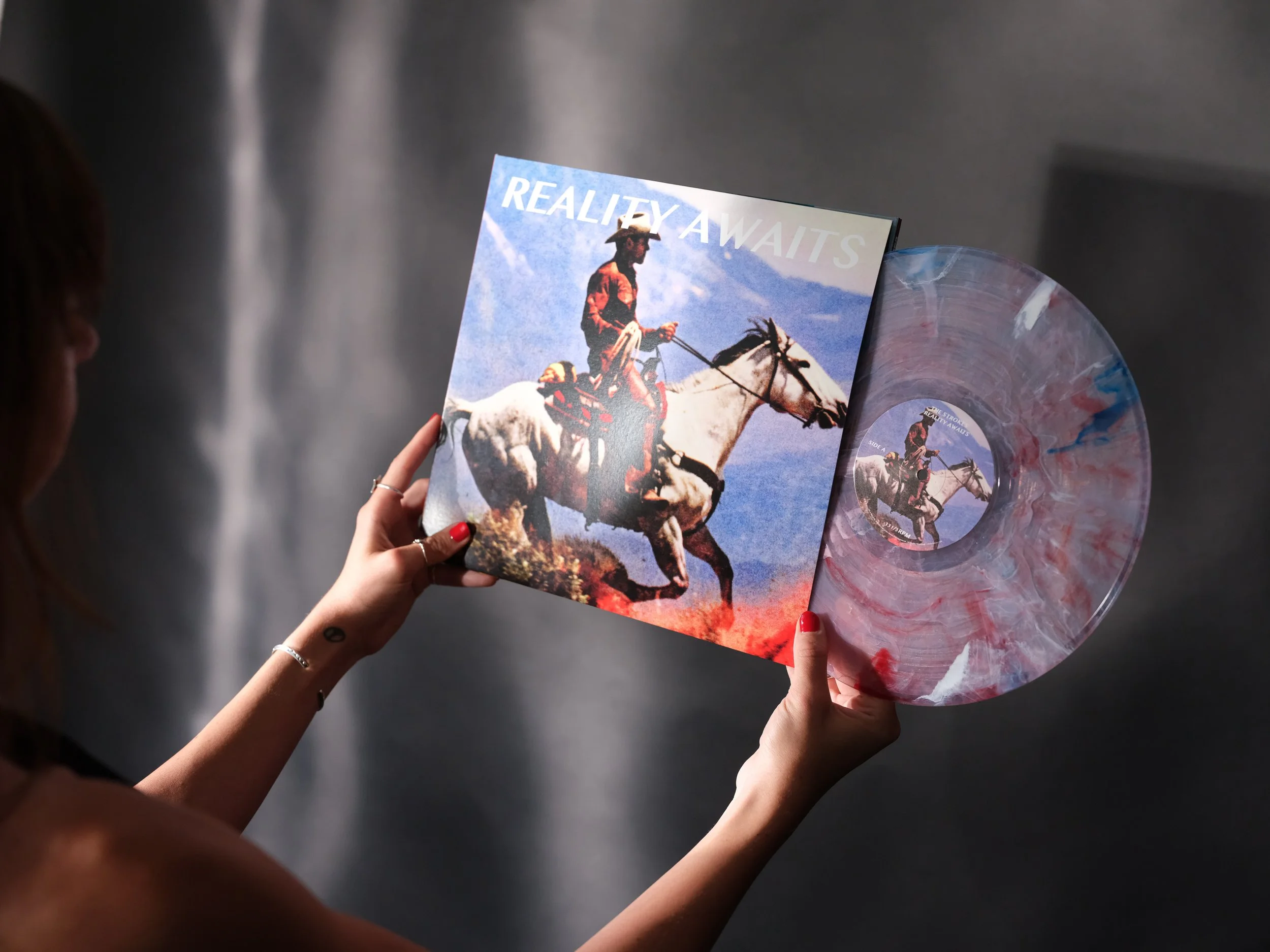
Digital photography gives me the flexibility to work quickly while still keeping the images intentional and character-driven. I use Leica and Fuji digital cameras for portrait sessions, model tests, headshots, and straightforward studio or location work where consistency, speed, and a polished final image matter.
It’s also the format I often use for creative commercial projects — including product photography, social media assets, packaging, album and vinyl artwork, and brand imagery. Digital makes it possible to experiment freely, build out a larger visual story, and create photographs that can move easily between editorial, web, social, and marketing uses.
Whether I’m photographing a person or an object, I approach digital the same way I approach film: with an emphasis on light, texture, composition, and making the image feel considered rather than overly polished.
Abstract
S5
-
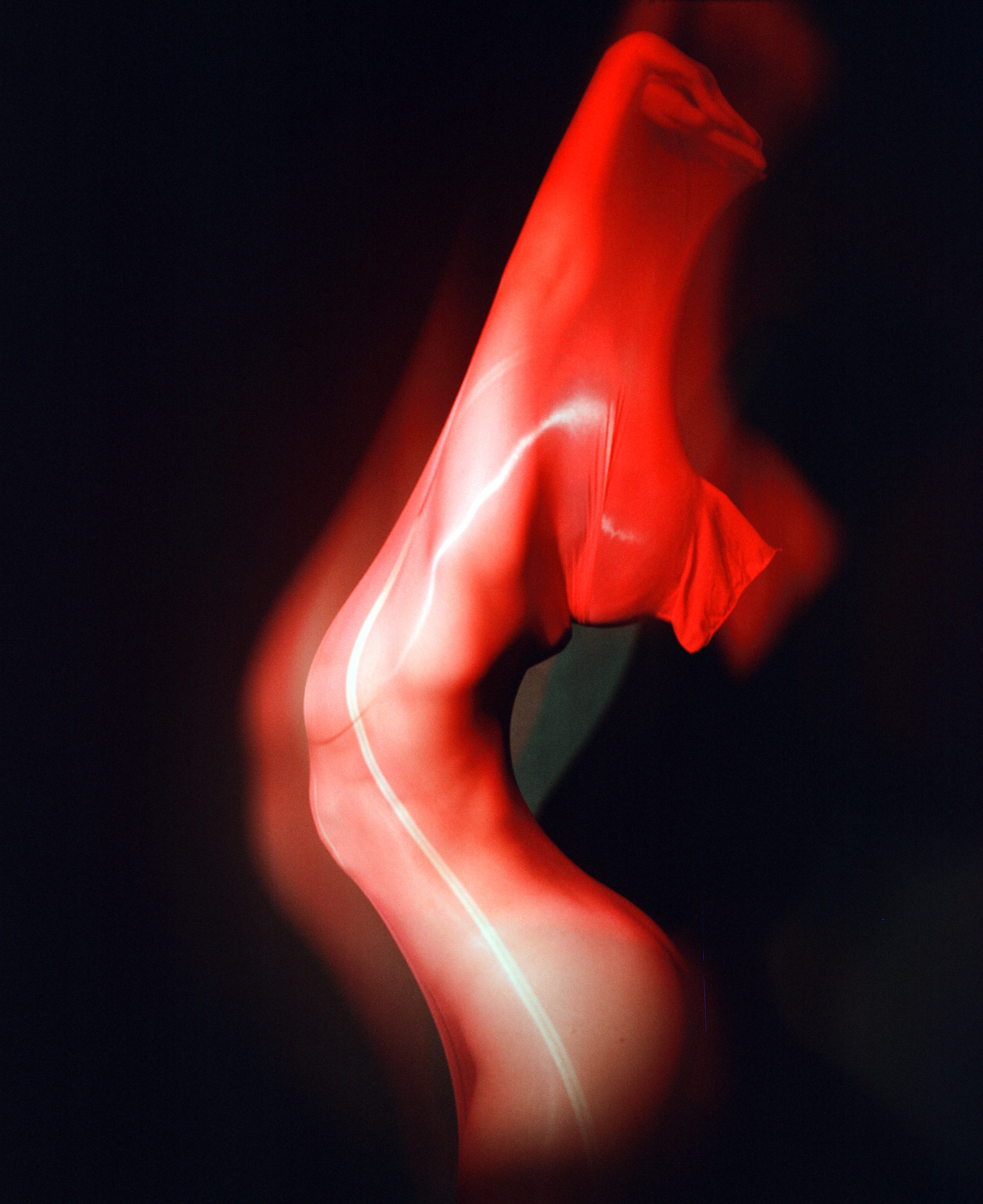
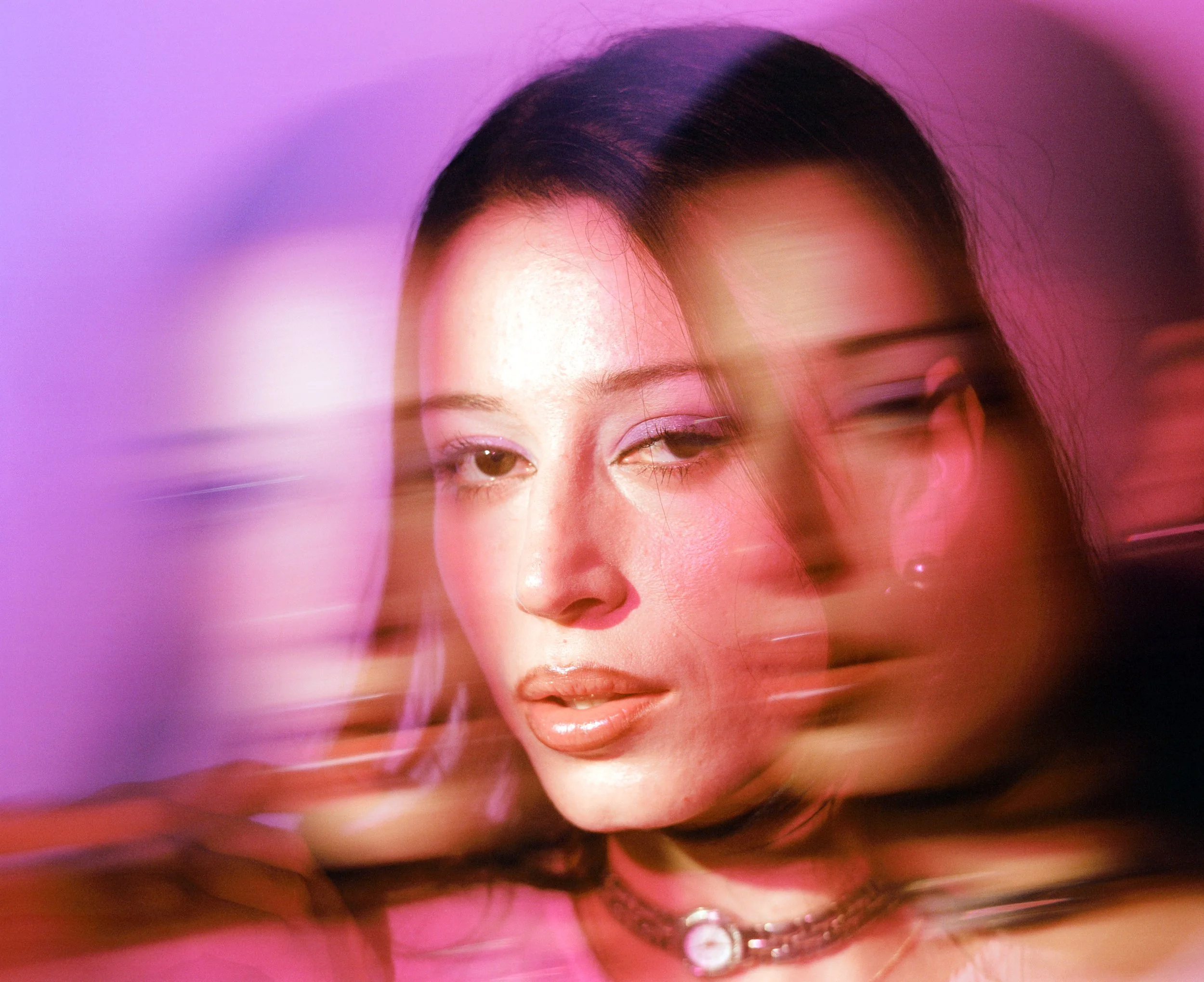
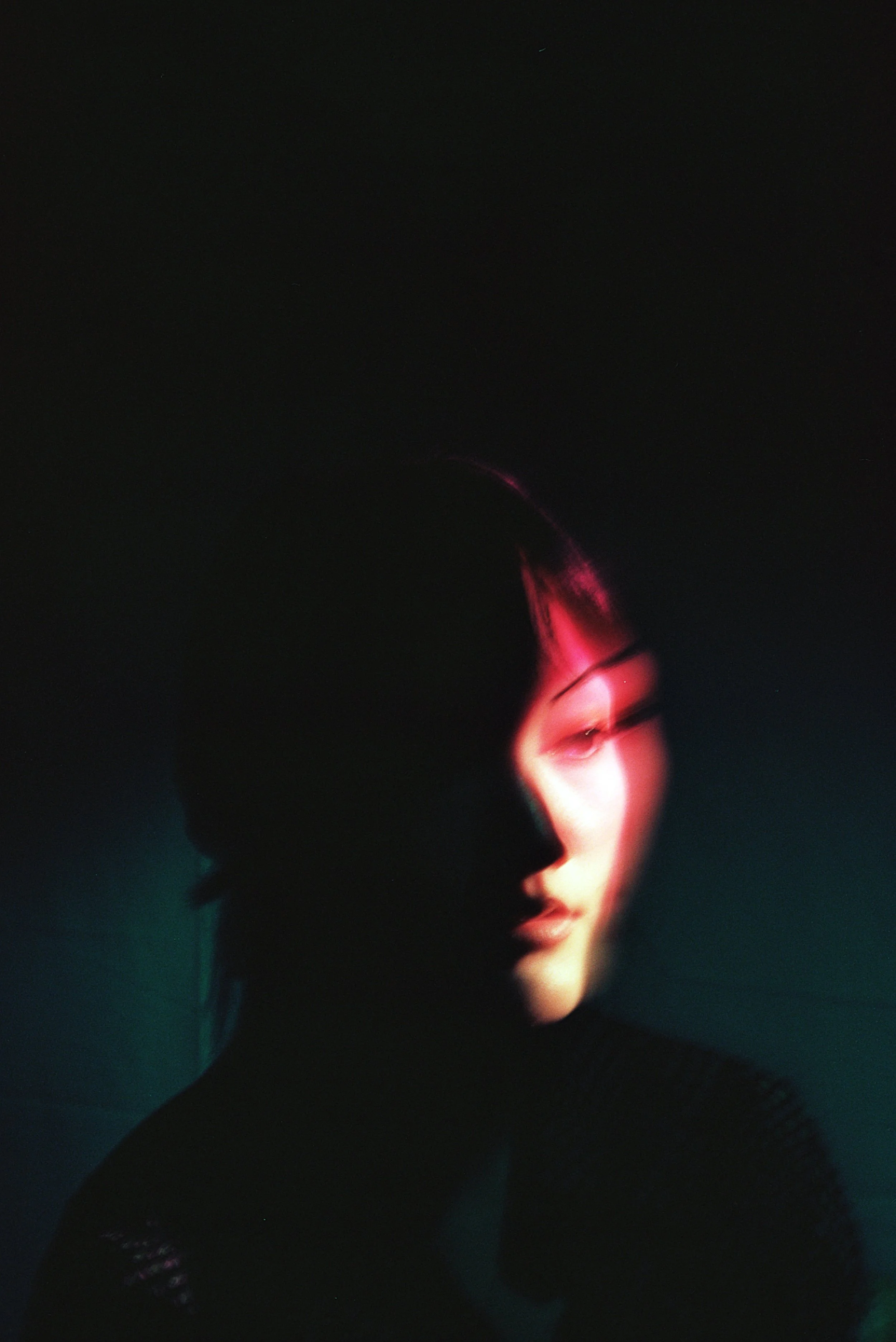
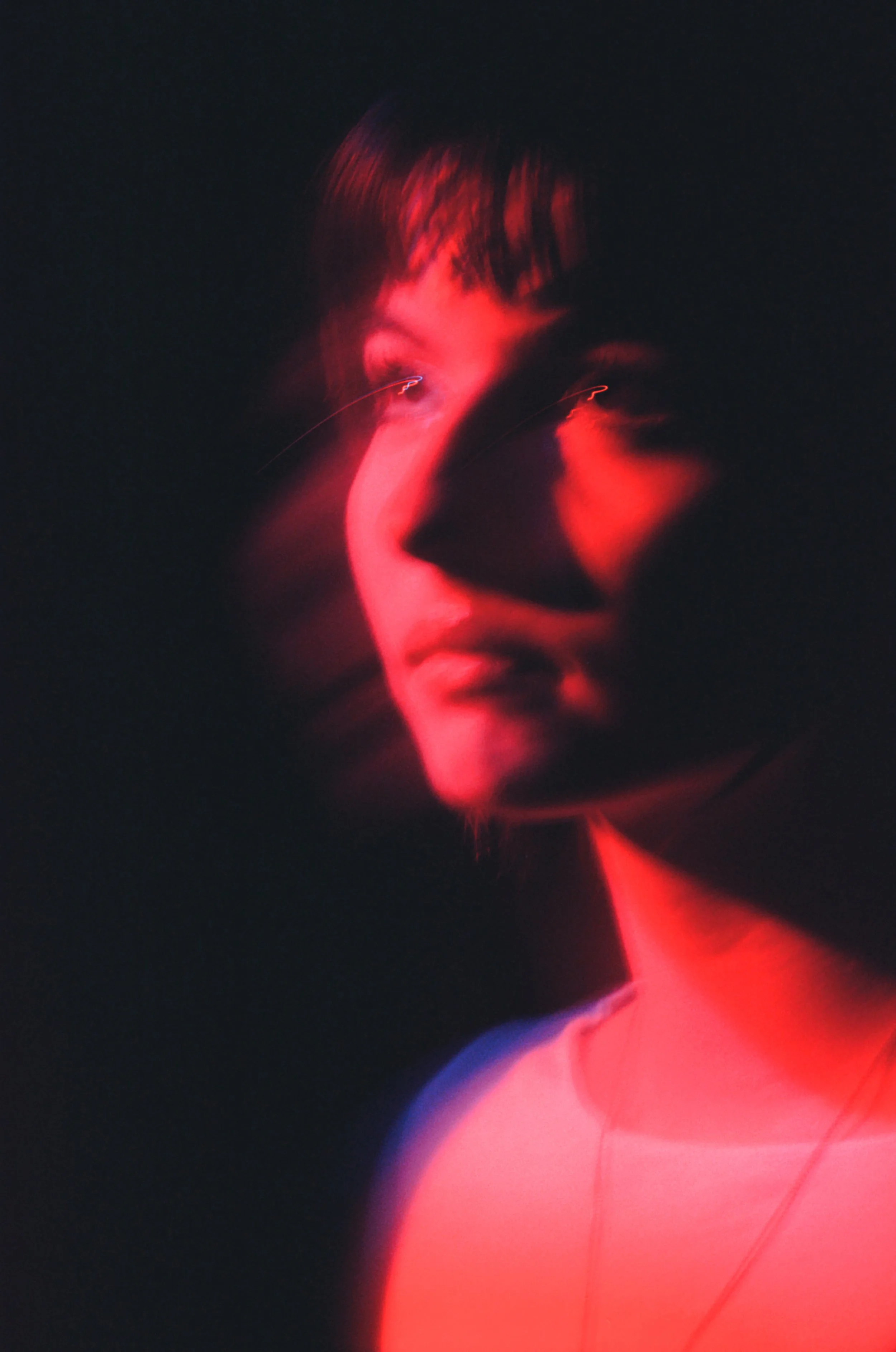
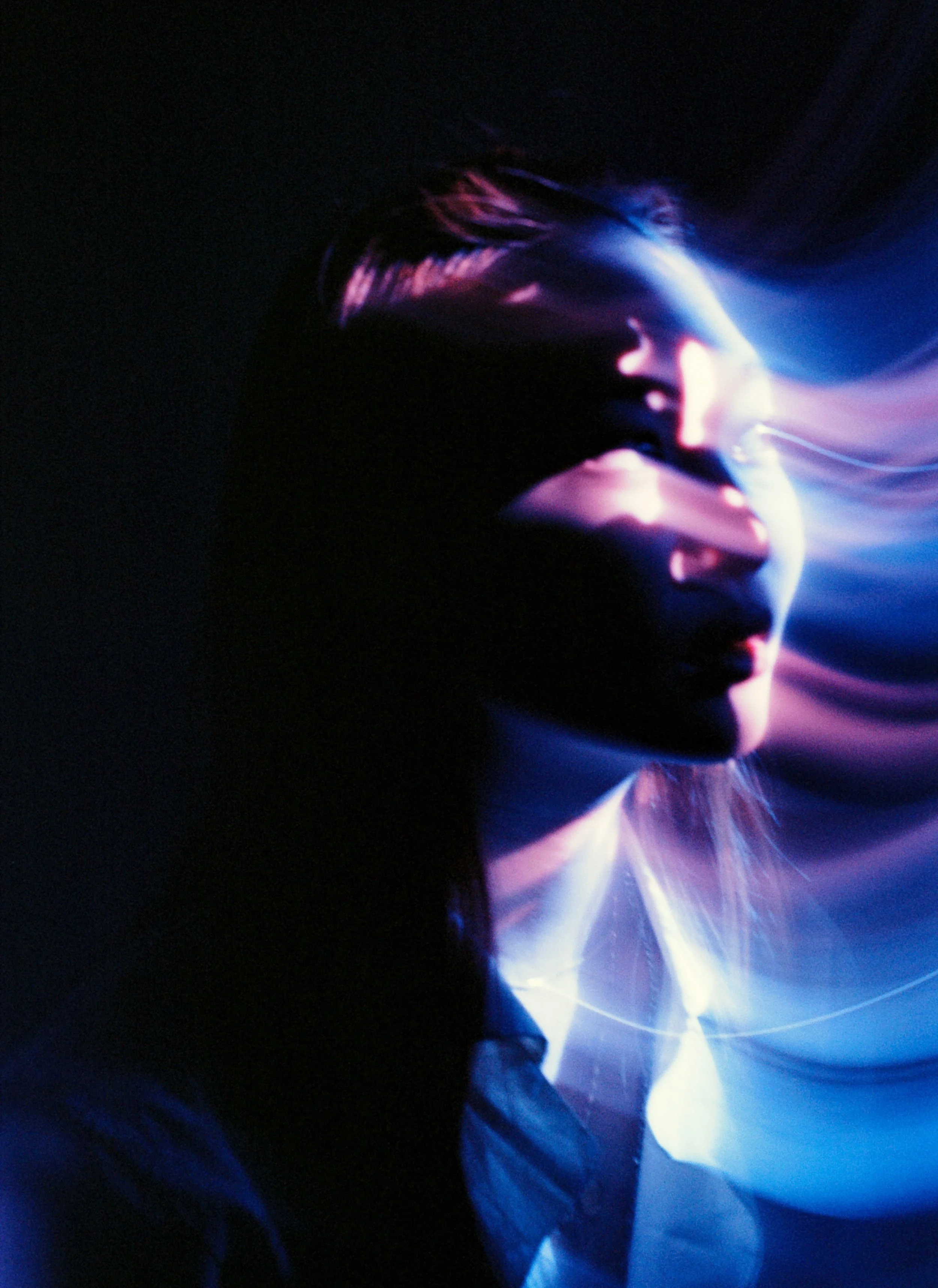
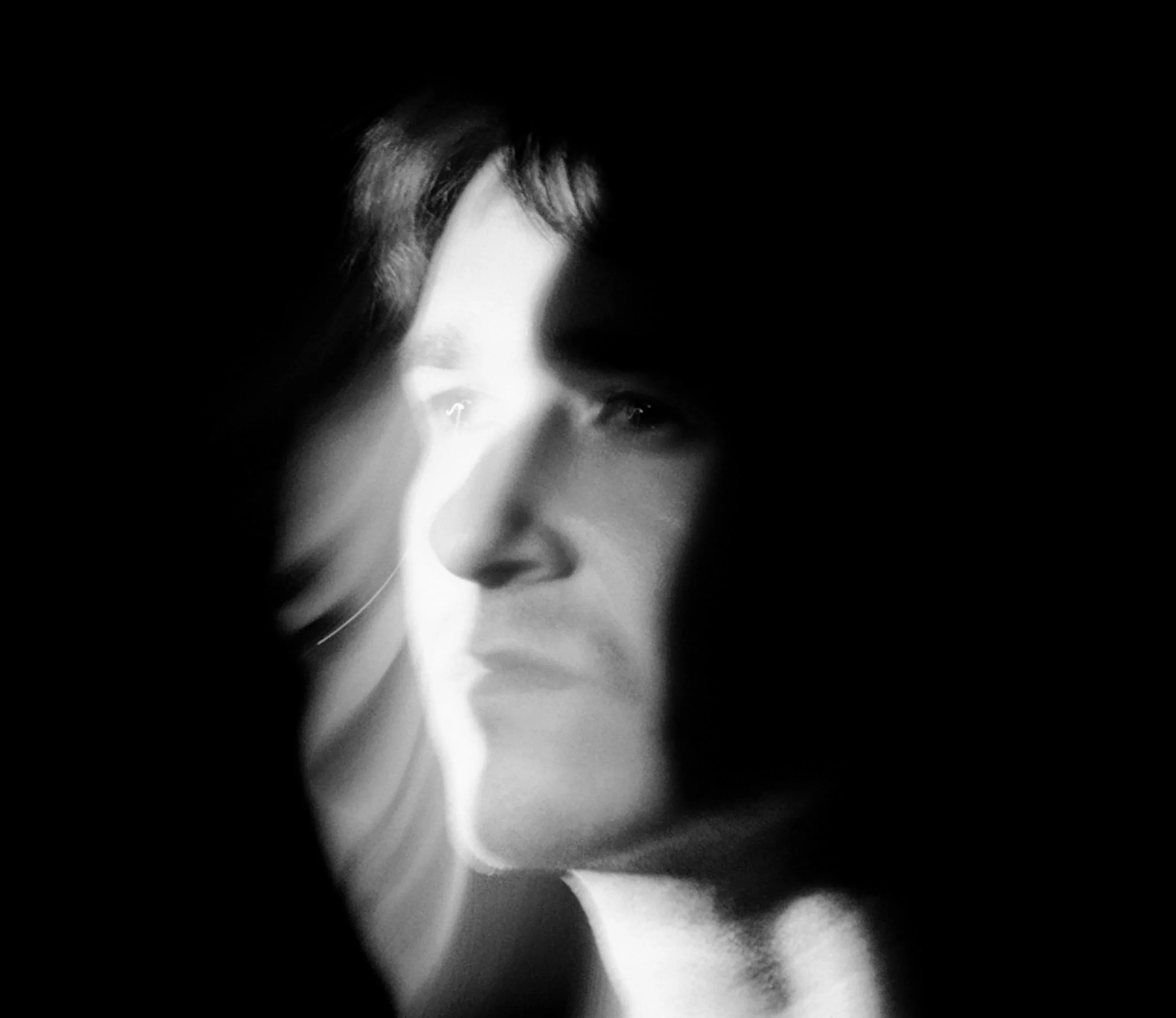
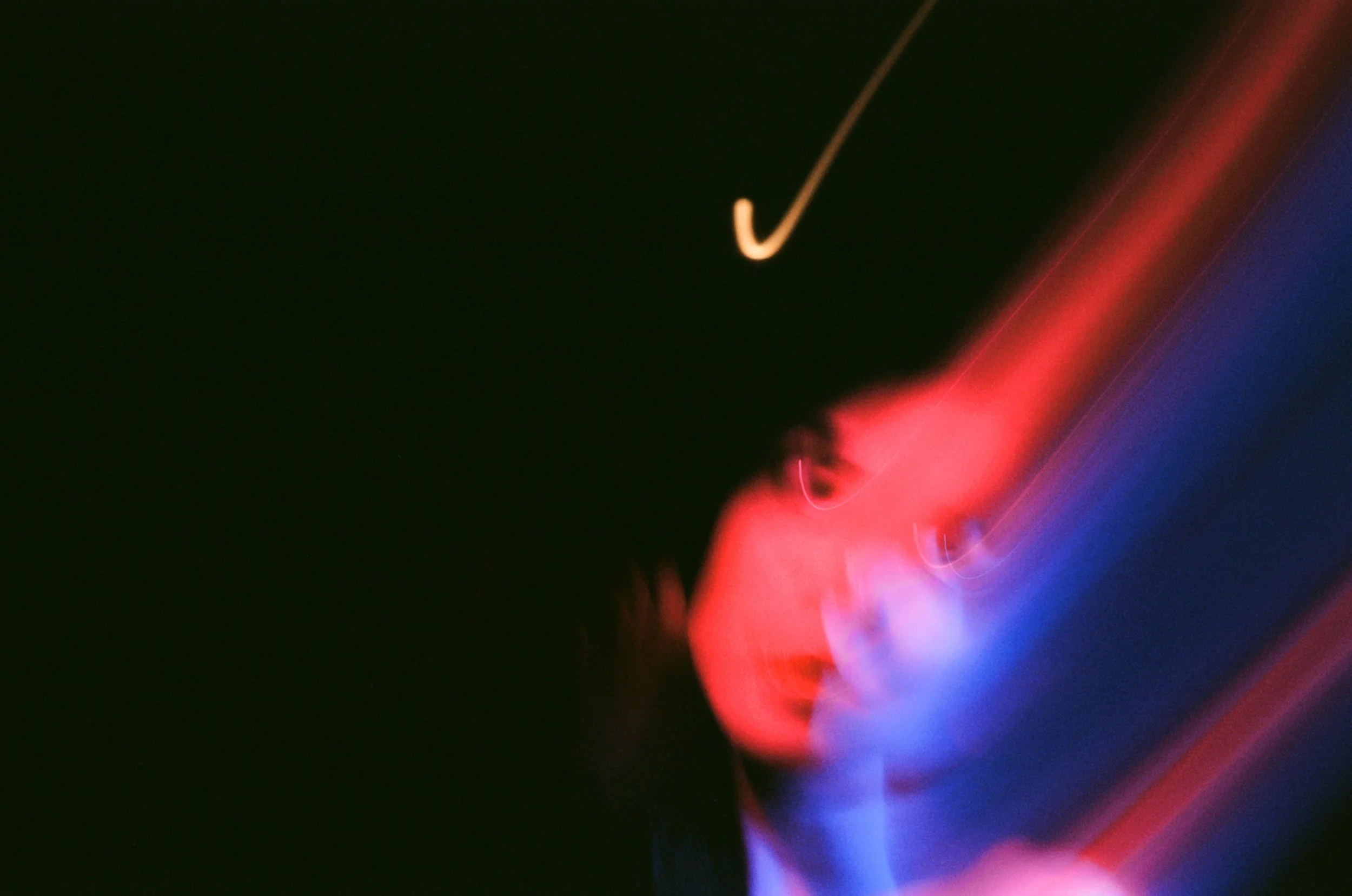
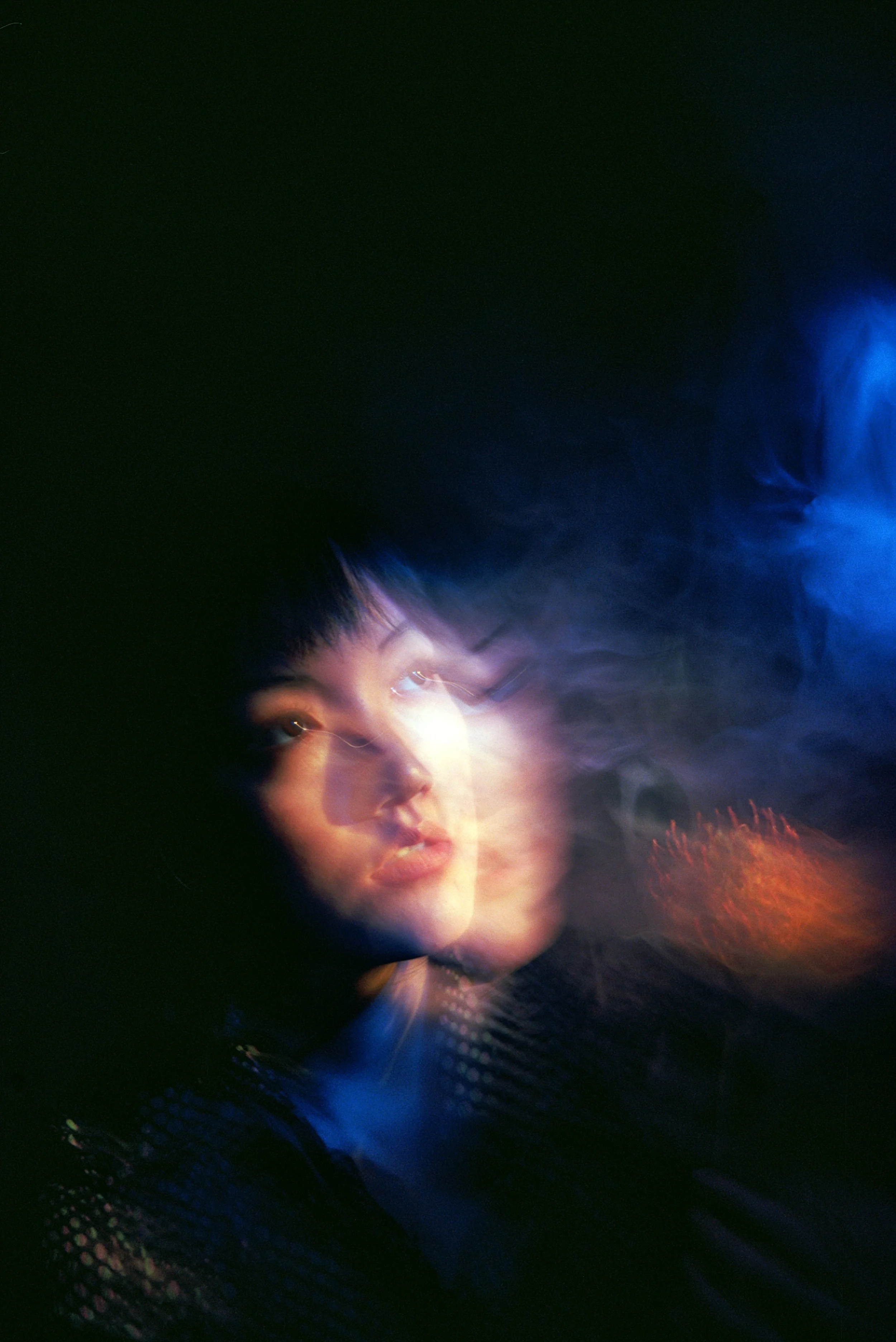
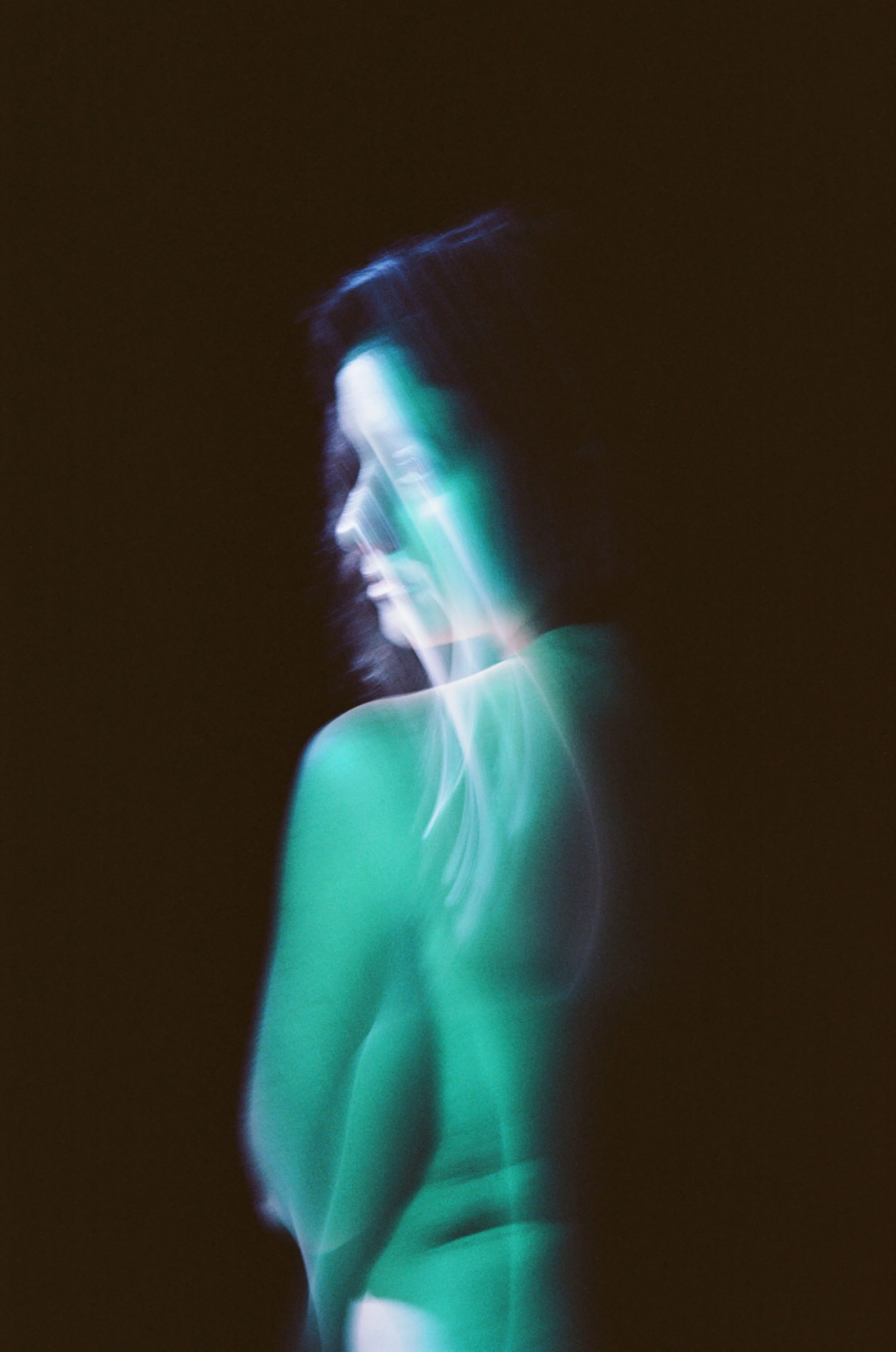
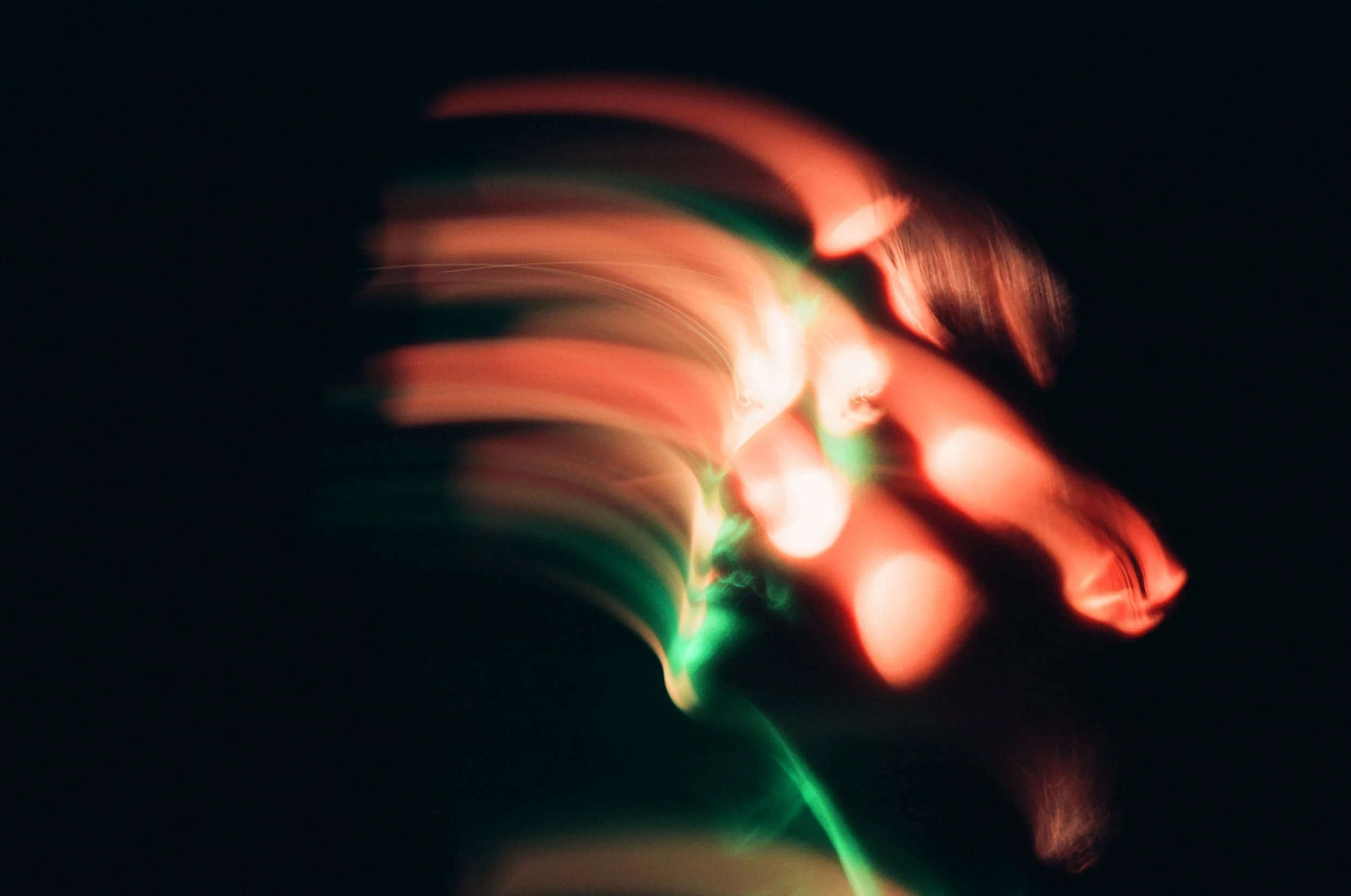
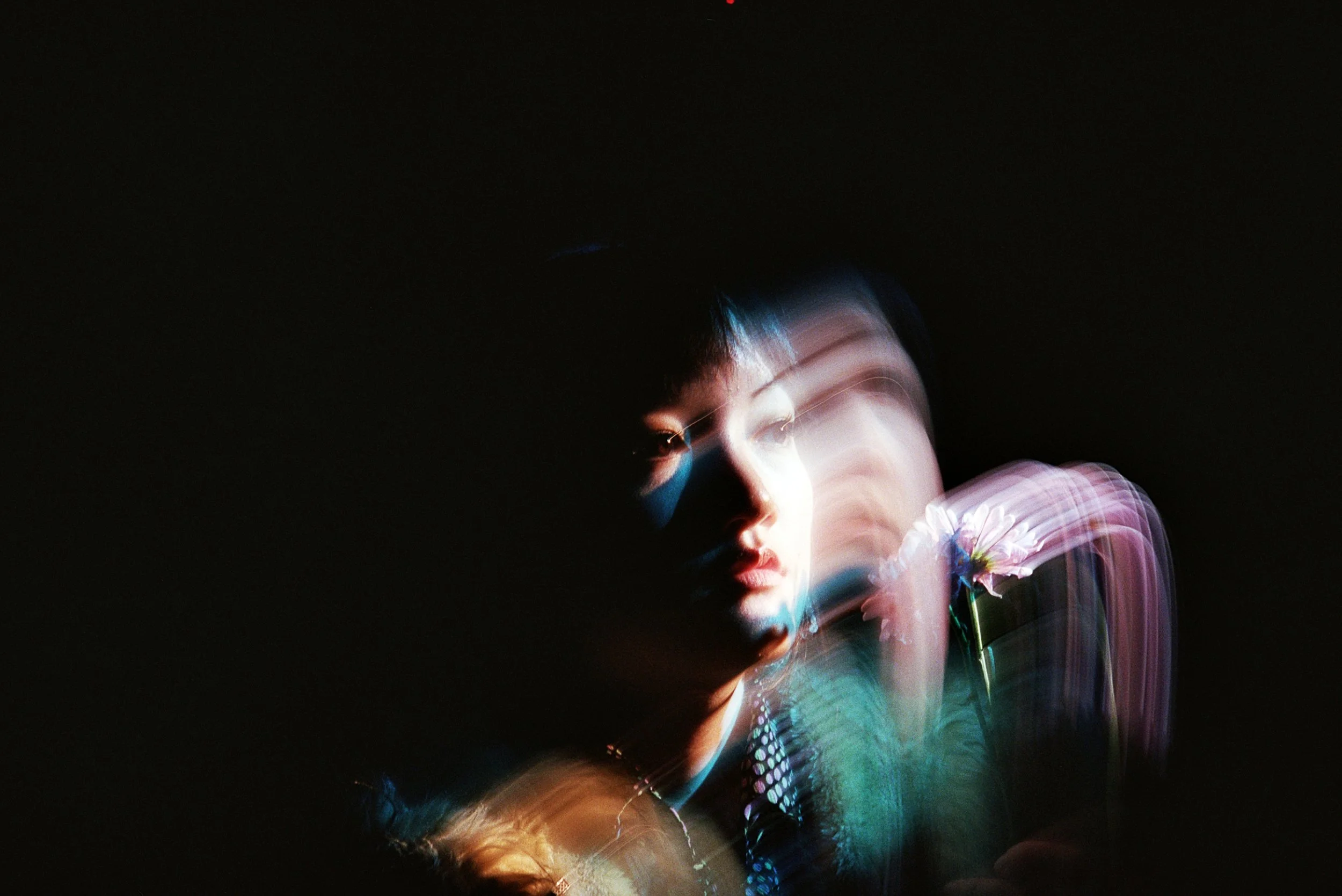
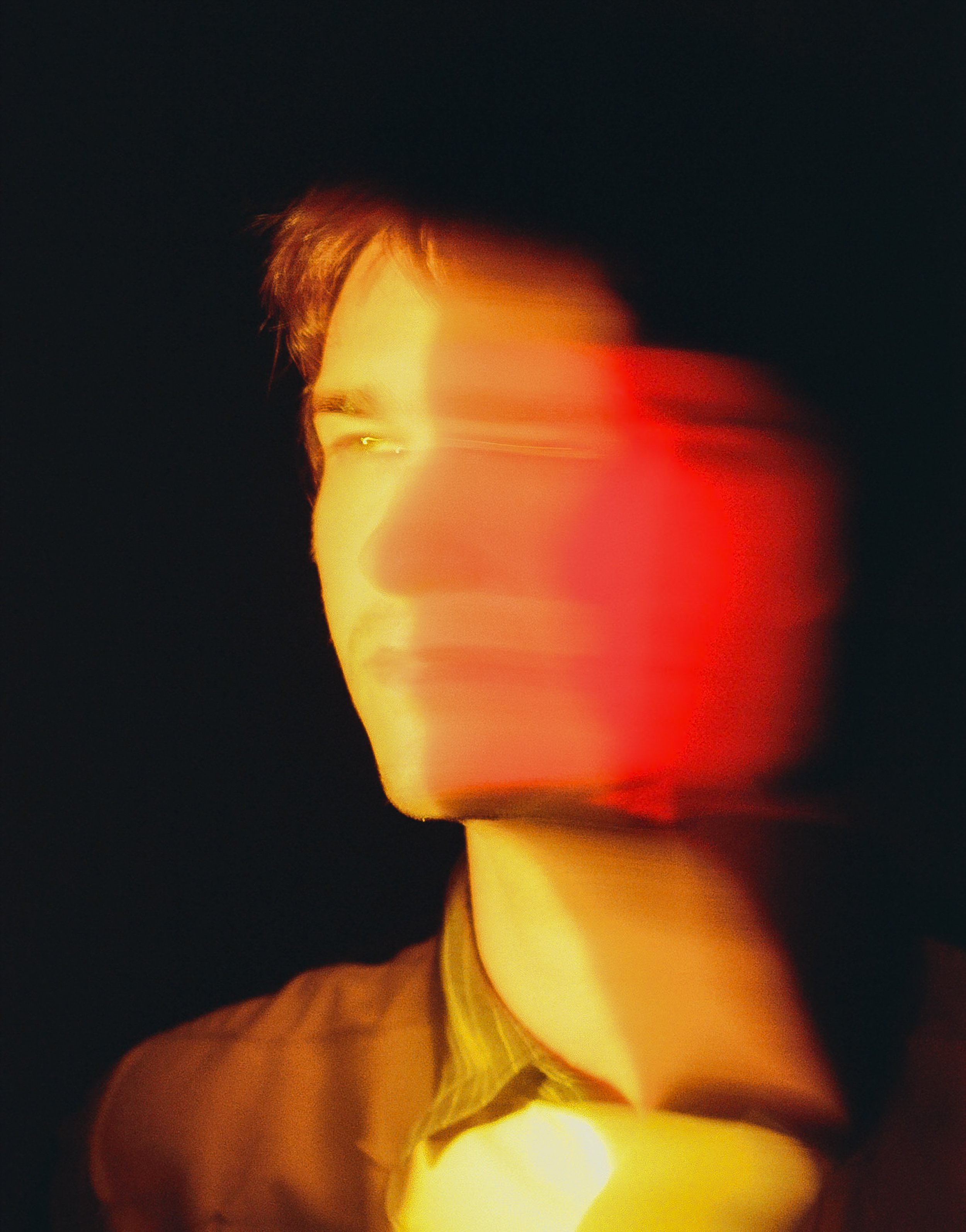
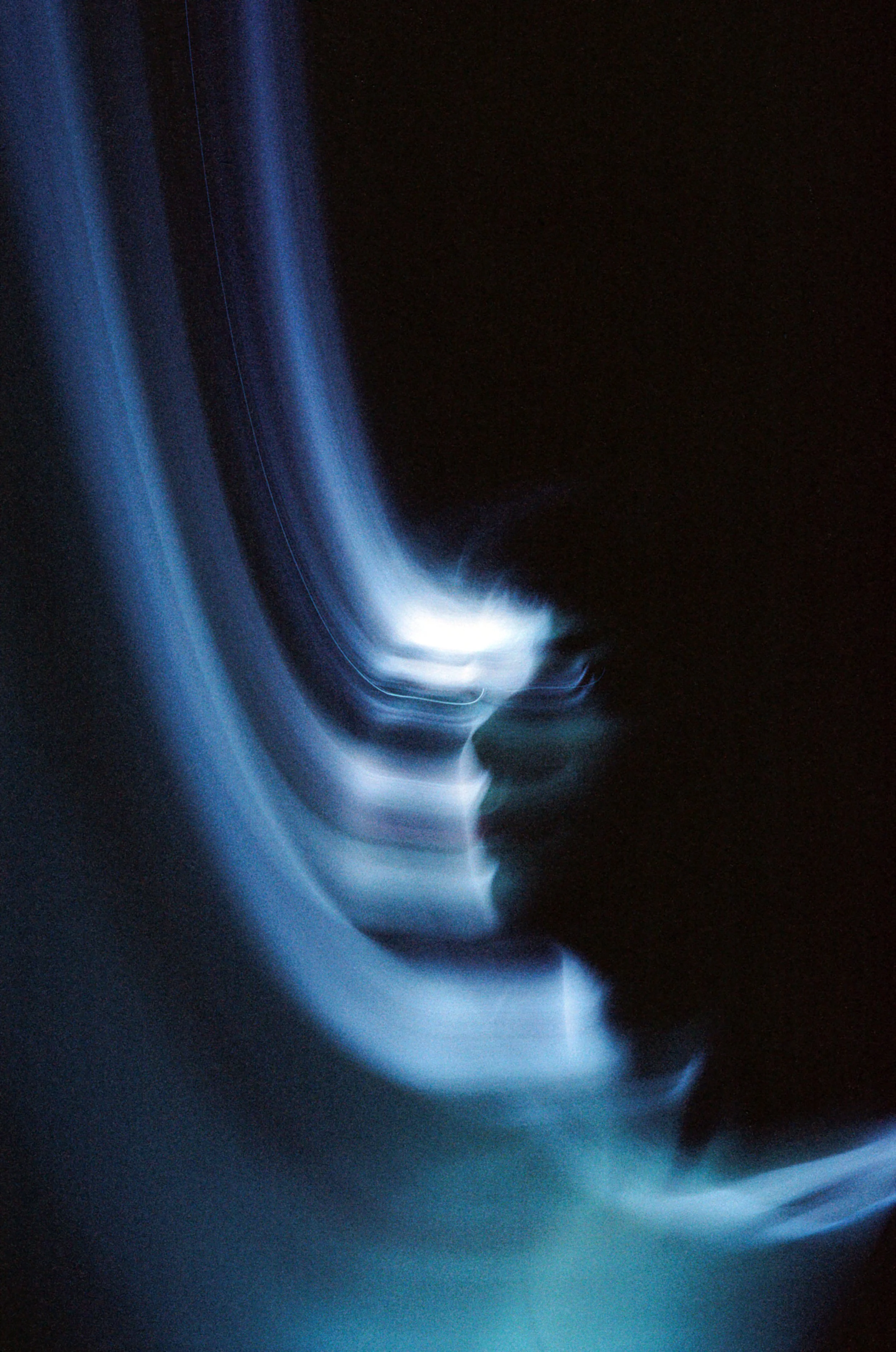
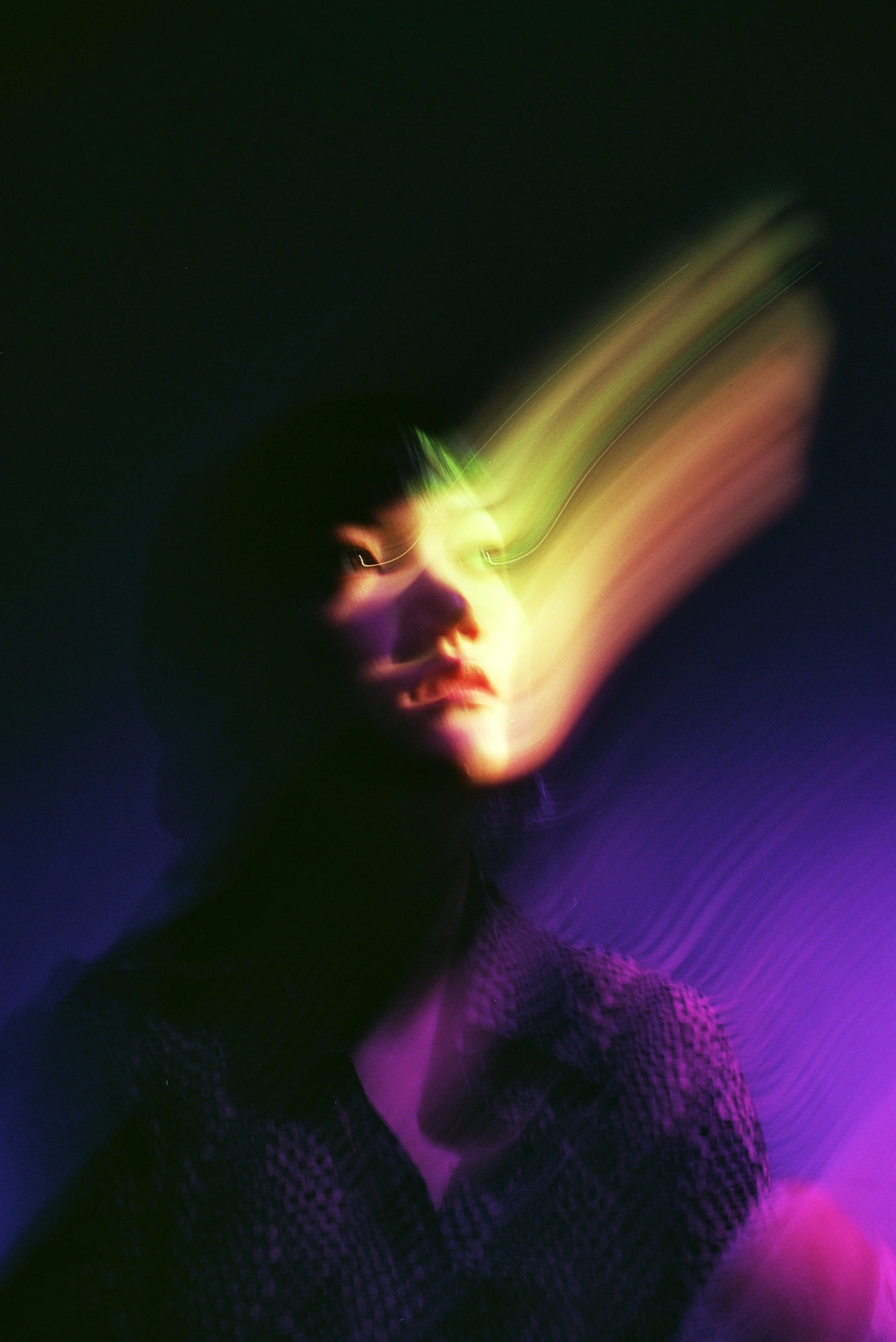
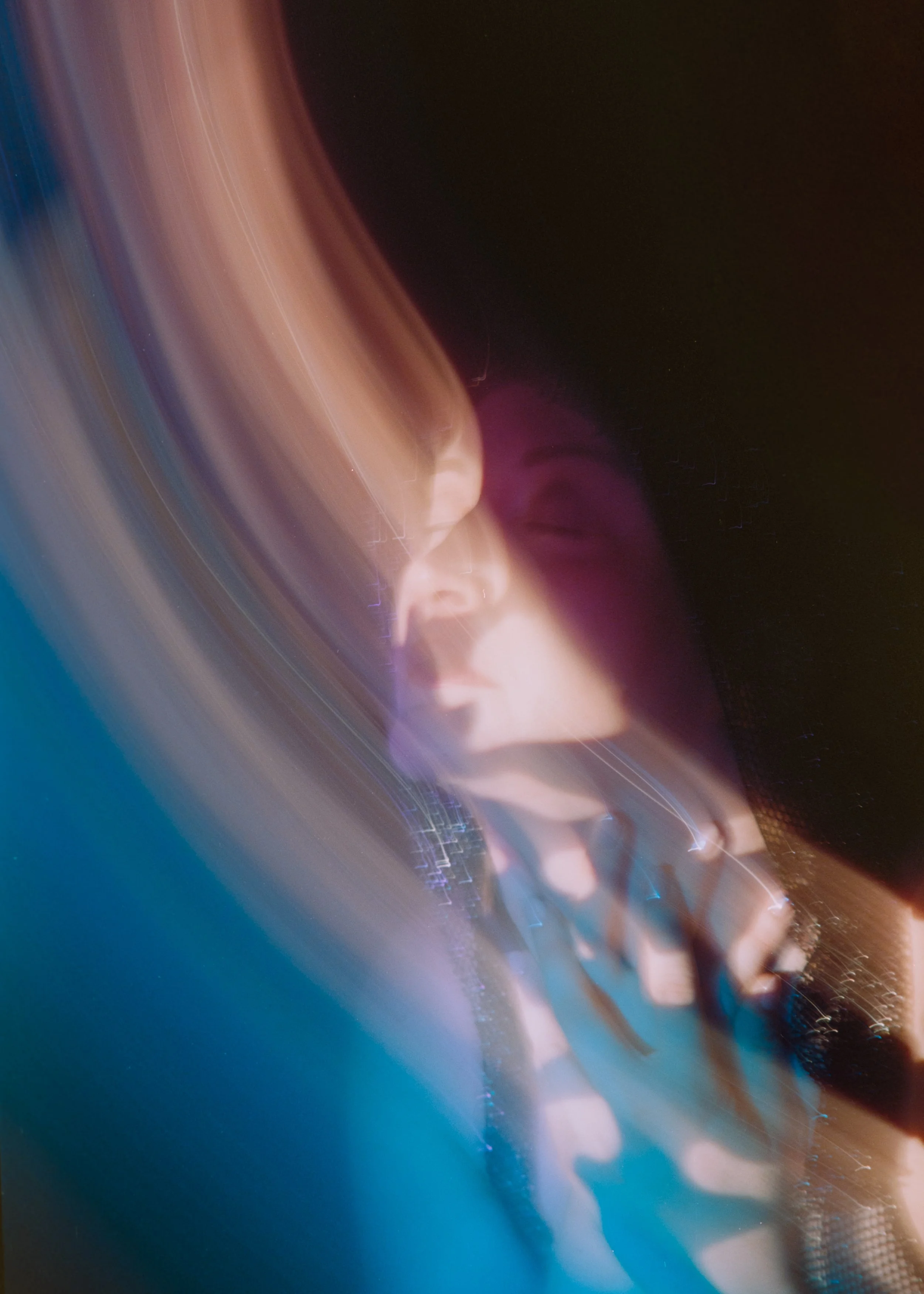
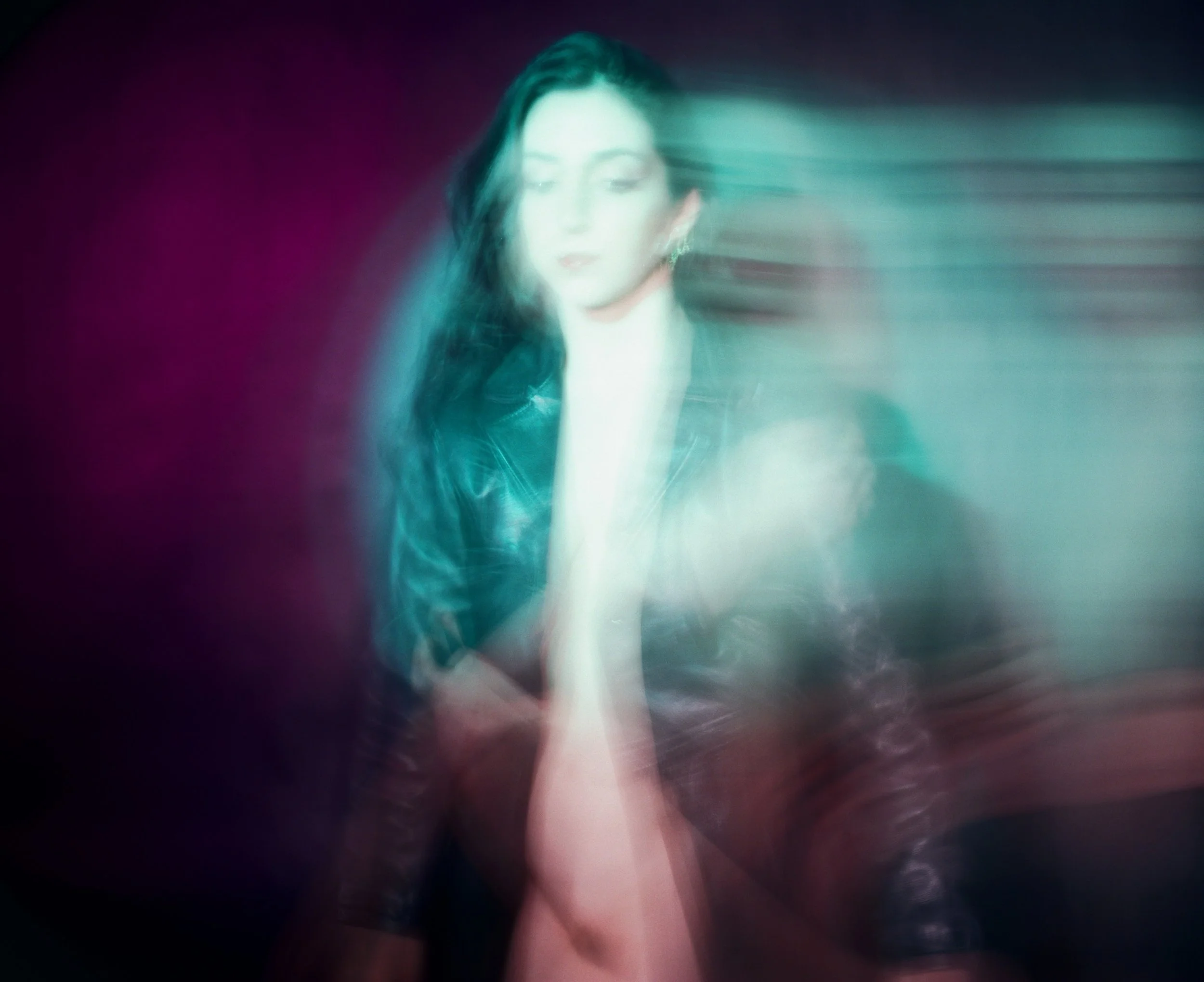
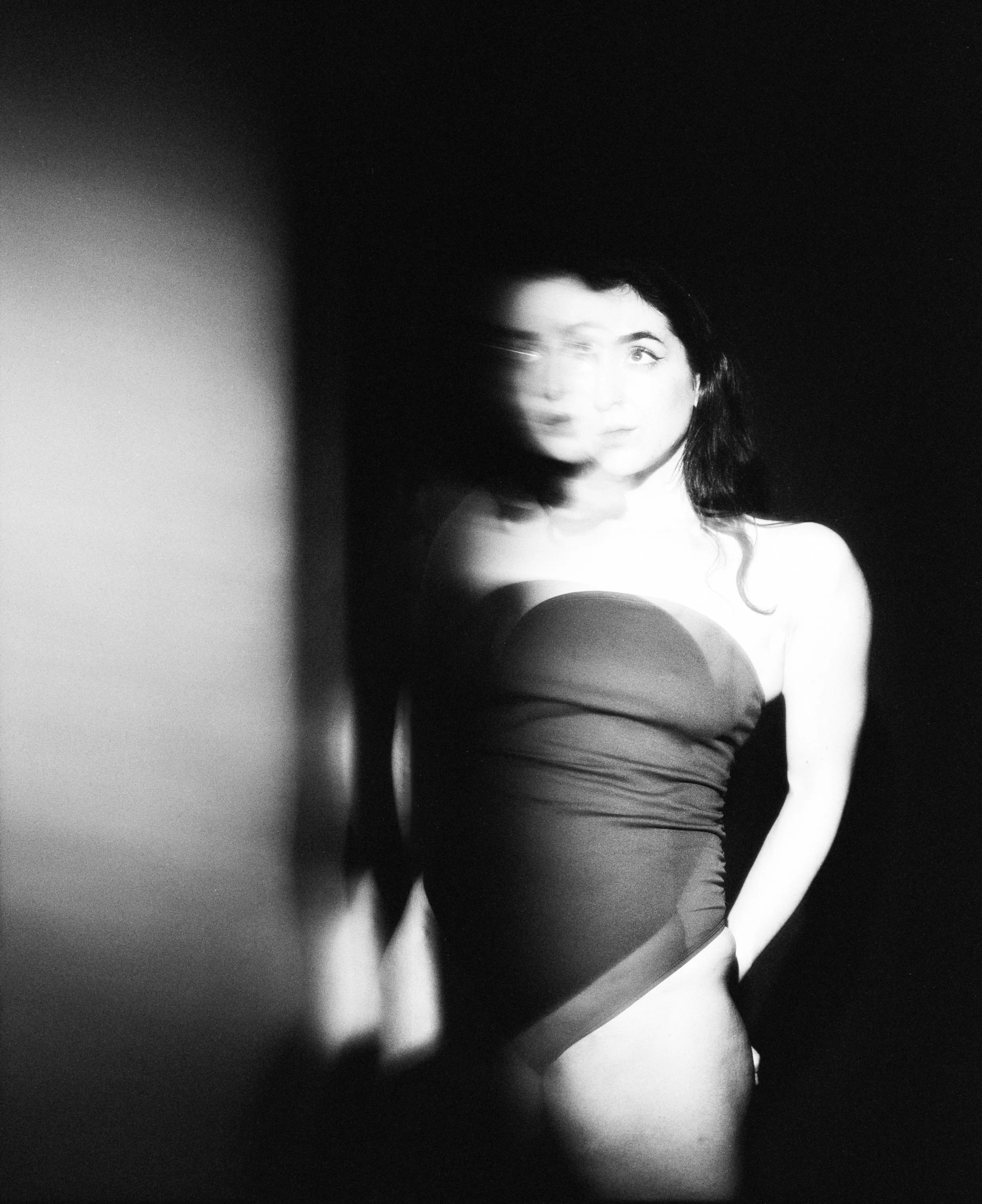
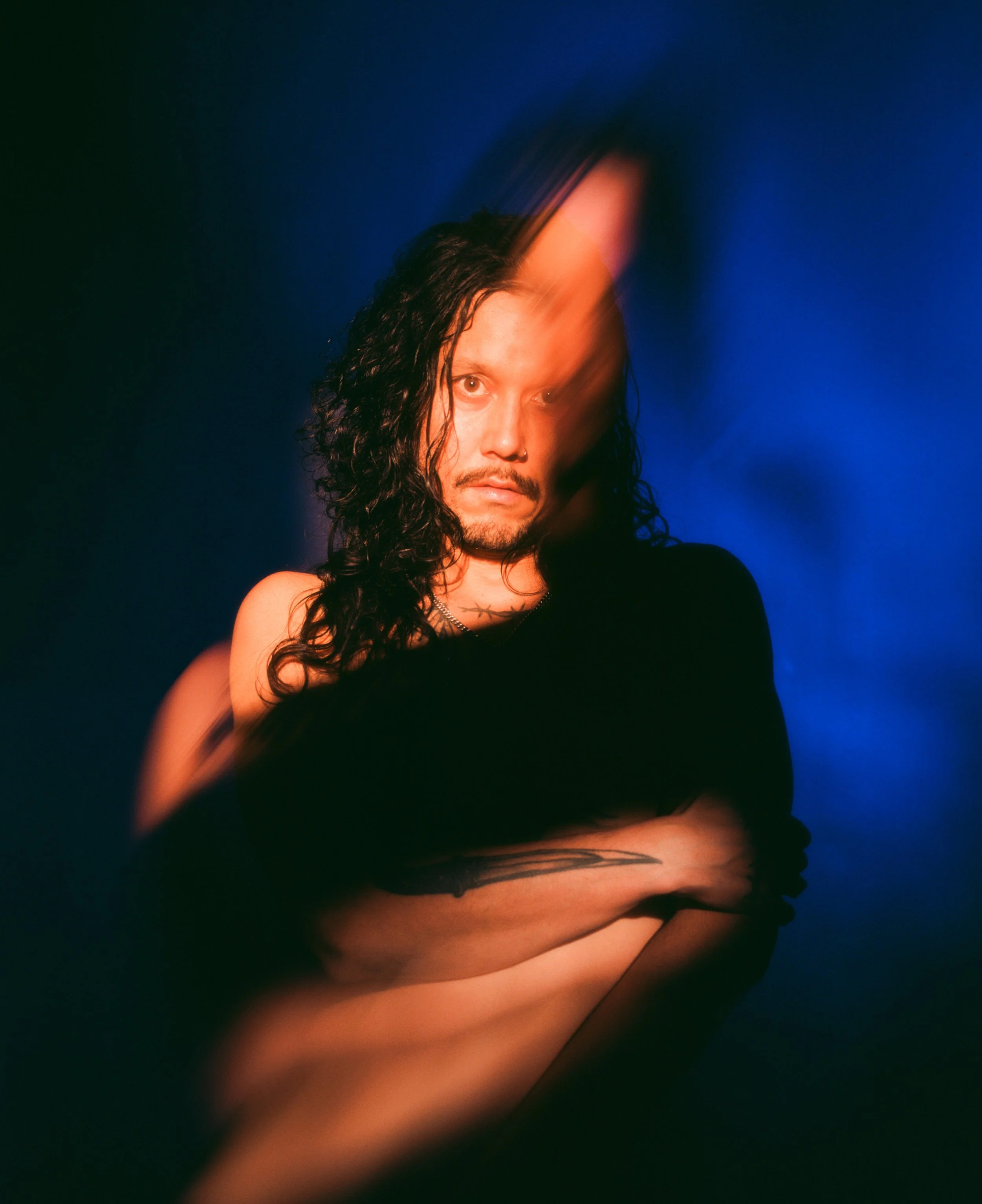
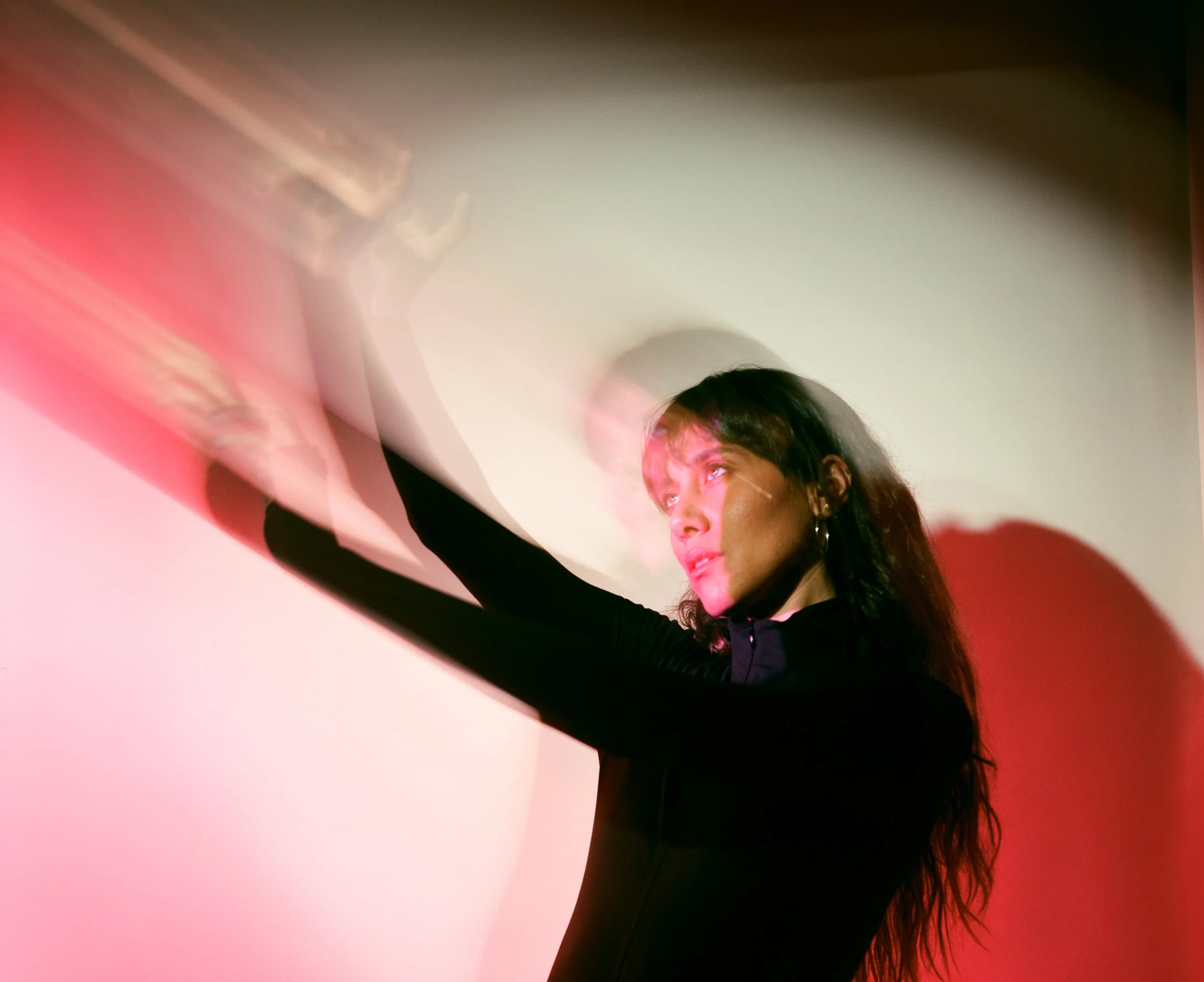
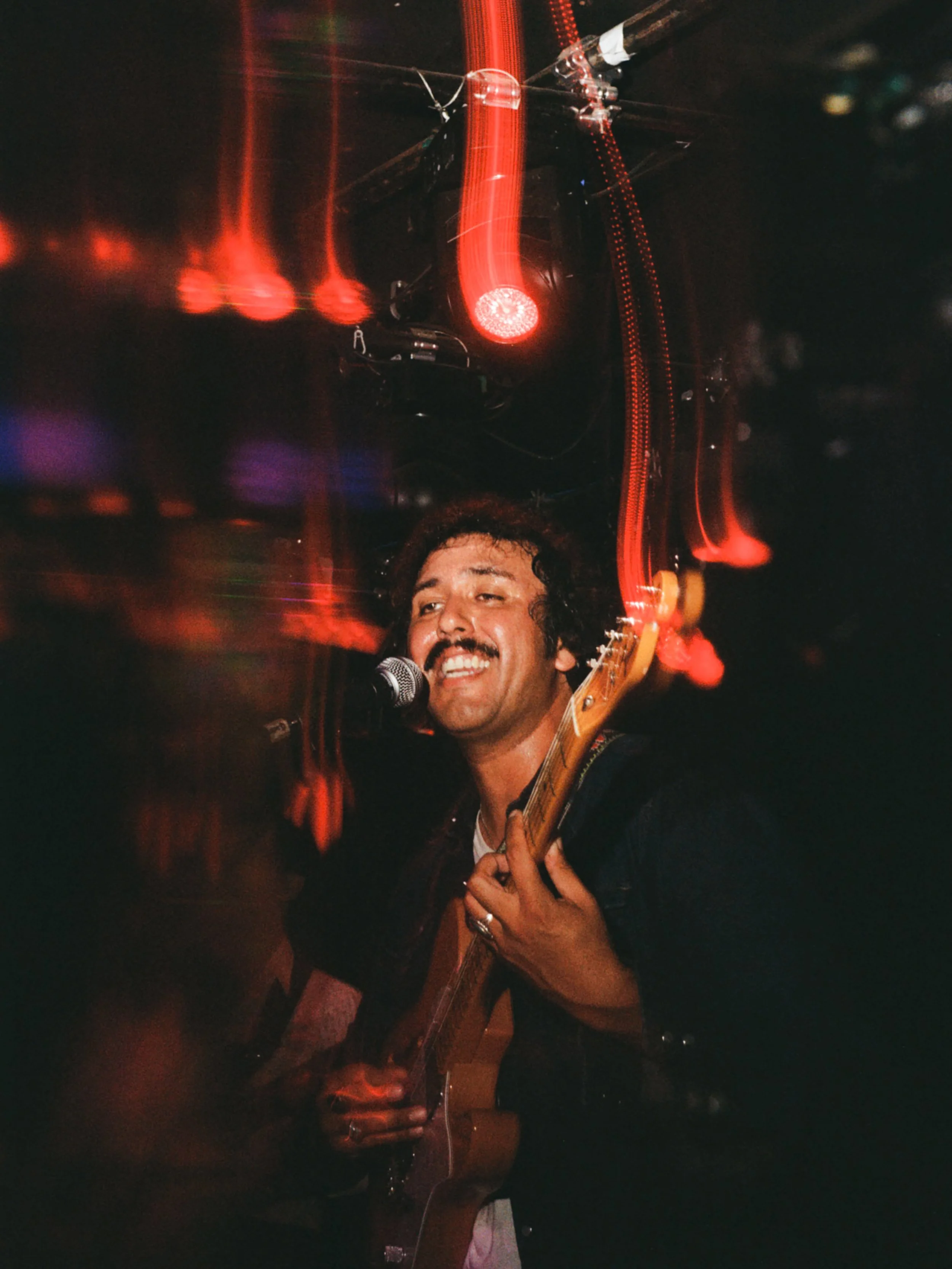
Long exposures, movement, color, and dragged shutter effects turn the subject into something softer and less literal. The results can feel painterly, dreamlike, and ethereal—somewhere between a portrait and an abstraction.
Creative
S6
-
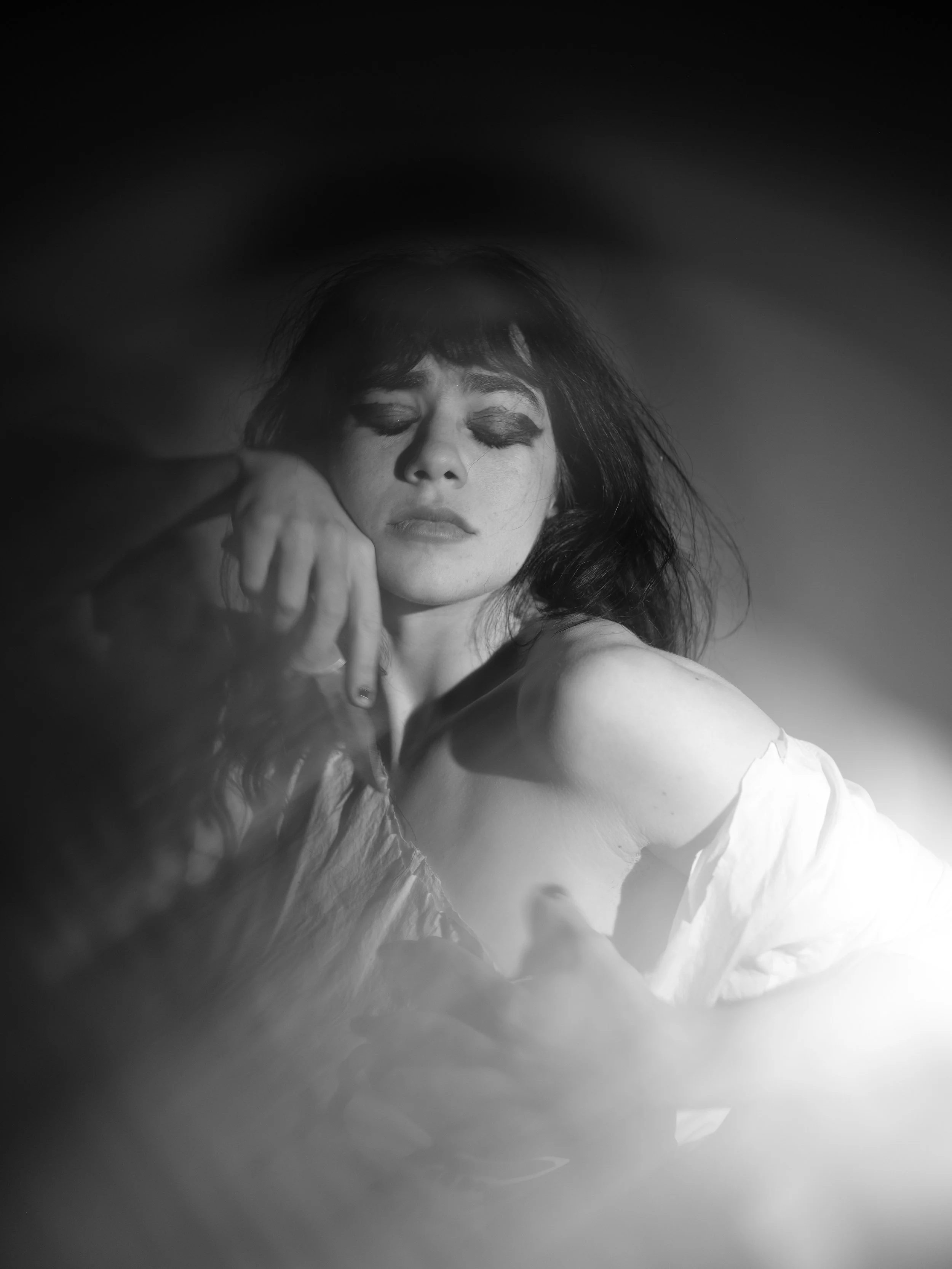
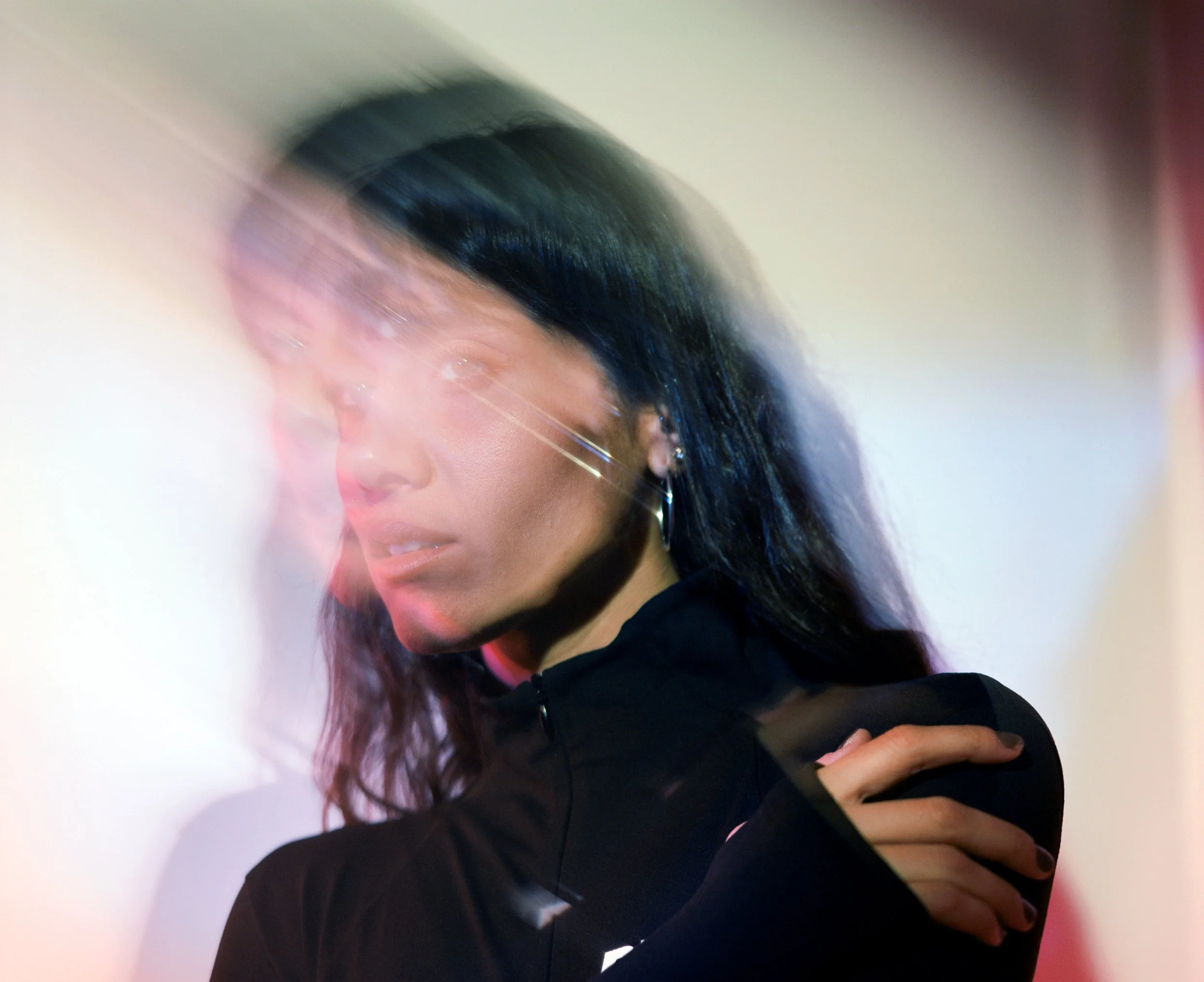
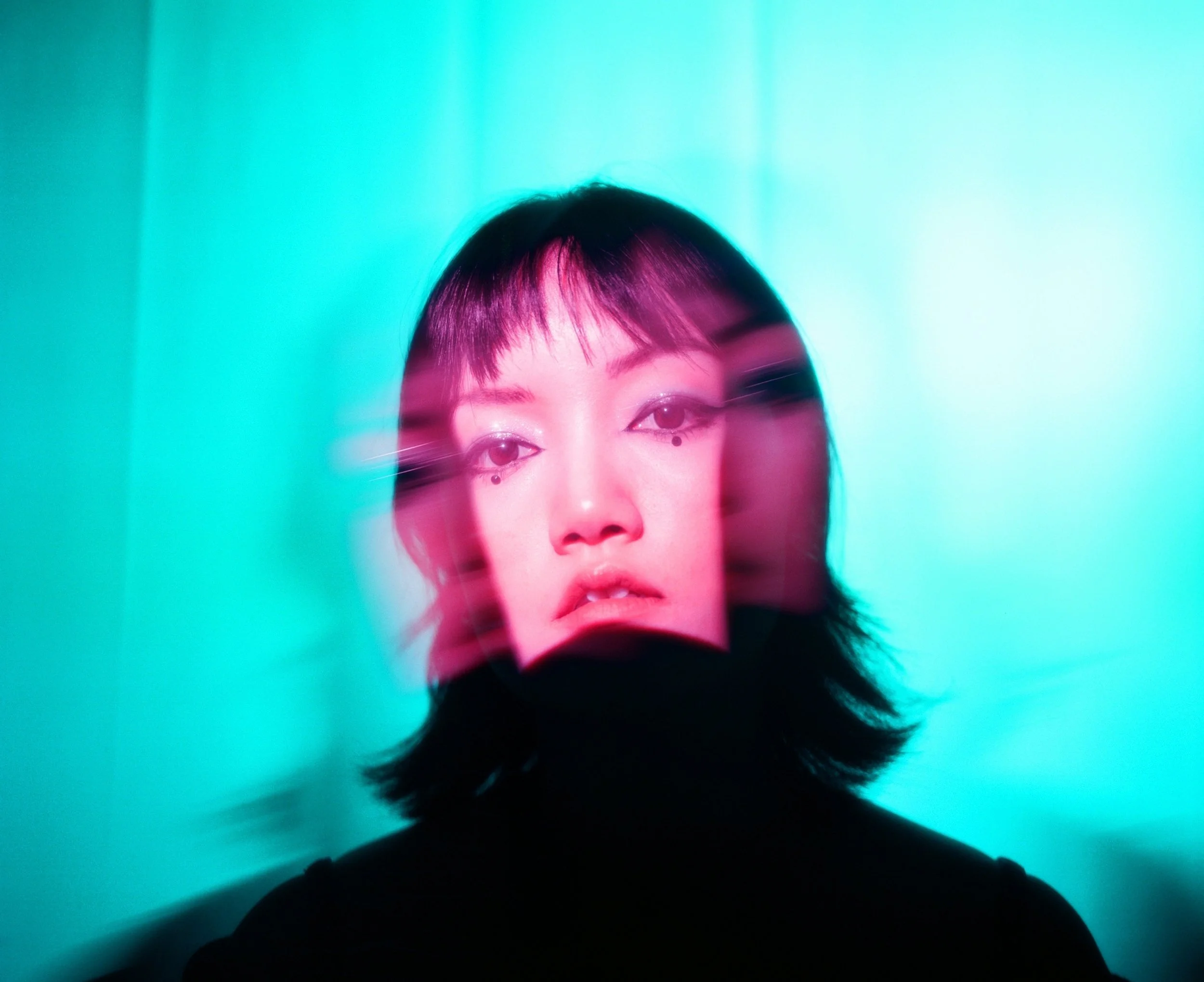
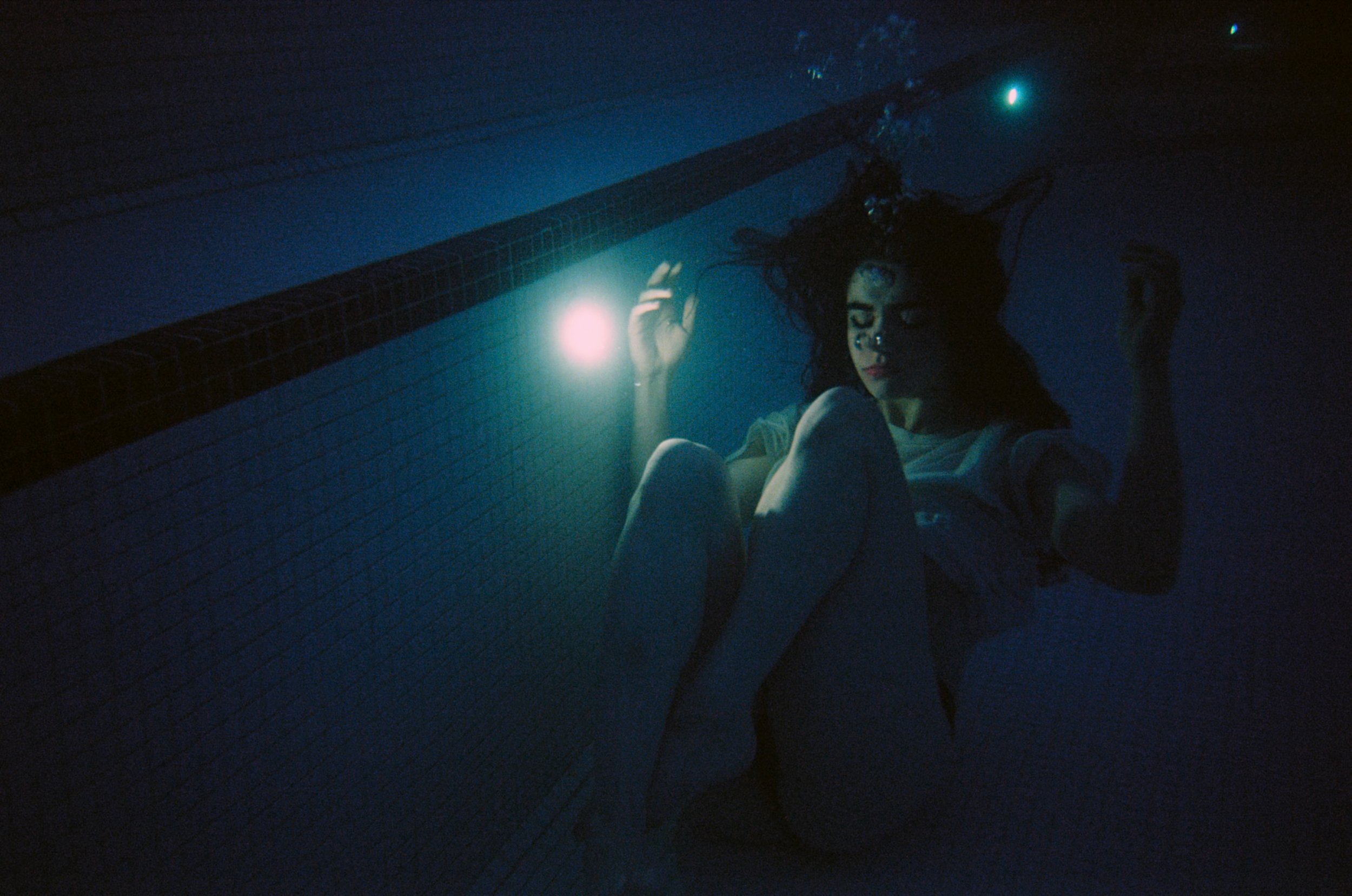
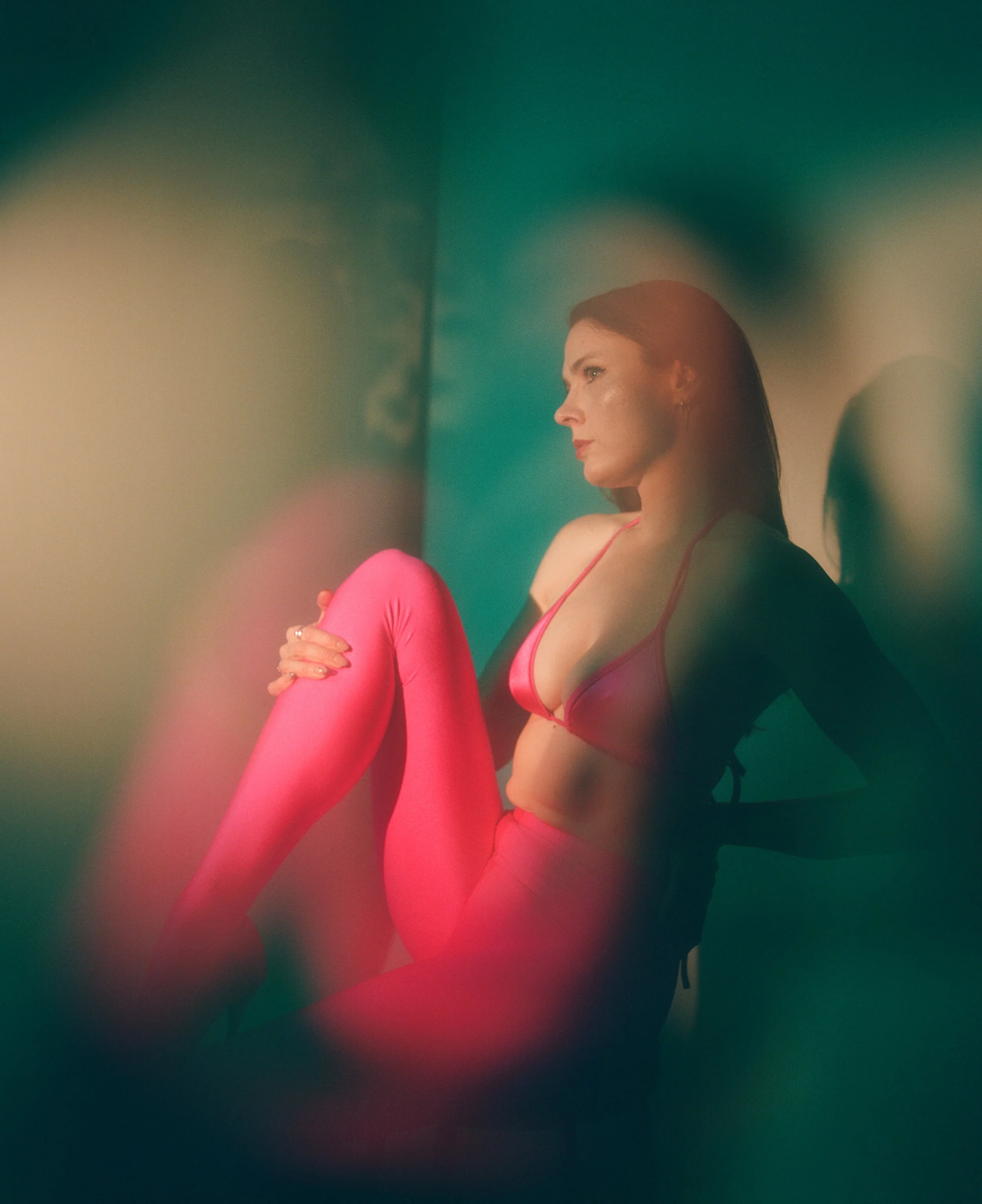
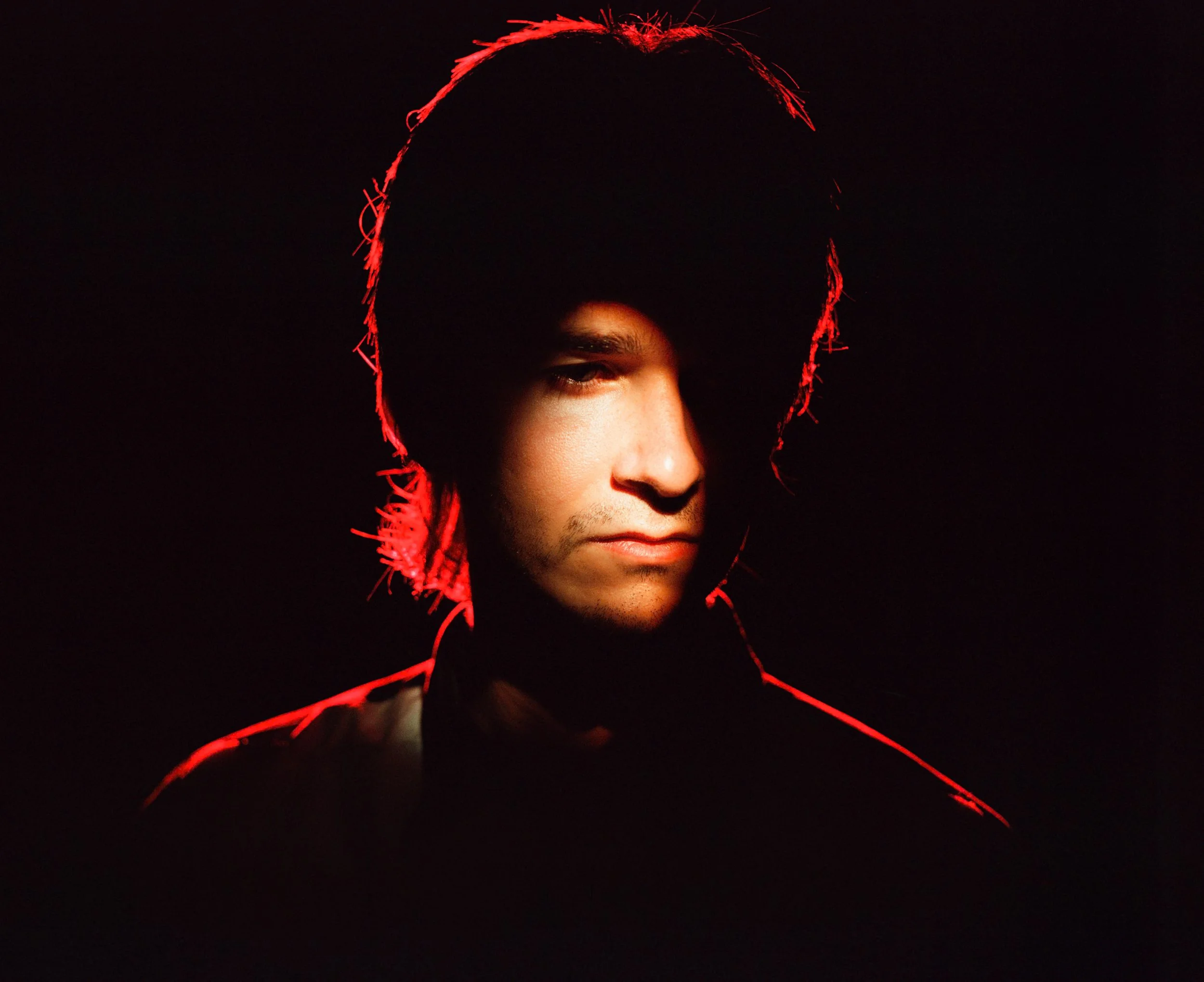
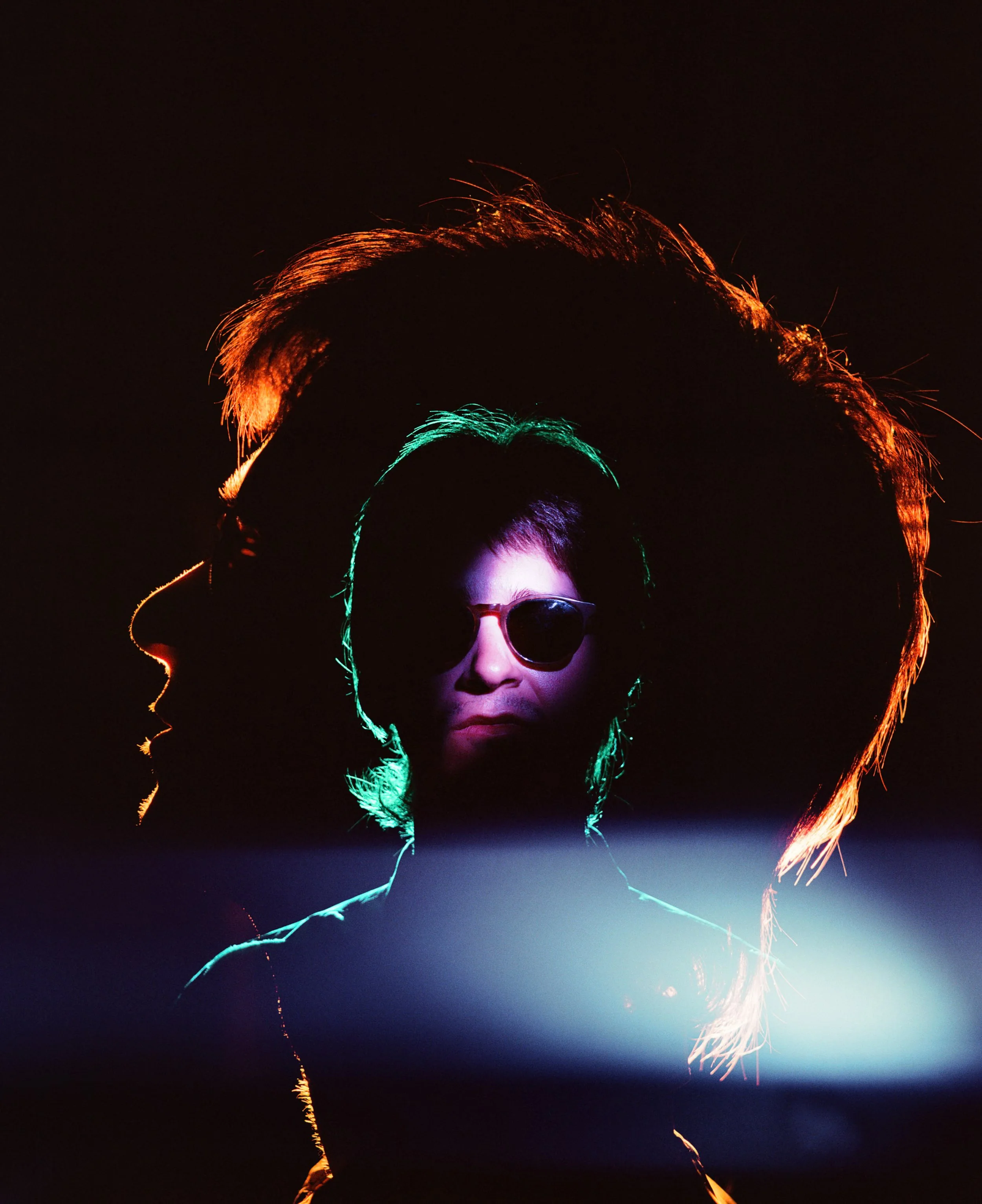
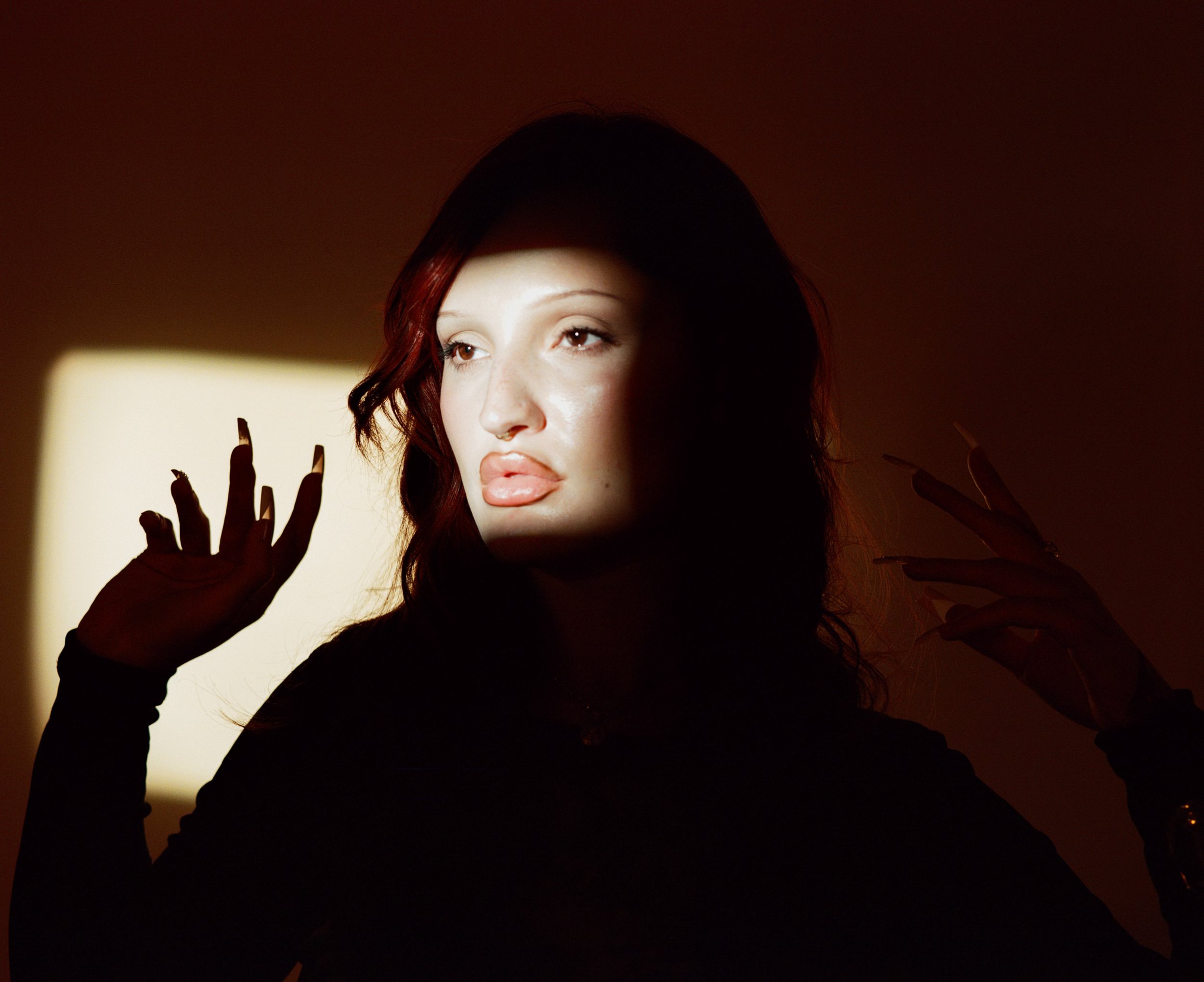
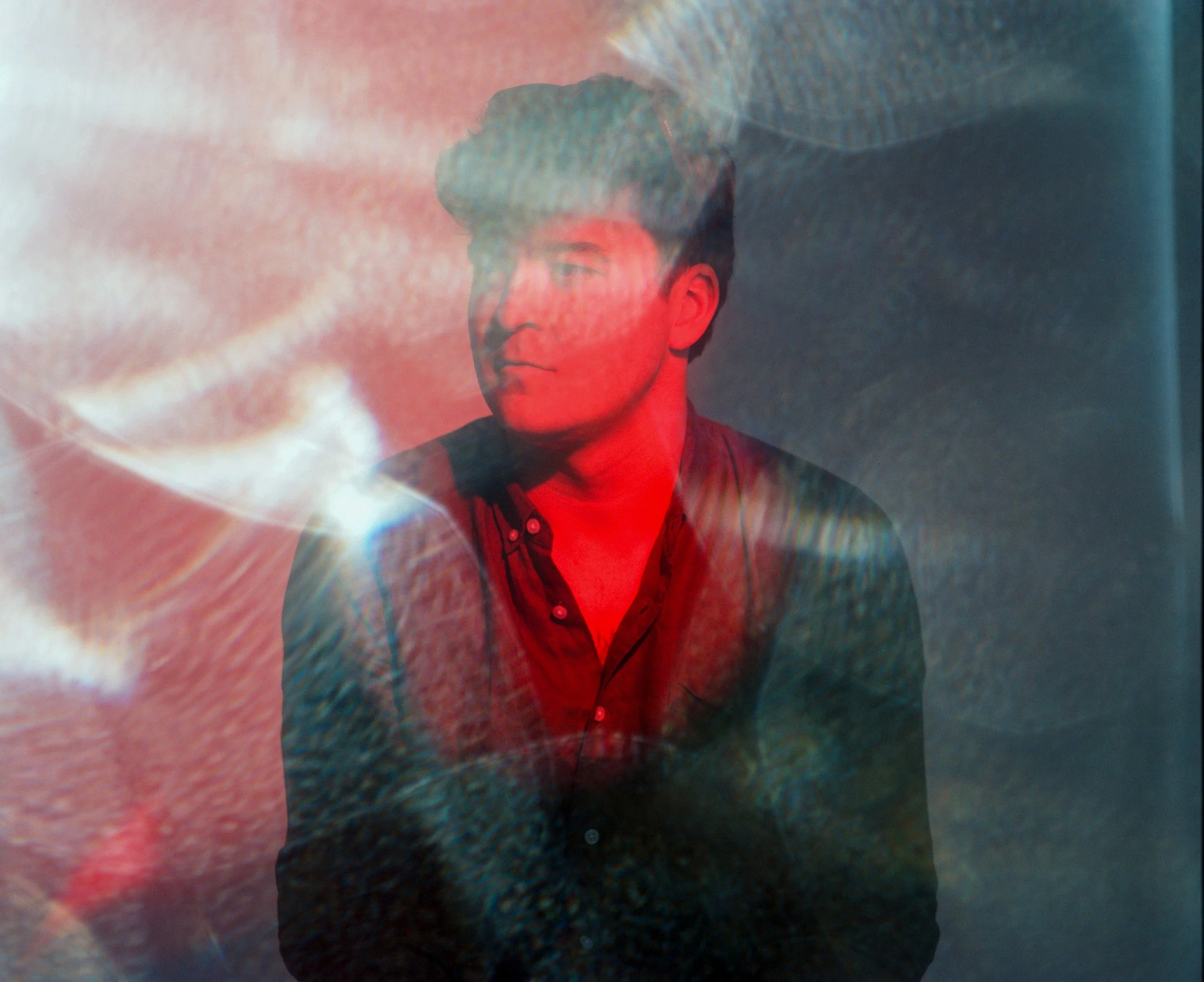
This is where I experiment with lighting, color, projection, reflections, haze, and in-camera effects to build something more intentional than a standard portrait. These shoots are collaborative and designed around creating a distinct visual world for the subject.